
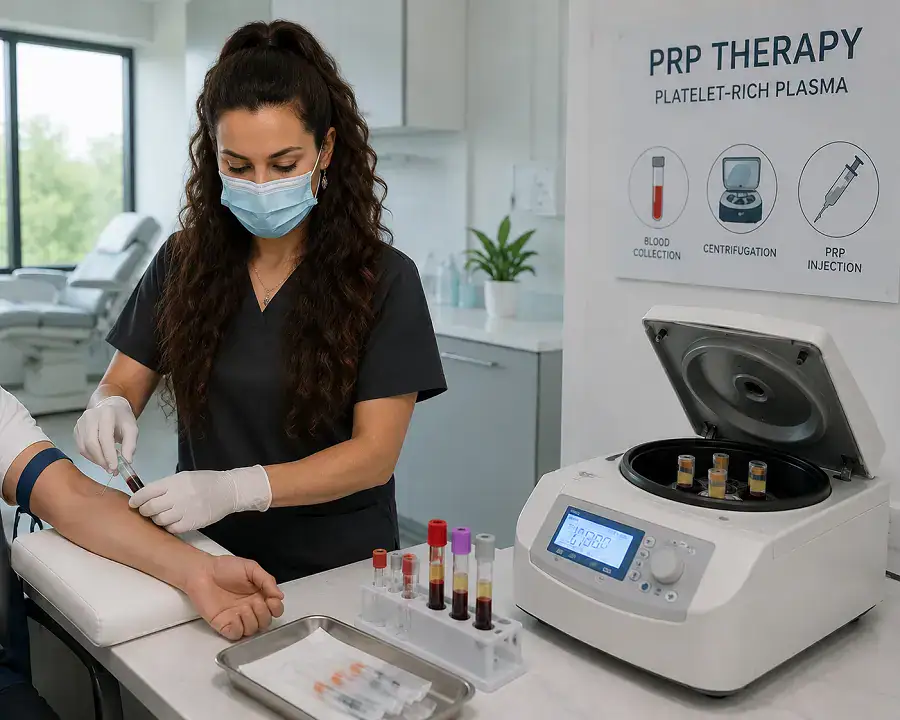
Discover the essentials of Platelet-Rich Plasma (PRP) therapy—a trusted, natural approach designed to enhance healing, restore function, and elevate your natural beauty with clinical precision. These highlights distill everything you need to know to make informed decisions about PRP, from benefits and eligibility to safety and cost.
Forouzan performs PRP hair treatment in Toronto and across the GTA from her Richmond Hill studio — see sessions, costs and what to expect.
- PRP therapy harnesses your own blood’s healing factors through a gentle process, concentrating platelets and growth factors for targeted, minimally invasive treatment.
- Evidence-backed for mild to moderate knee osteoarthritis and chronic tendon pain, PRP delivers meaningful pain relief and improved mobility for 3–12 months, helping many clients delay or avoid surgery.
- Cosmetic uses like hair restoration and facial rejuvenation are growing in demand, though they’re considered elective luxury treatments and not generally covered by insurance.
- Safety and hygiene are paramount—with complication rates under 0.1%, PRP offers an exceptionally safe, low-allergy profile when administered by trained professionals in sterile settings.
- Ideal candidates include adults with persistent joint or tendon pain who have tried standard treatments; strong exclusions are active cancer, current infections, or significant bleeding disorders.
- Costs typically range from $500–$1,500 per injection on a self-pay basis; insurance rarely covers PRP except for limited research indications, so financial planning is key.
- Luxury clinics like Forouz Beauty pair evidence-based protocols with personalized care—ensuring every treatment supports natural confidence, safety, and visible results uniquely tailored to you.
- The regulatory and research landscape is evolving fast; PRP remains “investigational,” but new studies show superior short-term relief in select conditions, driving rapid growth in trusted clinics.
Ready to explore PRP therapy and discover if it’s the right fit for your goals? Dive into the full article for expert insights, luxury care standards, and a stepwise guide to unlocking your timeless, natural glow.
Introduction
Imagine a therapy that gently uses your own blood to relieve chronic pain, renew thinning hair, or accelerate healing—all without harsh chemicals or surgery.
For clients across Richmond Hill, Toronto, and the GTA searching for visible results and authentic confidence, PRP (platelet-rich plasma) therapy is redefining what modern beauty and wellness care can be.
You may have heard buzzwords like “vampire facial” or seen headlines about PRP restoring movement and comfort in people sidelined by joint pain or long-term injuries.
But beneath the glamour and media attention is a refined, evidence-based treatment offering:
- Natural, minimally invasive relief for joint and tendon pain
- Restored hair density and healthier scalp appearance
- Accelerated recovery from persistent wounds or diminished senses
So why has PRP become the trusted choice for safety-focused clients and those wanting results that look and feel natural?
The answer is simple: PRP puts your body’s innate healing potential at the center—tailoring each treatment to you, with clinical rigor and a deep commitment to care, hygiene, and results.
At Forouz Beauty, you’ll experience calm, professional luxury in a space where every detail—from gentle technique to bright, serene atmosphere—reminds you that true beauty is timeless, personal, and grounded in trust.
In the next sections, we’ll reveal how PRP works, who truly benefits, and why this therapy could be your next step toward confidence, relief, and renewed radiance.
Step inside the science, safety, and artistry behind PRP—and see how modern regenerative care can beautifully align with your story.
What Is PRP Therapy? Foundations and Mechanisms
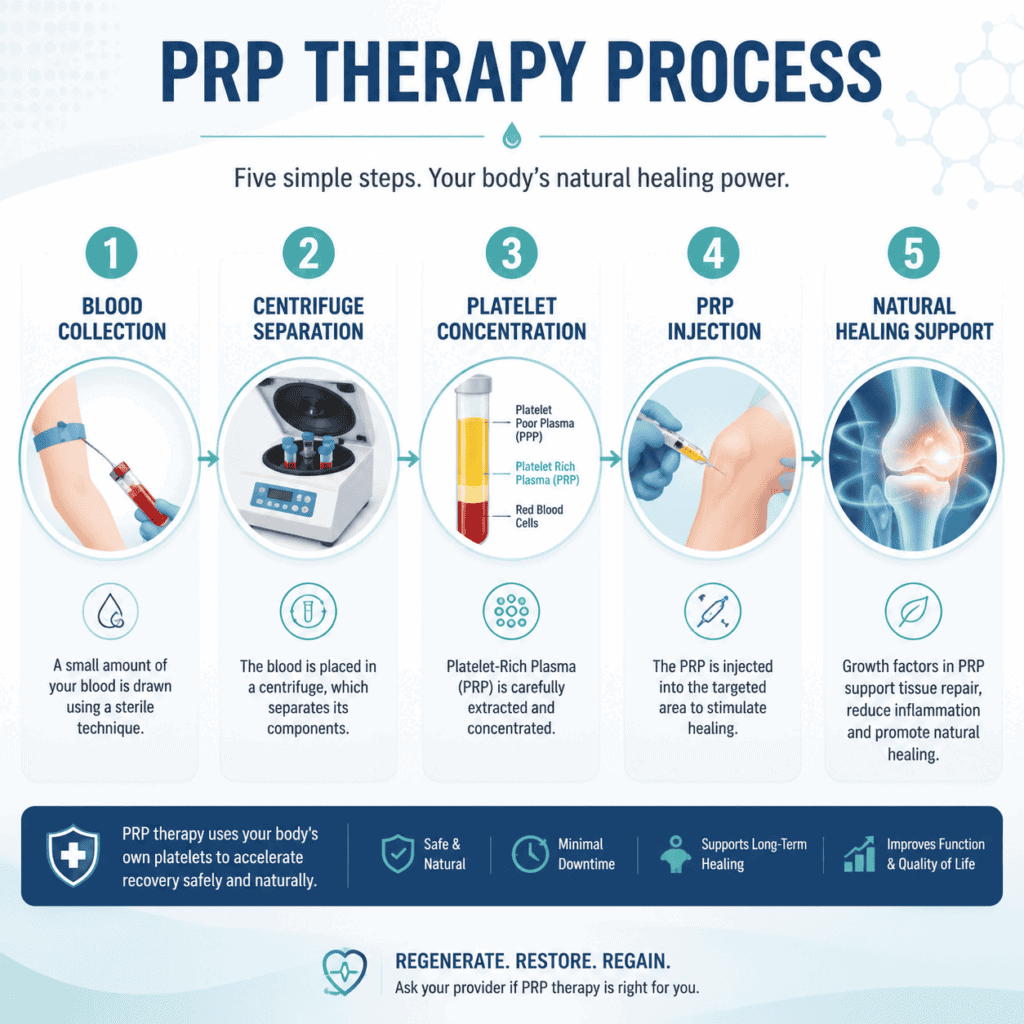
Platelet-rich plasma (PRP) therapy is a natural, minimally invasive treatment created from your own blood.
During the process, a small amount of blood is gently drawn and spun in a centrifuge—a clinical device that separates blood components by density.
The end product is PRP, a golden, concentrated plasma rich in healing factors.
Components of PRP: Nature’s Regeneration Elixir
PRP’s restorative power comes from a blend of three main elements, each with a unique role:
- Platelets: Specialized cells best known for blood clotting, but also potent in tissue repair.
- Growth factors: Bioactive proteins released by platelets that accelerate healing and signal tissue regeneration.
- Cytokines: Cellular messengers that coordinate the body’s repair response to injury.
Together, these factors promote cellular healing, reduce inflammation, and stimulate the body’s own regenerative capabilities.
The Clinical PRP Process: Precision Meets Care
The preparation and delivery of PRP follow meticulous protocols that reflect the highest standards of safety and professionalism.
Here’s how a typical PRP session unfolds:
- Blood draw: 10-30 ml is taken, similar to a routine lab test.
- Centrifugation: The blood is separated to concentrate the platelets—resulting in plasma with 3-6x baseline platelet levels.
- Injection: Prepared PRP is injected into the targeted area (joint, tendon, or skin) using sterile technique.
Safety protocols are paramount, including:
- Single-use sterile equipment to prevent infection.
- Personalized preparation to ensure the highest quality PRP.
- Licensed clinical staff with advanced training.
Medical vs Cosmetic Use: Focused on Lasting Results
PRP’s primary clinical purpose is to treat medical conditions such as knee osteoarthritis, tendon injuries, and wound healing—with expanding research in hair loss and post-viral anosmia.
Cosmetic applications, including facial “vampire” treatments and hair restoration for beauty enhancement, remain outside the definition of medical necessity.
Timeless Beauty, Tailored for You: At Forouz Beauty, PRP is offered as part of a commitment to care, excellence, and natural confidence.
For a deeper dive into the biologic science and evolving uses of PRP, explore our expert resource: What Is PRP? Platelet Rich Plasma Meaning & Uses.
A simple truth: PRP therapy draws on your body’s own potential for renewal, making it a safe, elegant choice for carefully selected clients seeking authentic, lasting benefits.
Core Purposes and Clinical Applications of PRP
Platelet-rich plasma (PRP) therapy is redefining non-surgical care across multiple medical and beauty settings.
This sophisticated, minimally invasive treatment leverages your body’s own healing properties, offering hope where standard care may have plateaued.
“Think of PRP as an individualized boost—tailored for your body’s natural recovery and radiance.”
Medically Recognized Uses
PRP is most commonly used in the following clinically supported conditions:
- Musculoskeletal pain and injuries:
- Knee osteoarthritis (OA) (especially mild to moderate)
- Tendinopathies such as tennis/golfer’s elbow, Achilles tendinitis, rotator cuff, and plantar fasciitis
- Chronic joint pain or ligament strains (e.g., sprained ankles)
- Chronic non-healing wounds:
- Diabetic, venous, and pressure ulcers (mainly in controlled research or specialty settings)
- Emerging and highly requested areas:
- Restoration of smell (anosmia)—including post-viral or post-trauma, with recent studies showing some patients were 12.5 times more likely to recover with PRP
- Hair loss solutions—from male pattern hair loss to supporting results after hair transplant procedures, fueling a growing demand in Toronto and the GTA
- Niche uses: select gynecologic/urologic applications and specialized ear/throat interventions, as supported by ongoing research
Medical vs. Cosmetic Purposes
It’s important to distinguish between PRP’s medically necessary role and its popularity in beauty enhancements:
- Medically necessary PRP is pursued for evidence-backed clinical needs—pain, movement, chronic wounds, and functional restoration
- Cosmetic PRP targets facial rejuvenation (vampire facials), pure hair thickening, or anti-aging, and is generally not covered by insurance or deemed essential in medical guidelines
“PRP bridges clinical science with luxury wellness—always centered on client safety, natural results, and integrity of care.”
PRP as an Alternative or Adjunct
When conventional treatments fail—whether it’s physiotherapy, medications, or steroid injections—PRP is often considered as:
- An adjunct therapy to enhance outcomes and possibly quicken recovery timelines
- An alternative where patients wish to delay or avoid surgery, especially in chronic or early joint conditions
“Many choose PRP for its synergy of efficacy and trust—minimizing downtime, maximizing personalized benefits.”
For a closer look at targeted treatments, explore PRP Hair Therapy: How It Works & Who Can Benefit.
PRP stands at the intersection of medical innovation and tailored beauty—empowering each client with options designed for visible improvement, confidence, and timeless natural glow.
Likely Benefits and Limitations: What PRP Can and Cannot Do
Understanding PRP Treatment Benefits helps patients know how Platelet Rich Plasma Therapy works, where it may support healing, and why results can vary depending on the condition, injury severity, and individual response.
Musculoskeletal Disorders: What PRP Delivers
PRP therapy is best recognized for improving pain and function in conditions like knee osteoarthritis (OA) and chronic tendon problems.
A 2025 meta-analysis covering 1,995 patients found PRP provided meaningful pain relief and increased mobility for 3–12 months in mild to moderate knee OA—especially when high-concentration PRP is used in a series of injections.
Picture this: Many clients feel the difference most at 3 and 6 months after treatment, regaining their ability to enjoy daily movement, with some experiencing lasting comfort into the 1-year mark.
PRP outperformed “gel” injections (hyaluronic acid) and matched or surpassed corticosteroids for pain and function improvement, according to recent randomized trials.
However:
- PRP does not rebuild cartilage or reverse advanced joint damage.
- Benefits often wane after 12 months, and data on multi-year results remains limited.
- “Not a cure, but a relief”—that’s the realistic promise.
Key takeaway:
If you have mild to moderate OA or persistent tendon pain, PRP may help you delay surgery and re-engage in activity—without structural regeneration.
—
Emerging Benefits Beyond Joints
The impact of PRP is extending to other areas, powered by early clinical studies and client interest.
- Hair growth: Multiple dermatology studies show thicker, denser hair—especially noticeable when PRP complements traditional therapies like minoxidil.
- Smell recovery: In a 2023 trial, PRP made clients 12.5x more likely to regain their sense of smell after post-viral anosmia.
- Chronic wounds: PRP supports healing in specific diabetic, pressure, and venous ulcers, though insurance coverage is mostly limited to research protocols.
Imagine the return of your natural hairline, the joy of restoring a lost sense, or finally seeing wounds improve after months of frustration.
Remember:
- PRP for these uses is still emerging—outcomes vary, and multiple treatments may be needed.
- The eligibility, safety, and cost landscape is unique for each condition and personal situation.
—
Setting Realistic Expectations
- PRP offers symptom relief, not miracle reversal: It is about restoring comfort and function, not making tissue “good as new.”
- Clients should be prepared for potential repeat sessions, with costs typically $500–$1,500 per injection.
- For deeper insights, explore “Is PRP Therapy Really Worth It? Evidence & Results 2026” for critical value comparisons.
Memorable takeaway:
“With PRP, the journey is about real results you can feel—better movement, renewed hope, and a chance to shine in your natural skin, not just a promise of the impossible.”
Safety and Risk Profile: What Clients Should Know
Platelet-rich plasma (PRP) therapy is valued for its exceptionally safe profile—it uses your own blood, which means minimal allergenicity and almost no systemic complications.
The procedure is minimally invasive, making it an attractive alternative for clients seeking to avoid steroids or other injectables with higher risk.
The most common side effects are modest and subside quickly.
What to Expect Right After PRP
Almost all clients experience temporary discomfort at the injection site, often described as a subtle ache or soreness.
You might also notice:
- Mild swelling or redness in the treated area
- A “flare” of pain or warmth for 1–3 days
- Minor bruising or pinpoint bleeding
Picture this: You leave the clinic with a brief sensation similar to mild muscle fatigue, which fades within days.
Quotable insight: “Recovery from PRP typically feels like a short-lived, deep post-workout ache—your body’s natural healing in action.”
Rare Complications and Clinical Safety Benchmarks
While significant reactions are rare, every client deserves transparency about potential risks.
Less common but important possibilities include:
- Infection at the injection site (<0.1%)
- Significant bleeding, especially for those on anticoagulants
- Tissue irritation or nodule formation (small, usually resolve)
Recent research (2025 retrospective study, 140 patients) shows that serious complications are rare and mild, supporting the luxury safety expectations of esteemed clinics.
Quotable moment: “With autologous PRP, your body is the treatment—drastically reducing unpredictability.”
Luxury Clinical Standards: Care and Hygiene
At Forouz Beauty, exceptional post-procedure hygiene and comfort are part of your care experience.
Key post-care essentials include:
- Use of medical-grade antiseptics to cleanse the injection site before and after
- Gentle instructions: protect the area from direct trauma or harsh chemicals for 24–48 hours
- Immediate access to expert follow-up if any signs of infection or persistent pain develop
Compared to traditional injectables (such as corticosteroids, which can cause cartilage toxicity or systemic hormone effects), PRP is consistently safer, with fewer reactions and no immunosuppression.
Picture this visual: Clean, soft lighting, a serene clinical space, your comfort at the center—luxury, trust, and medical excellence combined with every touchpoint.
Before your treatment, know these essentials: PRP’s risks are few, recovery is swift, and safety is maximized when the highest clinical standards are followed. Because timeless beauty should always begin with trust and peace of mind.
Eligibility: Who Is (and Is Not) a Candidate for PRP?
Ideal Medical Candidates
PRP therapy best serves clients who meet key criteria rooted in safety and outcome research.
Clinically, the most eligible are:
- Adults (typically 18+) with persistent pain from specific musculoskeletal conditions like knee osteoarthritis, chronic tendon injuries (tennis elbow, plantar fasciitis), or non-healing wounds.
- Those who have not improved after standard treatments—think physical therapy, medication, braces, or activity changes.
- Individuals hoping to delay surgery or extend the benefits of conservative care before considering more invasive procedures.
Example:
A 42-year-old with chronic Achilles tendon pain, who has completed several rounds of physical therapy and daily medications without relief, is a strong candidate for PRP. “PRP is typically considered when you’ve done everything else—except surgery.”
Key takeaway:
If you want more time before surgery or seek greater mobility after conservative measures, you may qualify for this tailored, advanced therapy.
—
Common Exclusions and Contraindications
Clear exclusion criteria help keep PRP therapy safe and effective.
The most common reasons clients are not eligible include:
- Active cancer or recent cancer treatments
- Current infection at the injection site or throughout the body
- Platelet or bleeding disorders
- Recent anticoagulant use
- Dialysis-dependent kidney failure
Situational exclusions may apply, such as:
- Dermatologic disease or infection where PRP would be injected (for example, on the scalp in hair loss treatment)
Quotable insight:
“PRP should always be guided by an expert diagnosis—your health status shapes your eligibility as much as the problem you want to treat.”
These criteria are designed to ensure each client receives luxury care without compromise on safety.
PRP Therapy continues to be studied for different orthopedic and soft tissue conditions. Reliable medical resources provide updated information about research and treatment applications.
Personalized Care Considerations
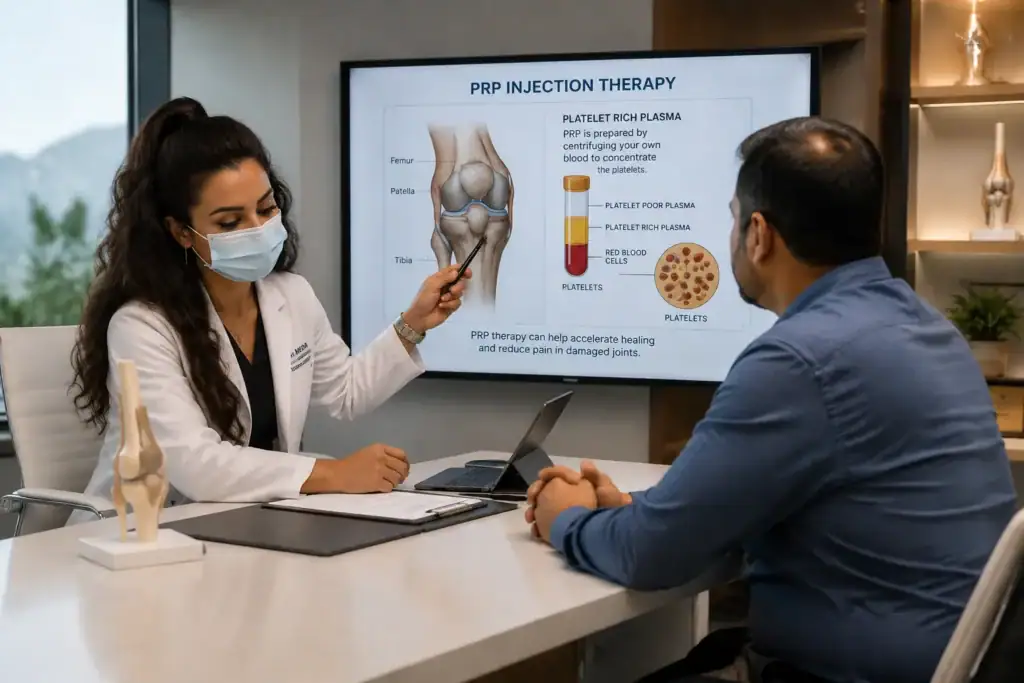
Eligibility at Forouz Beauty means more than just ticking boxes—it’s about personalized assessment and client-centered decision-making.
Our process includes:
- Comprehensive clinical evaluation to align with rigorous safety and integrity standards
- Collaborative, 1-on-1 conversations to understand your unique history, expectations, and beauty goals
- Adapting each recommendation, so your journey to “elevate your natural glow” is uniquely yours
Visual scenario:
Picture a serene consultation: bright, minimal aesthetic, skin glowing, the scene poised between clinical precision and personal comfort.
For those seeking deeper insight, see our sub-page:
Who Is Eligible for PRP Therapy? Candidacy Criteria 2026
—
PRP eligibility is about matching your health and goals with proven, safe therapy—anchored by trust, expertise, and a commitment to your natural confidence. For ideal candidates, it’s a chance to restore comfort and movement while staying true to who you are.
Cost, Coverage, and the Scope of “Medical Necessity”
Navigating the costs and coverage of PRP therapy starts with one key fact: most PRP treatments are self-pay.
In 2026, the average cost per PRP injection ranges from $500–$1,500, with most clinics recommending a treatment series of 2–3 sessions for optimal results.
Current Insurance & Payment Trends
Insurance coverage is limited.
- Medicare: PRP is generally not covered for routine clinical use; only some chronic wounds in tightly controlled research settings qualify.
- Commercial insurance: Most Canadian and U.S. insurers label PRP as “experimental” or “investigational,” so therapy for joint pain, tendinopathies, or hair loss is not routinely included.
- Recent policy changes: Some plans began exploring coverage for specific chronic injuries, but these approvals are rare and require special documentation.
Nearly all cosmetic PRP—from facial rejuvenation to hair restoration for aesthetic reasons—remains excluded by both public and private insurers.
What to Expect Financially
Here’s what clients typically pay:
- Single PRP injection: $500–$1,500
- Full treatment series: $1,000–$4,500 (2–3 sessions)
- Self-pay basis: Payment is typically due in full at the time of treatment.
HSA/FSA eligibility applies only if the treatment is for a documented medical condition (for example, chronic joint pain or tendon injury).
For U.S. clients, this usually means:
- Letter of Medical Necessity from a healthcare provider
- Appropriate diagnosis code listed on your invoice
- Discuss these requirements with your clinic in advance to support HSA/FSA use
A memorable line for social:
“PRP for health is a medical investment; for beauty, it’s elective luxury.”
Differences: Medical vs. Cosmetic PRP
- Medical PRP (e.g., for knee osteoarthritis, tendon disease): Sometimes HSA/FSA eligible, rarely insured, prioritized for persistent symptoms.
- Cosmetic PRP (facials, hair density without hair loss diagnosis): Not covered, considered elective, priced similarly or slightly higher.
Always ask your provider for a detailed, written breakdown of all costs—this builds transparency and trust.
Planning & Payment Conversations
When discussing payment and coverage:
- Bring a list of your prior treatments and diagnoses
- Ask about package pricing if multiple sessions are recommended
- Request itemized documentation for insurance or tax-advantaged accounts
- Picture this: You arrive in a serene, private clinic space, welcomed with calm assurance that there are no surprise fees—just clarity and individualized care
Remember:
“The right plan fits your needs and your budget—without compromising your safety or glow.”
As you consider PRP therapy, clear cost expectations and transparent payment options create the foundation for a confident, empowered journey—always guided by trust, quality, and tailored beauty care.
Regulatory Landscape and Guideline Updates (2025–26)
Platelet-rich plasma (PRP) therapy currently holds an “investigational” FDA designation in North America, meaning the treatment itself isn’t officially approved for most uses, but the devices that prepare PRP are FDA-cleared for clinic use.
Clinics—including Forouz Beauty—work within this landscape by:
- Using autologous PRP devices cleared under medical device regulations
- Administering PRP on a physician “off-label” basis where clinical reasoning and patient need align
Picture this: your blood, separated and enriched using a state-of-the-art centrifuge, then gently re-injected—delivering a tailored, advanced therapy while meeting rigorous safety, sterility, and documentation standards.
Guideline Standpoints by Major Societies
When it comes to orthopedics and rheumatology, global society guidelines set the tone for PRP’s clinical acceptance.
Recent positions (2025–26) include:
- Osteoarthritis Research Society International (OARSI): Recommends against PRP for routine hip/knee OA due to limited, variable evidence
- American College of Rheumatology (ACR): Advises caution, citing low-certainty results
- American Academy of Orthopaedic Surgeons (AAOS): Endorses PRP in select, limited scenarios where other options have failed
Despite emerging 2025 meta-analyses showing measurable, sometimes “superior” benefit for pain/function in mild–moderate knee OA, official endorsements remain conservative as real-world outcomes and formulations differ significantly.
“Most insurers do not cover PRP because it’s investigative,” but these positions may shift as robust new studies continue to shape the field.
Evolving Trends and Forouz Beauty’s Standards
What’s trending? Experts across North America are noting:
- Increased demand for high-quality PRP protocols
- More clinics investing in transparent, luxury clinical safety processes
- A pivot toward patient-tailored, evidence-driven treatments as research matures
At Forouz Beauty, our promise is:
- Luxury clinical care anchored in integrity, hygiene, and patient well-being
- Treatments designed with the latest research, always placing safety and trust first
- Professional guidance through every regulatory and clinical nuance, so your experience is both advanced and serene
You’ll see our commitment reflected in every step—from personalized assessment to precise, hygienic technique—delivering confidence that’s both natural and timeless.
Key takeaway:
While the regulatory status of PRP is still evolving, Forouz Beauty combines evidence-based protocols, luxury safety standards, and transparent communication—so you can elevate your natural glow with confidence and peace of mind.
Insights from the Latest Research: Trends and Controversies
Recent PRP research delivers both remarkable promise and ongoing controversy for clients seeking clear answers in 2026.
Across musculoskeletal conditions, the breakthrough is clear:
- In a 2025 meta-analysis covering 18 RCTs and 1,995 patients, PRP showed superior pain and function improvement in mild–moderate knee osteoarthritis, sustaining benefits up to 12 months with high-platelet concentration preparations.
- Multiple large reviews now report PRP as equivalent-to-superior to corticosteroid or hyaluronic acid injections—and with fewer risks.
For those wanting practical insights:
- “PRP delivers meaningful relief and mobility for many, but it is not a cure or a promise of joint regeneration.”
- The typical benefit window is 3–12 months for most clients, dispelling myths about permanent results or cartilage regrowth.
Ongoing Debates: Variability and Predicting Success
Not all PRP is created equal—this single truth fuels much of the controversy.
- Differences in centrifuge speed, platelet counts, activation methods, and injection schedules create wide outcome variability in published trials.
- Even top 2026 reviews highlight the challenge: some RCTs, like the 2021 JAMA trial, find little or no long-term advantage for knee OA, while others spot robust short-term gains.
Key questions remain:
- “Who truly benefits most from PRP—and why?”
- The search for predictive factors (like age, joint severity, or specific blood markers) is a major focus of ongoing studies.
Expanding Horizons: New Indications and Clinical Growth
Picture this: PRP now moves from sports medicine to surprising spaces.
- Early clinical studies show PRP accelerating hair density and recovery for hair transplant clients—and for some, an innovative role in reviving lost smell after COVID-19 or trauma, where one 2023 trial reported patients were 12.5 times more likely to improve with PRP than without.
- Chronic wound care remains research-focused, but success stories emerge in carefully selected, chronic cases.
Forouz Beauty’s approach is simple:
- Rigorous protocols
- Evidence-led recommendations
- Continuous evaluation of scientific developments
This means every client benefits from luxury standards and the latest authoritative advances—never guesswork.
In 2026, PRP’s greatest value lies in its ability to relieve, restore, and individualize care, while honest conversations about expectations, latest data, and your unique goals remain front and center. Expect evolving practices, transparent insights, and a partnership that prioritizes your safety and results.
Deciding if PRP Therapy Is Right for You
Picture this: You want to move freely, enjoy daily activities, and take control of your well-being, but chronic pain or hair loss is holding you back. PRP therapy offers a path to relief and renewed confidence—without invasive surgery or lengthy downtime.
The decision to pursue Platelet-Rich Plasma therapy should always start with clarity and intent. Ask yourself:
- Are you seeking pain relief, improved function, or just hoping for a complete cure?
- Is your primary goal to delay surgery, maintain an active life, or address cosmetic concerns like hair thinning?
Stepwise Guide for Prospective Clients
Begin by setting realistic goals based on your unique situation.
- PRP can be especially helpful for mild–moderate knee osteoarthritis or chronic tendon issues where standard treatments have not provided enough relief.
- Recent studies show meaningful pain reduction for up to 12 months in these cases, though it does not rebuild cartilage.
Next, consult with the right specialist:
- Review your prior treatments—for instance, physical therapy and medication.
- Discuss the specific PRP protocol (platelet concentration, number of injections), as techniques and results may vary widely.
- Evaluate your medical history against exclusion criteria: active cancer, infection, uncontrolled bleeding, or severe kidney failure typically preclude PRP.
Navigating Cost, Coverage, and Research Opportunities
Understanding the financial landscape is essential:
- Expect $500–$1,500 per injection; most insurance plans do not cover PRP unless you join a clinical study.
- You may be able to use HSA/FSA funds for medically indicated PRP with the right documentation.
- For clients open to innovation, participating in a clinical trial may offer access to advanced protocols and closer follow-up.
Personalized Care and Open Dialogue
At Forouz Beauty, you’re invited to share your concerns, lifestyle, and aspirations openly.
- We prioritize trust, safety, and natural enhancement, tailored to your individual needs.
- Clients say, “I finally felt heard—my treatment plan truly reflected my goals,” and “The experience felt professional yet deeply personal.”
A thorough consultation, clear financial planning, and alignment with your own aspirations are essential first steps.
Exploring PRP therapy is about more than a single treatment—it’s about elevating your natural glow and moving forward with calm confidence, no matter where you are on your beauty and wellness journey.
If you are considering a personalized approach, exploring professional PRP Treatment options with a qualified provider can help determine whether this regenerative solution fits your condition.
Conclusion
Choosing PRP therapy isn’t just a clinical decision—it’s an investment in comfort, confidence, and natural radiance, tailored to your needs by expert hands.
You deserve care that values safety, integrity, and result-driven professionalism. PRP puts your own body’s healing power to work, unlocking a path to movement, relief, and authentic beauty—all within a serene, luxury clinic experience grounded in trust.
—
- Set purposeful goals: Decide if your primary aim is to restore mobility, enhance hair growth, or elevate your natural glow—be clear about your priorities.
- Engage in a thorough consultation: Discuss your medical history and concerns with a licensed specialist to determine personalized eligibility and optimal PRP protocol.
- Request full transparency: Ask for itemized cost breakdowns, and clarify insurance or HSA/FSA opportunities to keep your journey both confident and informed.
- Commit to post-procedure care: Follow expert aftercare guidelines to maximize comfort, safety, and visible outcomes.
—
Start your journey today:
- Reflect on the results you envision—relief from chronic pain, renewed hair, or simply a new sense of confidence in your skin.
- Book a personalized consultation at a reputable clinic that shares your values of quality, care, and continuous growth.
- Share your aspirations and questions openly—luxury care thrives on empowered, informed clients.
—
You are not limited by past setbacks or temporary frustration. With PRP therapy, you step into a future shaped by possibility—a chance to elevate your natural glow and move through life with calm confidence.
“Your beauty is timeless. Let every treatment be a reflection of your trust, your story, and your power to shine—naturally.”
FAQs
1. What is PRP Therapy?
PRP Therapy is a regenerative treatment that uses a concentrated portion of your own blood platelets to support the body’s natural healing process. PRP injections are commonly used for tendon injuries, joint pain, and soft tissue problems.
2. What are the benefits of PRP Treatment?
The main PRP Treatment Benefits include supporting tissue repair, reducing inflammation, improving recovery, and offering a non-surgical option for certain injuries. Results depend on the condition being treated and individual health factors.
3. Who is a good candidate for PRP Therapy?
PRP Therapy Candidates often include people with chronic tendon problems, mild-to-moderate joint issues, sports injuries, or those looking for regenerative medicine options before considering surgery.
4. How long does PRP Therapy take to work?
PRP Therapy recovery and results vary. Some patients notice improvement within several weeks, while others may need multiple treatments before experiencing noticeable benefits.
5. Are PRP injections safe?
PRP Injection Therapy uses the patient’s own blood components, which may reduce the risk of allergic reactions. A qualified healthcare provider should evaluate whether PRP is suitable for your situation.