
How Much Do Eyelash Extensions Cost in Richmond Hill?
A complete guide to eyelash extension pricing in Richmond Hill — full sets, fills, lash styles (classic, hybrid, volume, mega volume), what drives the cost, and how to choose the right studio. From Forouz Beauty, Richmond Hill’s trusted lash studio with 15+ years of experience.

Filler Injection Price in Richmond Hill: Costs, Brands, and Options 2026
Compare 2026 filler injection costs by brand (Juvederm, Restylane, Sculptra) and treatment area. Understand the 5 factors that drive pricing and how to find the right provider in Richmond Hill and the GTA.
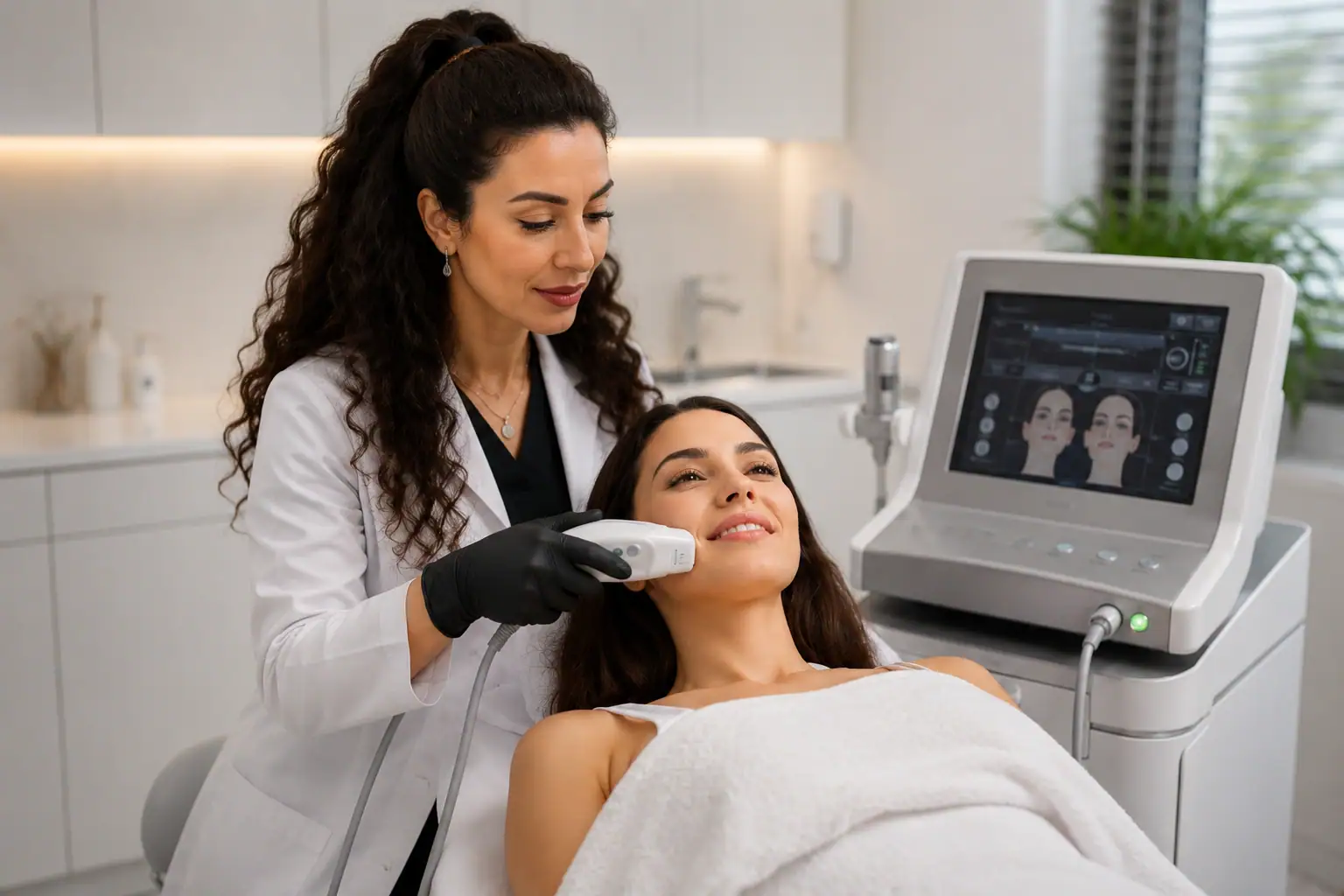
HIFU treatment costs in 2026
HIFU treatment costs in 2026
Navigating HIFU treatment costs in 2026 means understanding how technology, provider expertise, and clinic standards shape your investment in both appearance and peace of mind. The right provider delivers more than a price—they offer personalized care, expert safety protocols, and confidence‑inspiring results. Here are the essential insights to guide your HIFU journey:
- Pricing varies by treatment type: Cosmetic HIFU in Toronto and the GTA ranges from $400–$2,500+ per session, while medical HIFU packages for oncology or fibroids typically fall between $16,000 and $42,000 in North America.
- Premium device brands command higher fees: Clinics using top-of-the-line systems like Ultherapy or Ultraformer MPT deliver enhanced safety and visible results, often pricing sessions at the upper end of local ranges.
- Clinic reputation and expertise matter: Board-certified specialists and luxury clinics may charge 2–3× more than smaller facilities, but provide elevated safety, genuine client care, and transparent aftercare.
- Location drives cost differences: Cosmetic HIFU is less expensive internationally—starting at $250 in some markets—but urban GTA clinics cluster around $400–$1,200 with premium experiences priced higher.
- Personalized packages and ongoing care add value: Multi-session bundles and tailored follow-up plans can save you 10–25%, while ensuring natural, lasting results.
- At-home HIFU offers affordability, but less precision: Consumer devices cost $200–$1,500 upfront, but lack the depth and safety oversight of clinical treatments, making them best for maintenance, not transformation.
- Ask for detailed quotes and itemized services: For medical HIFU, clarify what’s included—imaging, anesthesia, and aftercare—to avoid surprises and ensure coverage.
Making your decision with care means seeking trusted providers, transparent pricing, and artistry that uplifts your natural beauty. Dive deeper into the guide to elevate your confidence and choose the HIFU journey that’s truly tailored for you.
Introduction
Imagine stepping into a serene, softly lit clinic with the promise of youthful lift—only to wonder why the price of your HIFU session feels worlds apart from what you saw online.
HIFU treatments in 2026 can range from $400 to $40,000—sometimes even more.
What determines this dramatic difference? It’s not just about the technology or location—it’s about trust, expertise, and the level of care woven into every detail of your experience.
You deserve more than “one-size-fits-all” answers when it comes to your beauty or healthcare investment.
If you’re considering HIFU in Richmond Hill, Toronto, or anywhere across the GTA, understanding what truly shapes pricing puts you in control—helping you balance safety, visible results, and the confidence that comes with choosing the right provider.
Here’s what you can expect to gain from this practical, high-integrity guide:
- Clarity: A transparent look at real pricing—from luxury clinics to at-home devices, and from subtle aesthetic lifts to advanced hospital care
- Confidence: The knowledge to identify what justifies premium rates and which factors to prioritize for your safety, outcome, and peace of mind
- Empowerment: Actionable, up-to-date figures and insights for both cosmetic and medical HIFU across every tier of the market
2026 will see even more choices, expanding treatments, and new standards in client care—making it vital to know what truly drives cost.
Your natural beauty and well-being are unique, and so is your HIFU journey. By understanding the cost landscape, you ensure every dollar spent supports visible, lasting results—and a feeling of confidence that endures long beyond the appointment.
Ready to explore what shapes your investment—and how the right clinic sets itself apart?
Let’s reveal the essentials behind HIFU treatment pricing so you can make every decision with assurance and ease.
Understanding HIFU Treatment Costs: The Big Picture
When it comes to HIFU (High-Intensity Focused Ultrasound) treatment costs, one price tag rarely fits all.
Your investment—whether for a subtle skin lift or a targeted medical procedure—depends on unique factors that reflect both the sophistication of the technology and the expertise of your provider.
What Shapes HIFU Cost in 2026?
Several key elements come together to shape HIFU pricing.
- Device technology: Premium systems like Ultherapy or Ultraformer often cost clinics $60,000–$100,000+, contributing to higher per-session rates.
- Application area: Facial sculpting, neck tightening, or full-body contouring each demand different levels of time and energy.
- Practitioner expertise: Board-certified specialists and clinics known for quality & excellence command higher fees for their experience, safety protocols, and client care.
- Clinical setting: Hospital-based medical HIFU (for oncology, fibroids, etc.) includes imaging, anesthesia, and follow-up care, often resulting in $10,000–$40,000 per procedure in North America.
Picture this: In Toronto, a tailored face + neck HIFU lift at a leading clinic will likely feel different than a quick session at a medspa in a smaller town—not just in outcome, but in price, comfort, and aftercare.
Cosmetic vs. Medical HIFU: Knowing the Difference
Understanding the distinction between cosmetic and medical HIFU helps clarify what you’re really paying for:
- Cosmetic/Aesthetic HIFU:
- Designed to lift, tighten, and rejuvenate the skin—popular for face, neck, and select body areas.
- Typical cost: $400–$2,500 per session in Canada and the U.S., with premium clinics, enhanced protocols, and personalized service creating higher value.
- Medical HIFU:
- Used for treating tumors, prostate conditions, and fibroids—complex procedures in advanced clinical settings.
- Typical cost: $16,000–$42,000 per hospital package in high-income regions.
Professional Care: The Value Behind the Price
What sets a luxury clinic in the Greater Toronto Area apart isn’t just the number on your invoice—it’s how you feel throughout your journey.
A trusted clinic prioritizes these essentials:
- Safety, hygiene, and advanced protocols—your results, comfort, and peace of mind matter.
- Personalized consultation, ongoing follow-up, and transparent care.
- Subtle, natural-looking results that enhance your confidence—not just now, but for months to come.
“Investing in HIFU isn’t just about price—it’s about the confidence and results that last beyond the appointment.“
For those seeking HIFU in Richmond Hill, Toronto, or the GTA, expect a spectrum of costs—and a range of experiences—but always seek providers who share your standards for excellence, professionalism, and trusted care.
The bottom line: Understanding what shapes HIFU pricing empowers you to choose the right clinic and the right results—every step of the way.
Current Cost Ranges for HIFU in 2026
HIFU treatment costs in 2026 vary depending on the treatment area, provider expertise, and device technology, making it important to compare HIFU treatment price options before choosing a clinic.
Cosmetic / Aesthetic HIFU (Face, Neck, Body)
HIFU treatments for face, neck, and body in 2026 fall into well-defined price bands, making it easier than ever to predict your investment.
- Single-session pricing:
- Full face: $400–$1,200 in most clinics across Toronto, the GTA, and large US cities.
- Face + neck: $600–$1,800 typical price, with premium systems like Ultherapy or Ultraformer MPT ranging from $1,500–$2,500+ per session.
- Premium/flagship clinics: Sessions can exceed $2,000–$4,000, especially in metropolitan areas.
- Body contouring:
- Ranges from $600–$2,000+ per area, reflecting both the energy required and clinic positioning.
- Package pricing:
- Expect special rates for face + neck, consultation, and follow-up, reducing per-session costs for committed clients.
In major centers like Toronto, clinics offer a range of budgets and luxury experiences:
- Urban clinics typically cluster around $400–$1,200.
- High-end, brand-focused practices deliver elevated care—and elevated pricing.
- Lower-cost international markets, such as Lima, Peru, start around $250 for similar technology, emphasizing the role of region.
At-home HIFU devices are available for
- $200–$1,500, billed as convenient and affordable over many uses.
- The trade-off: less precision and lower intensity compared to clinical treatments, making them best for maintenance—not transformation.
Medical HIFU (Oncology and Non-aesthetic Indications)
Hospital-based medical HIFU costs considerably more, reflecting the complexity and expertise required.
- North America/Europe
- Comprehensive prostate or tumor HIFU packages generally range $16,000–$42,000 per procedure.
- Memorial Sloan Kettering’s prices start at $18,300–$21,000, with averages in Canada and the US sitting around $28,000–$35,000.
- Asia-Pacific
- More accessible, with typical costs $10,000–$20,000 as local hospital overhead and subsidies lower prices.
- What’s included:
- Fee usually covers imaging (MRI or ultrasound), anesthesia, surgical suite, and follow-up care.
- Some add-on costs may apply, so always confirm what’s bundled.
- Insurance coverage:
- Medical HIFU is often not fully covered, making out-of-pocket payments common.
- Cosmetic HIFU is almost exclusively self-pay.
Key Takeaways for 2026
Picture this: You’re considering HIFU in the GTA—expect session prices anywhere from $400 to $2,500+ depending on your treatment area and choice of clinic.
Medical HIFU remains a major investment, with packages frequently between $16,000 and $42,000 in North America.
When it comes to your confidence and peace of mind, choosing a trusted provider remains the most important investment of all—whether you’re seeking youthful lift or medical care.
Ideal for social or video:
“Cosmetic HIFU in Toronto? Budget for $400–$1,200 per session, or treat yourself to premium for $2,000+. Medical HIFU? Prepare for $20,000 and up—expertise counts.”
A calm, informed approach ensures that, in 2026, HIFU pricing truly reflects both the science and the artistry of your care.
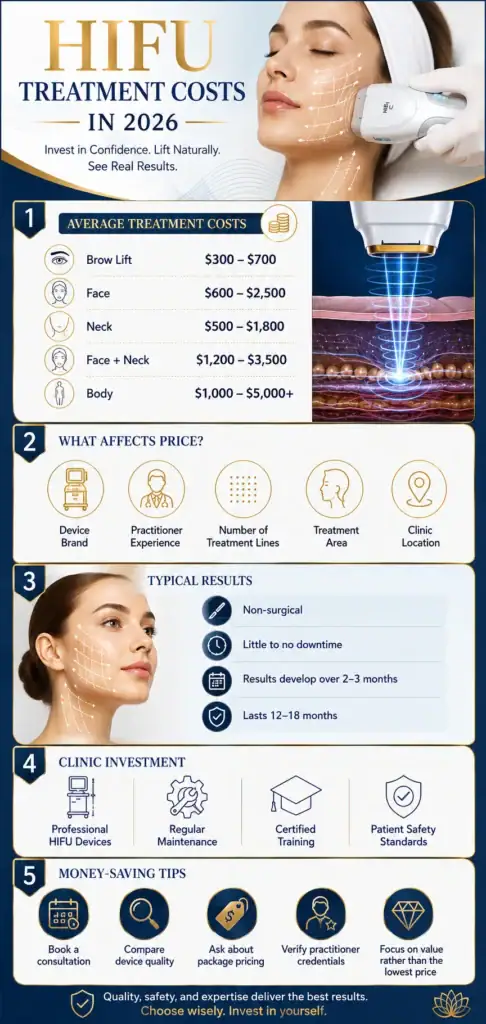
HIFU Device and System Pricing: Clinic Economics
Understanding HIFU treatment costs in 2026 also means looking at the investment clinics make in professional devices, as premium systems significantly influence the overall HIFU treatment price offered to patients.
Professional Cosmetic HIFU Systems (Medspa/Clinic)
Modern HIFU platforms represent a true investment in client results and clinic reputation.
Entry-level systems for facial and neck rejuvenation start at $5,000–$15,000 per unit, typically found in smaller medspas or start-ups.
Mid-range devices within the $20,000–$50,000 bracket deliver higher energy, consistent results, and brand credibility.
Premium systems like Ultherapy or Ultraformer command device prices of $80,000–$100,000+, sought after by luxury clinics prioritizing safety and visible change.
Consumable costs—primarily cartridges—add another layer:
- Each cartridge, priced at $50–$150, delivers 3,000–20,000 ultrasound shots.
- A single full-face procedure typically uses 500–800 shots, meaning 4–25 treatments per cartridge.
- Maintenance for busy clinics usually runs $3,000–$8,000 per year.
“For flagship medspas, signature HIFU treatments with trusted systems justify their premium through safety, expertise, and client satisfaction.”
The result? A high clinical margin, allowing most clinics to recoup device investments in 3–6 months at sufficient volume.
Medical HIFU Equipment (Hospital/Outpatient)
Medical-grade HIFU devices require much steeper costs due to imaging and integration:
- MRI-guided systems: $400,000–$500,000+ per unit
- Ultrasound-guided platforms: $150,000–$300,000
Ongoing expenses include strict facility standards, technical staff, and annual maintenance.
- Imaging integration and anesthesia drive up treatment price.
- Consumable elements still apply, but hospital-level quality assurance adds further costs.
Barriers to entry remain high, limiting hospital access yet ensuring that patient care and clinical hygiene always come first.
“Picture this: a leading cancer center investing half a million dollars in HIFU to maximize patient safety and precision—that’s the true value behind the price tag.”
At-home & Consumer HIFU Devices: Value Analysis
The market for at-home HIFU devices is growing, offering units from $200–$1,500.
- Each unit provides unlimited sessions at a single upfront price, resulting in cost-per-use far below clinic visits.
- However, treatment quality, depth precision, and safety oversight are lower at home.
Choosing an at-home device means trading in-depth customization for affordability, with professional clinics providing care, client safety, and verified outcomes as part of the investment.
When comparing HIFU treatment costs, remember: the brand of device, the skill of your provider, and the standard of safety in the clinic or hospital setting directly shape patient pricing—and peace of mind. Whether you seek the luxury of a premium medspa or the certainty of hospital care, every layer of investment is measured in client trust and long-term value.
Trends in HIFU Pricing Through 2026
As demand for non-surgical skin tightening continues to rise, HIFU treatment costs in 2026 are being shaped by growing competition, new technologies, and changing HIFU treatment price trends worldwide.
Market Growth & Price Evolution
HIFU procedures are growing rapidly worldwide, with the global therapeutic HIFU market set to reach nearly $229 million by 2033 and a projected 7.4% CAGR for 2026–2033.
Cosmetic HIFU systems are expected to double in market value by 2035 as more clients seek non-invasive options and medspas expand their offerings.
What’s driving these shifts?
- Increased patient demand for natural, visible results with minimal downtime
- Competition among clinics and device brands, helping session prices stabilize
- Tech advancements that make treatments more consistent and accessible
Scroll through top urban clinics in the GTA, and you’ll see face/neck HIFU session prices cluster around $400–$1,200, while flagship systems (Ultherapy, Ultraformer) maintain premium price points up to $2,500+ per session.
“Wider access and falling device costs mean HIFU’s reach is expanding, but luxury clinics can still charge a premium for the experience.”
Price Stratification: Budget, Mainstream, Premium
By 2026, clear price tiers define the HIFU scene:
- Budget: $300–$800 (regional or smaller medspas, entry-level systems)
- Mainstream: $400–$1,200 (urban clinics, mid-tier systems)
- Premium: $1,500–$2,500+ (branded devices, luxury settings)
What creates these differences?
- Clinic setting: Chic, high-touch environments command higher fees
- Device reputation: Recognizable brands like Ultherapy justify higher costs
- Expertise: Board-certified practitioners and robust aftercare add value
“Ask about device brand, provider qualifications, and aftercare—in HIFU, you’re investing in both confidence and natural beauty.”
Medical HIFU: Availability and Affordability
Medical HIFU (for cancer, fibroids) keeps high price tags in top markets:
- North America/Europe: $18,000–$40,000+ per procedure
- Asia-Pacific: often $10,000–$20,000, reflecting regional policy and hospital overhead
Behind the numbers:
- Government support and greater device access in Asia-Pacific are lowering costs
- Insurer reimbursement is limited in North America, so most patients pay out-of-pocket
- Technology adoption is slowly pushing costs downward, but premium care keeps prices strong
Imagine choosing between a premium Toronto cancer center or an internationally accredited hospital in South Korea—the gap in out‑of‑pocket cost can be dramatic, but both invest in safety, imaging, and expert oversight.
As 2026 approaches, HIFU treatments are more accessible than ever, yet luxury care and proven results remain strong drivers of higher pricing. If you’re seeking value, clarity on the treatment protocol and provider expertise is essential—it’s not just a procedure, it’s an investment in timeless confidence.
Core Factors Influencing the Price of HIFU
Several clinical and technical factors influence HIFU treatment costs in 2026, with device quality, practitioner experience, treatment depth, and customized protocols playing the biggest roles in determining the final HIFU treatment price.
Technology, Brand, and Protocol
The HIFU device’s brand and sophistication set the stage for everything that follows.
Premium systems like Ultherapy or Ultraformer command higher prices due to their clinical validation, safety testing, and integrated technology—expect fees toward the top of the local range for these names.
Your treatment is also shaped by:
- Treatment area size: Full face or face + neck costs substantially more than a focused spot (think of the time and device energy required).
- Number of shots and depth levels: Multi-depth protocols reach deeper layers and require more time, expertise, and machine consumables.
- Basic vs. comprehensive protocols: A quick tightening pass costs less than a customized, layered approach designed to lift and sculpt.
A single detail—like choosing a branded system or full-face + neck treatment—can increase session pricing by $500–$1,000 or more.
“Premium HIFU brands are priced not just for results, but for the peace of mind that comes with clinical validation.”
Practitioner Expertise and Clinical Setting
The person performing your HIFU—and where they work—matters enormously.
Choose between:
- Board-certified specialist in a luxury clinic
- Experienced provider at a boutique medspa
- General practitioner in a regional facility
Each setting brings:
- Safety and hygiene commitments that luxury clinics highlight in every step, reflected in session pricing
- Clinical reputation and trust—top clinics invest in ongoing training, transparency, and premium client care
- Visible differences in cost: Major GTA clinics may charge 2–3× regional medspas for the same area, driven by provider credentials and amenities
A trusted, well-reviewed provider signals quality you’ll see and feel.
“Great results begin with the confidence you have in your practitioner.”
Regional and Economic Considerations
Where you live changes what you pay.
Pricing across Richmond Hill, Toronto, and the GTA often sits above smaller cities due to:
- Higher facility costs (rent, equipment, licensing)
- Strong local demand driving price stability
- Professional staff overhead: well-compensated, continually trained clinicians
Internationally, the same treatment could cost $250 in Lima, Peru or $2,000+ in Toronto.
- Self-pay is standard for cosmetic HIFU in Canada; medical HIFU procedures may be partially covered, but out-of-pocket is often significant.
- Local regulations and insurance coverage mold final pricing, so always confirm before booking.
“Picture this: your total cost is shaped not just by treatment, but by every detail of your care environment and region.”
Personalization, Packages, and Patient Journey
Personal care adds value—at every stage.
Look for:
- Tailored consultations: Initial assessments ensure you receive the safest, most natural-looking plan.
- Package options: Multi-session bundles, maintenance plans, and optional add-ons often save you 10–25% compared to single-session pricing.
- Ongoing support: Trusted follow-up and convenient scheduling build lasting confidence and enhance results
Ask about:
- Full journey costs—including consultation, touch-up, and aftercare
- Package discounts available for combined face, neck, or body zones
You deserve a care plan that fits your unique goals—and a team that values your journey.
“Your treatment is more than just a session; it’s a partnership built on service, trust, and results that last.”
When considering HIFU, remember: technology, expertise, location, and a personalized approach all combine to shape your price—and your experience. Focus on care that delivers both value and confidence, and ask the right questions to ensure your investment supports your natural beauty.
Realistic Pricing Ranges and What to Expect in 2026
Before booking a procedure, understanding HIFU treatment costs in 2026 helps patients compare realistic market rates and choose a clinic that delivers excellent value, safety, and transparent HIFU treatment price information.
Cosmetic HIFU (Face, Neck, Body)
Wondering what you’ll actually pay for HIFU in 2026? Here’s what to expect if you’re booking face, neck, or body sessions in Greater Toronto or other major cities.
You’ll see three clear tiers of pricing:
- Budget clinics or regional medspas: $300–$800 per session
- Typical urban clinics: $400–$1,200 per session
- Premium flagship clinics/GTA: $1,500–$2,500+ per session (especially for Ultherapy, Ultraformer, and highly personalized protocols)
For face + neck packages, add-ons or premium systems, expect up to $2,000–$4,500 total with consultation and follow-up appointments.
Body contouring HIFU is often priced per area:
- Small areas: $600–$1,000
- Larger zones: $1,200–$2,000+
Your final costs depend on:
- Number of areas treated
- Sessions or package structure
- Follow-up/maintenance needs
A single maintenance session down the road usually runs 75–85% of the initial fee.
“Picture this: You visit a serene Toronto clinic, relax in a cream and gold treatment suite, and receive expert HIFU precisely tailored to your contours—total cost estimates clearly outlined on elegant stationery.”
Key takeaway: Cosmetic HIFU is becoming more accessible, but expertise, safety, and trusted clinics still command a premium—especially if you value personalized results.
—
Medical HIFU (Cancer, Fibroids, Other Indications)
If you’re considering HIFU for a medical indication, comprehensive package prices vary dramatically by region and facility.
- North America/Western Europe:
- $18,000–$40,000+ per procedure
- Includes surgical suite, imaging (often MRI or ultrasound guidance), anesthesia, and follow-up care in most cases
- Asia-Pacific (China, South Korea, Singapore):
- $10,000–$20,000 per procedure
- Lower fees typically reflect government programs and reduced facility costs—not lower clinical quality
Insurance coverage is still limited for many patients, so most face significant out-of-pocket responsibility.
When reviewing a hospital’s quote, confirm:
- If imaging, anesthesia, or extended care are separately billed
- If aftercare and multidisciplinary support is covered in the package
“Patients should always ask for a clear itemized estimate—know exactly which services are bundled, and never hesitate to request details about follow-up or coverage portals.”
—
For both cosmetic and medical HIFU, it pays to compare care settings, ask about package value, and prioritize providers who deliver lasting, confident results with integrity and transparency. Your wellbeing deserves nothing less.
If you’re considering treatment in Ontario, explore our complete guide to HIFU in the Greater Toronto Area, including candidate suitability, benefits, treatment expectations, and recovery tips: https://forouzbeauty.com/hifu-in-the-gta-2026/
Conclusion
Choosing HIFU isn’t just about numbers on a page—it’s about investing in trusted expertise, exceptional care, and confidence that lasts.
Understanding true HIFU value means looking beyond price alone and focusing on the quality, safety, and personalization that elevate your entire experience.
—
Key Takeaways for Your HIFU Journey:
- Prioritize clinics that deliver safety, expert credentials, and client care—these define both your results and peace of mind.
- Ask about the specific HIFU device and treatment protocols—premium brands and comprehensive protocols ensure visible, lasting results.
- Compare packages and aftercare offerings to find real value, not just a lower session cost.
- Confirm what’s included in every quote—imaging, follow-up, and aftercare can all impact your investment.
- Trust your instincts—choose providers who listen, personalize solutions, and empower your confidence at every step.
—
Next Steps You Can Take Today:
- Book a personalized consultation at a clinic that prioritizes quality, safety, and integrity.
- Prepare your list of questions—device brand, practitioner experience, aftercare options—to ensure total transparency.
- Consider your goals for natural enhancement and ask for tailored package options.
—
Luxury aesthetic care is not about shortcuts—it’s about artistry, trust, and feeling beautifully yourself for years to come.
Invest with care, empower your confidence, and let your timeless beauty shine—because you deserve results that truly reflect you.
“When you choose expertise and integrity, you’re not just paying for a procedure—you’re investing in your natural glow, every day after.”
To better understand the science behind High-Intensity Focused Ultrasound, read the High-Intensity Focused Ultrasound (HIFU) overview on Wikipedia. It explains how focused ultrasound energy is used in both medical and cosmetic applications, providing useful background before comparing HIFU treatment costs in 2026.
FAQs
What is the average HIFU treatment cost in 2026?
Facial HIFU treatments generally range from $400 to $2,500, while larger body areas can cost $1,000 to over $5,000, depending on the clinic, technology, and treatment plan.
Why do HIFU prices vary so much?
Pricing depends on the treatment area, number of ultrasound shots, device brand, practitioner experience, geographic location, and whether multiple sessions are recommended.
Is one HIFU session enough?
Many facial treatments require only one session every 12–18 months, although some patients benefit from follow-up treatments based on age and skin laxity.
Does a higher HIFU price mean better results?
Not always. Premium clinics often use FDA-cleared or advanced devices with experienced practitioners, but treatment quality, consultation, and proper patient selection are just as important.
Are HIFU treatments covered by insurance?
Cosmetic HIFU procedures are generally not covered by health insurance because they are considered elective aesthetic treatments.
How can I compare HIFU clinics?
Compare the device used, practitioner qualifications, treatment protocol, consultation quality, before-and-after photos, reviews, warranty policies, and total treatment cost instead of choosing solely by price.
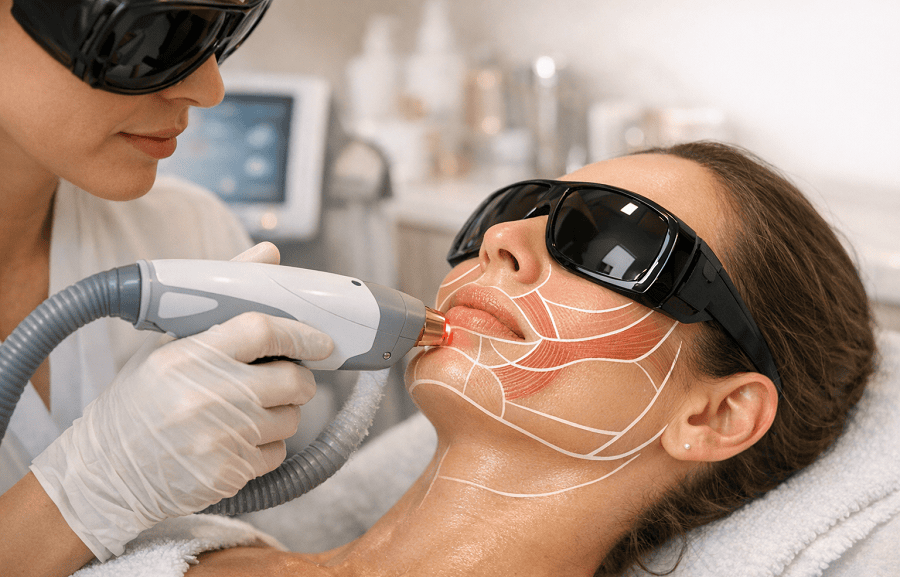
Facial Anatomy and Hair Removal: Technology and Insights 2026
Discover the foundational science, advanced technology, and personalized care methods shaping luxury facial Anatomy and Hair Removal in 2026. These actionable insights highlight how to achieve safe, natural, and confidence-boosting results—no matter your skin tone, hair type, or beauty goals.
- Precision starts with facial anatomy—Understanding hair follicle depth, facial nerve locations, and unique skin sensitivities ensures every hair removal session is both safe and highly effective.
- Personalized laser technology delivers natural results—Clinic-based systems like Alexandrite, Diode, and Nd:YAG lasers are selected to match your specific skin tone and hair type, elevating both inclusivity and visible outcomes.
- AI and smart imaging revolutionize safety—Artificial intelligence now maps nerves, analyzes skin, and adapts laser energy in real-time for customized protocols that minimize risk and maximize comfort.
- Advanced at-home devices empower self-care—New home IPL/laser tools feature skin sensors, facial attachments, and app-guided routines, offering affordable, convenient, and increasingly effective options for ongoing maintenance.
- Electrolysis remains the gold standard for permanent results—For blonde, red, or white facial hairs that lasers miss, modern electrolysis provides safe, permanent removal, especially important for shaping brows or addressing small, visible areas.
- Luxury care prioritizes safety and hygiene—Leading clinics guarantee stringent sterilization, continuous cooling technologies, and personalized protocols, giving you trustworthy care and peace of mind at every visit.
- Empowerment comes from expert guidance—Both in-clinic and at home, knowing which device, method, or setting best fits your anatomy—especially for complex or hormonally stubborn hair—ensures consistent, healthy, and radiant results.
- The future is inclusive and customizable—With nearly 46% of the global device market in laser hair removal and trends toward AI personalization, eco-friendly options, and 3D face mapping, every client can achieve their most natural glow—regardless of background or identity.
Explore the full article to unlock deeper knowledge, see emerging trends, and find your tailored path to timeless beauty and empowered confidence.
Introduction
Would you trust your most delicate facial features to yesterday’s technology? Over 70% of clients now seek personalized facial hair removal—demanding safety and results that honor their unique skin, anatomy, and lifestyle.
Imagine gazing into the mirror, seeing not redness or irritation, but smooth, luminous skin—confidence radiating naturally, with each contour perfectly respected. In 2026, luxury beauty care is more than results; it’s safety, science, and seamless personalization for every face, every shade, and every story.
Toronto and the GTA are redefining what “timeless beauty” means, blending clinical artistry with the latest in laser, AI-powered devices, and lasting, compassionate care. You deserve a hair removal experience elevated by:
- Expert understanding of facial anatomy—every nerve and follicle is mapped for your safety
- Inclusive technology—platforms that adapt to every skin phototype, even the most delicate zones
- Personalized protocols—tailored for your unique needs, environments, and goals
Why does this matter now? Because facial hair removal is no longer one-size-fits-all. Today’s best clinics and at-home devices promise not just sleek technology, but an experience built on trust, calm confidence, and lasting empowerment—each step designed to elevate your natural glow, not change what makes you uniquely you.
Throughout this guide, discover:
- The foundations of facial anatomy and how they guide safe, effective hair removal
- The science of hair growth and its role in empowering your choices
- How 2026’s innovations in technology, from hybrid lasers to AI, set a new luxury standard
- Essential safety strategies and practical insights, whether you choose clinical care or at-home solutions
See every treatment as a celebration of your features—with luxury measured not by complexity, but by how comfortably and beautifully you feel in your own skin.
To understand how precision, innovation, and personalized artistry converge for truly radiant results, let’s begin with the fundamentals: the vital role facial anatomy plays in crafting your ideal, confidence-boosting hair removal plan.
Facial Anatomy: Foundations for Hair Removal
The art and science of facial hair removal are built on a precise understanding of facial anatomy.
Professionals target not just the surface, but the hidden architecture beneath—each step personalized for safety, visible results, and elegance.
“Every face tells a unique story; your hair removal plan should, too.”
Core Structures: Hair Follicles and Growth Cycles
Effective hair removal requires knowledge of where and how follicles are embedded:
- Follicle location and depth vary by facial zone—upper lip follicles sit shallow, jawline follicles run deeper.
- Growth orientation (angled or perpendicular) affects how laser or light energy is targeted.
- Hair cycles determine treatment timing. Only hairs in the anagen (growth) phase will respond, so multiple sessions—typically 4–6 spaced four to six weeks apart—are required for lasting results.
Imagine an expert plotting a map: for hair removal, every follicle is a landmark.
Facial Skin Properties: Sensitivity and Vascularity
The skin of the face is incredibly delicate and richly vascularized—especially over the lips, chin, and jaw.
This means:
- Increased risk of post-inflammatory pigmentation or minor burns if incorrect settings are used.
- Faster healing, but also heightened sensory experience; precise cooling and lower laser fluence are crucial.
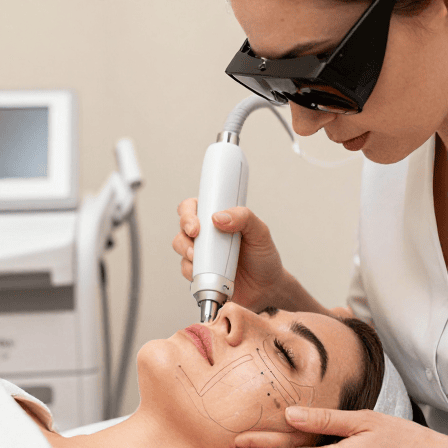
Picture a close-up of soft, glowing ski
n—luxury care is measured not in downtime, but in how natural and comfortable your results look and feel.
Melanin, Skin Phototypes, and Inclusive Care
Your skin and hair’s melanin content directly informs the safest, most effective technology.
- Darker phototypes (IV–VI) are at greater risk for pigment changes; Nd:YAG lasers (1064 nm) are preferred for their safety profile.
- Lighter phototypes (I–III) respond well to Alexandrite (755 nm) and diode (~810 nm) systems, especially for fine facial hair.
- Each session is meticulously customized—true “tailored for you” beauty.
This is why Toronto’s most modern clinics use devices that adapt to every complexion—reflecting the city’s beautiful diversity.
Understanding Facial Zones: Protocols for Beautiful Outcomes
No two facial regions can—or should—be treated the same.
- Upper lip: fine, shallow hairs, highly sensitive—demanding gentle fluence and precision cooling.
- Chin/jawline: often hosts coarser, hormonally-driven hair, requiring deeper penetration and possibly extra sessions.
- Sideburns, cheeks, neck: variable density, best addressed with customizable settings per sub-zone.
Luxury care means respecting your natural contours, always aiming for harmony and confidence.
Facial hair removal is not one-size-fits-all—anatomic insight shapes every beautiful, safe result.
A true foundation for confidence is built on respect for your unique facial structure, skin tone, and individual goals; picture this: each treatment plan as refined as your own features—luxurious, safe, and designed to elevate your natural glow.
The Science of Facial Hair Growth in Women
Understanding why facial hair develops in women is the first step toward effective, safe, and compassionate treatment.
The density, color, and pattern of facial hair are shaped by a blend of genetics, hormones, and health conditions unique to every individual.
For many women, visible facial hair is both a biological and emotional concern—one that deserves the same professional care as any other aspect of beauty.
Biological and Hormonal Drivers
Three main factors have the greatest influence on facial hair growth in women:
- Hormones: Androgens, especially testosterone, stimulate follicles. Even subtle shifts can cause thicker or darker hair to develop—noticeable on the upper lip, chin, or jawline.
- Genetics: Family history often predicts whether and where facial hair increases, with some ethnicities naturally having more vellus or terminal facial hair.
- Age: Hormonal changes (puberty, perimenopause, menopause) commonly trigger new patterns or increases in facial hair.
Up to 10% of women experience unwanted facial hair intense enough to prompt treatment, often starting in midlife or with hormonal changes.
Health, Diversity, and Trend Data
Certain medical conditions can amplify facial hair growth:
- PCOS (Polycystic Ovary Syndrome): Affects 1 in 10 women and is a leading cause of excessive facial hair (hirsutism), requiring both medical and cosmetic approaches.
- Hirsutism: Defined as male-pattern hair growth, this affects 5-15% of women and may be more prevalent in those of Mediterranean, South Asian, or Middle Eastern descent.
- Other possible causes: Medications (e.g., steroids), adrenal or ovarian disorders, and stress.
Addressing facial hair is about more than surface appearance—it’s about recognizing root causes with kindness and expertise.
Confidence, Empowerment, and When to Seek Care
For many clients, seeking facial hair removal is about restoring confidence, self-expression, and a sense of natural radiance.
- Imagine a client looking in the mirror after a gentle, professional treatment—seeing clear, smooth skin and feeling authentically themselves.
- Treatments tailored to your facial anatomy, hair type, and skin tone create results that feel as individual as you are.
When should you seek a clinical evaluation?
- Rapidly increasing facial hair, irregular cycles, or other health changes signal a need for medical assessment before pursuing aesthetic solutions.
- For persistent or emotionally taxing hair growth, professional guidance ensures safe, lasting, and respectful support.
The Key Takeaway
Every woman’s facial hair story is unique.
Understanding the science behind it—biological, genetic, and psychological factors—empowers you to choose safe, effective, and confidence-building solutions.
At Forouz Beauty, our approach blends luxury care with personalized science, so you can elevate your natural glow with peace of mind.
Key Structures: Facial Nerve and Shape
Understanding the intricate facial nerve anatomy is essential for safe and effective hair removal—whether in a professional clinic or at home.
The facial nerve (cranial nerve VII) has five major branches that fan out to control expression, sensation, and muscle tone:
- Temporal: travels toward the temple and forehead
- Zygomatic: crosses the cheekbone
- Buccal: spreads across the cheek region
- Marginal mandibular: along the jawline
- Cervical: toward the neck
Nearly every facial zone popular for hair removal—upper lip, chin, jawline—is close to critical nerve pathways. Picture this: a brief tingle, numbness, or muscle twitch during a session almost always signals the device is near a major branch.
Safety and Technique: Protecting Delicate Nerve Zones
Why is this knowledge so vital?
- Direct nerve injury can cause temporary or rarely, lasting weakness, pain, or numbness.
- High-risk spots for clinics and at-home users:
- The margin of the jawline (mandibular nerve)—especially vulnerable to aggressive waxing, improper laser depth, threading, or epilator use.
- The cheek zone near the smile line (buccal, zygomatic branches)—where improper technique can lead to swelling or irritation.
- The perioral area (around the lips), highly innervated and prone to increased sensation or swelling.
Professional devices use precise cooling and calibrated energy to protect these areas. At home, always:
- Choose smaller attachments for the face.
- Use lower energy settings in sensitive zones.
- Avoid “numbing” sensations or twitching—pause and consult a specialist.
“Every perfect result starts with respect for the underlying anatomy.”
The Role of Facial Shape in Hair Removal Planning
Facial shape—oval, round, heart, square, diamond—directly influences hair density, distribution, and the way treatments are mapped out.
For example:
- Square jaws often have denser hair growth along the lower cheek and jawline.
- Heart-shaped faces may need more precision near the chin and upper lip.
- Broad cheekbones (diamond/oval shapes) require careful technique to avoid nerve injury while following natural contours.
Technicians use facial shape assessment to:
- Plan energy paths that match each client’s bone and muscle structure.
- Select attachment heads and pulse width for detailed contouring.
- Achieve naturally beautiful, customized results that elevate the client’s inherent features.
Dive Deeper: Expand Your Understanding
If you’re looking for more detail, explore:
- Facial nerve mapping guides for at-home and clinical users
- Comprehensive risk lists for each facial zone
- In-depth resources on facial shape analysis for tailored treatments
“Knowledge of your own face is power—both for safety and for stunning results.”
“Great facial hair removal isn’t just technology—it’s an art supported by science.”
Staying attuned to facial nerves and shape empowers both clinicians and clients to enjoy safer, more confident, and naturally radiant outcomes with every treatment.
Clinic-Based Facial Hair Removal Technologies (2026)
Facial Anatomy and Hair Removal technology has advanced significantly in 2026, giving patients access to more precise, comfortable, and personalized treatments than ever before. Understanding how modern devices interact with facial anatomy helps practitioners select the safest approach for delicate areas while delivering effective, long-lasting results. For anyone considering Facial Hair Removal Totonto, knowing the strengths of today’s clinic-based technologies makes it easier to choose the right treatment for your skin type, hair color, and aesthetic goals.
Laser & Light-Based Solutions: Standards and Evolution
When it comes to facial hair removal, clinic-based laser technologies are the gold standard for precision, safety, and natural results.
Today’s primary laser platforms include:
- Ruby (694 nm): Mostly historical, best for light skin, but rarely used due to higher risk on pigmented skin.
- Alexandrite (755 nm): Fast and effective for fair skin, and often chosen for fine facial areas like the upper lip.
- Diode (~810 nm): The “workhorse” laser—high efficiency and safer for a broad range of skin types, including much of the GTA’s diverse clientele.
- Nd:YAG (1064 nm): Safest for deeper and darker skin tones (phototypes V–VI), recommended for jawline, chin, and sideburns with coarse or hormonally driven hair.
Platform selection depends on facial zone, hair caliber, and individual skin phototype, ensuring both effectiveness and safety.
“The right laser for each face is as personal as the features themselves.”
IPL and Hybrid Technologies: Expanding Options
For larger treatment areas, IPL (Intense Pulsed Light) and BBL (BroadBand Light) remain popular, though typically less effective per session than true lasers.
Recent advances include:
- Precision attachments for the upper lip or chin, making IPL safer and more comfortable.
- Hybrid IPL + RF (Radiofrequency) devices for treating lighter or grey facial hair—expanding results for more clients.
- Multi-wavelength handpieces like triple diode (755+808+1064 nm) and Alexandrite/Nd:YAG hybrids, delivering custom energy blends for even, radiant outcomes.
Picture this: a device blending the gentleness of IPL for the cheeks with the deep reach of Nd:YAG for sculpted jawlines—all in one smooth session.
Tailoring Protocols, Managing Challenges
The safest clinics use science-backed protocols:
- 4–6 sessions spaced 4–6 weeks apart for lasting reduction on most faces; maintenance boosts every 6–12 months to address regrowth.
- Aggressive yet controlled cooling technology to comfort sensitive skin and minimize heat or pigment risks.
- For stubborn, hormonally driven chin or jawline hair, combining multiple wavelengths or extending the session count offers proven results.
Key tip: Persistent facial hair may signal a medical concern—professional assessment always comes first for your safety and confidence.
Safety, Hygiene, and Trust as Luxury
Every true luxury clinic makes client safety and hygiene non-negotiable.
Standards include:
- Stringent cleaning and cooling protocols for every session.
- Up-to-date clinician training in new devices and protocols, so you receive care reflecting the latest clinical evidence.
- Personalized risk screening: tattoos, pigmentary disorders, and very dark or light skin require extra care—or may need alternative treatments like electrolysis.
Clients describe this process as “effortless peace of mind—from consultation through every session.”
Every visit, the focus is on creating a safe, luminous result while honoring your unique features. Trust, safety, and tailored expertise form the foundation of facial hair removal in 2026’s leading clinics—delivering natural confidence that glows.
2026 Advancements: Personalization, Speed, and Comfort
Facial Anatomy and Hair Removal technologies continue to evolve in 2026, with modern platforms delivering faster treatments, greater precision, and improved comfort for every skin type. Advanced systems now combine intelligent energy settings, cooling technologies, and real-time skin assessment to personalize each session based on facial anatomy and hair characteristics. For patients seeking Facial Hair Removal Totonto, these innovations mean shorter appointments, enhanced safety for sensitive facial areas, and more consistent long-term hair reduction with fewer treatment sessions.
Multi-Wavelength & Hybrid Platforms
Picture this: a single, sleek device offering 755+808+1064 nm wavelengths in one touch, adapting treatment as it moves from the upper lip to the jawline.
Today’s triple-wavelength diode lasers—and hybrid platforms that combine Alexandrite (755 nm) plus Nd:YAG (1064 nm)—let clinicians:
- Tailor energy delivery for fine facial peach fuzz or coarse, hormonally driven chin hair.
- Adjust settings instantly for lighter, medium, or deeply pigmented skin, elevating inclusive beauty for Toronto’s diverse population.
- Mix wavelengths in real time, giving superior results and fewer complications for every skin tone.
One standout: Splendor X’s BLEND X technology, which synchronizes two laser types per pulse, has improved comfort and efficacy for clients across the GTA.
“Skincare is personalized luxury when technology listens to your anatomy.”
High-Speed, Smart, and “Near-Painless” Hair Removal
New-generation diode systems like Lumenis LightSheer Duet or Cynosure Vectus emphasize speed and comfort, reducing full-face hair removal to under 20 minutes—half the time of earlier methods.
Key advances:
- Motion-based treatment heads warm follicles gradually for “near-painless” sessions, especially on sensitive cheeks or upper lip.
- Sessions now cover larger areas at once with “quick-pulse” passes, meaning less downtime and a more relaxed, confidence-building experience.
Clients can expect more effective clearance in fewer appointments, supporting their busy lives and desire for lasting, natural results.
“Fast, comfortable, and empowering—modern hair removal is designed for your lifestyle, not the other way around.”
Cooling and Sensory Protection Technologies
Facial skin’s delicacy demands exceptional care; technology delivers with integrated air and contact-cooling, plus sapphire-tipped devices.
- Dual-cooling systems shield the skin throughout, significantly minimizing risk of burns or discomfort.
- Cooling advancements let clinics use higher fluence on coarse hairs while preserving the even glow of the complexion.
A single handpiece, glowing with a sapphire-cool tip, evokes both clinical luxury and total trust—ideal for promotional video or client education.
Artificial Intelligence and Imaging in Clinical Devices
AI-driven platforms now analyze skin tone, follicle density, and vascular landmarks in real time, dynamically optimizing laser energy for each tiny facial zone.
- Smart-imaging tech visualizes nerves, follicles, and pigment patterns for safer, more precise protocols.
- Connected apps track progress and remind you when it’s time for your touch-up.
When you want “results as unique as your features,” these technologies set a new standard for personalization and luxury.
Personalized, clinically precise—and consistently beautiful. In 2026, advanced facial hair removal embodies comfort, confidence, and tailored luxury care for every client and every face.
At-Home Facial Hair Removal: Devices and Innovations (2026)
Facial Anatomy and Hair Removal innovations are no longer limited to professional clinics. In 2026, advanced at-home IPL, diode laser, and hybrid devices offer greater precision, built-in safety sensors, and customizable treatment settings designed for different skin tones and facial hair types. While these technologies can effectively reduce unwanted hair with consistent use, understanding facial anatomy remains essential to treating delicate areas safely. For those considering Facial Hair Removal Totonto, home devices can complement professional treatments, but clinic-grade systems continue to provide faster, longer-lasting results for stubborn or dense facial hair.
Evolution of Home IPL, Laser, and Hybrid Devices
Modern at-home facial hair removal has reached an unprecedented level of sophistication and safety. Today’s best devices offer skin tone sensors, precision facial attachments, and intuitive app integrations—making luxury-grade results more accessible than ever.
Picture this: You hold a sleek device, gently gliding it across your upper lip, while built-in sensors automatically set the safest energy level for your complexion. Expect these standout features in 2026:
- Smart skin sensors for real-time energy adjustment
- Facial attachments for delicate and precise zones
- App-based guidance with tracking, reminders, and skin health tips
Compared to professional clinic treatments (where a course of 4–6 sessions might start at $400–$600 for the face), at-home devices bring affordability and flexibility, though results develop more gradually over a series of 8–12 weeks.
Hybrid IPL + RF systems are now available for tackling stubborn, light, or grey facial hairs, making at-home hair removal far more inclusive for a range of skin tones and hair colors in the Greater Toronto Area.
Quotable: “Smart home devices are elevating self-care, bringing professional confidence into your daily routine.”
AI-Personalized At-Home Solutions
Artificial intelligence is redefining home facial hair removal, promising not only efficiency, but also peace of mind. Devices with AI-driven personalization now:
- Scan your skin and adjust intensity with each use
- Track progress and suggest optimal timing for repeat treatments
- Alert you to safety risks or sensitive facial zones, with in-app safety checks
The result is a curated, luxury experience tailored to each individual’s needs and anatomy—just as a clinic would, but from the comfort of your own space.
Safeguards matter: AI helps you avoid over-treating, while reminders support consistency for best results. Yet, there’s wisdom in knowing your limits—complex facial concerns or persistent, coarse hair growth still call for a professional’s expert care.
Visualize the benefit: A serene morning, soft natural light, and confident skin—empowered by professional-grade technology, right at home.
Quotable takeaway: “Personalized tech means every client can elevate their natural glow, with safety and precision guiding each step.”
In 2026, investing in reputable at-home solutions brings efficient, subtle, and comfortable hair removal to your fingertips—but always remember, the best results come from pairing personal empowerment with trusted guidance when needed.
Non-Laser Hair Removal Methods and Their Place
Facial Anatomy and Hair Removal isn’t limited to laser technology. Several non-laser treatments continue to play an important role in 2026, particularly for hair colors and skin conditions that respond less effectively to light-based devices. Electrolysis, threading, waxing, and precision trimming each have specific advantages depending on facial anatomy, hair type, and personal goals. For individuals seeking Facial Hair Removal Totonto, understanding when non-laser methods are the better choice helps ensure safe treatment and long-lasting, natural-looking results.
Electrolysis: The Trusted Standard for Light, Red, or White Facial Hair
Electrolysis stands out as the “one true permanent way to remove hair,” making it the gold standard for blond, red, or white facial hair that lasers and IPL often miss.
This method uses a fine probe to deliver low-level electrical current directly into each hair follicle, permanently destroying the root regardless of hair color or texture.
Expect the following with electrolysis:
- Permanent hair removal—ideal for small, high-visibility areas such as the upper lip, chin, or shaping brows.
- Multiple sessions required: Most clients need at least 10–15 appointments, spaced two to four weeks apart, to achieve full clearance.
- Safe for all skin types—when performed by skilled professionals who follow strict hygiene protocols.
Safety is paramount:
- Always confirm your provider’s credentials and inquire about sterilization and aftercare steps.
- Temporary redness and mild swelling are common, but scarring or pigmentation issues are rare with modern techniques.
“Electrolysis offers peace of mind for those seeking true permanence—because some stories are worth writing just once.”
—
Manual and Temporary Methods: Waxing, Threading, Epilators, and Dermaplaning
For clients who need flexibility or immediate results, gentle manual methods remain popular—each with its own place in a care regimen guided by professional luxury standards.
Consider these options:
- Waxing/Threading/Epilators: Removes hair from the root, delivering smoothness for two to four weeks. Recommended for:
- Quick upper lip, cheek, or chin touch-ups
- Clients with light or sparse facial hair
- Those who want a non-technology-based approach
- Dermaplaning/Shaving: Best for removing fine “peach fuzz” (vellus hairs), revealing glowing skin ideal for makeup application or special events. Lasts about one week.
Picture this: a serene, softly lit treatment room, cool clinical precision, and skin left luminous and refreshed—natural beauty, elevated.
Key safety insights:
- Always use professional-grade products and sterile tools.
- Avoid waxing or threading over active acne, sunburns, or fragile skin.
- For at-home care, opt for dermatologist-recommended blades and gentlest technique.
“These simple techniques offer clients control and comfort—because luxury sometimes means doing less, beautifully.”
—
Both electrolysis and manual hair removal methods serve unique roles in the world of confident, radiant skin. Whether seeking permanent solutions or quick refinement, the path to timeless beauty always begins with trustworthy care and tailored choices that put your natural glow first.
Safety, Anatomical Caveats, and Client Empowerment
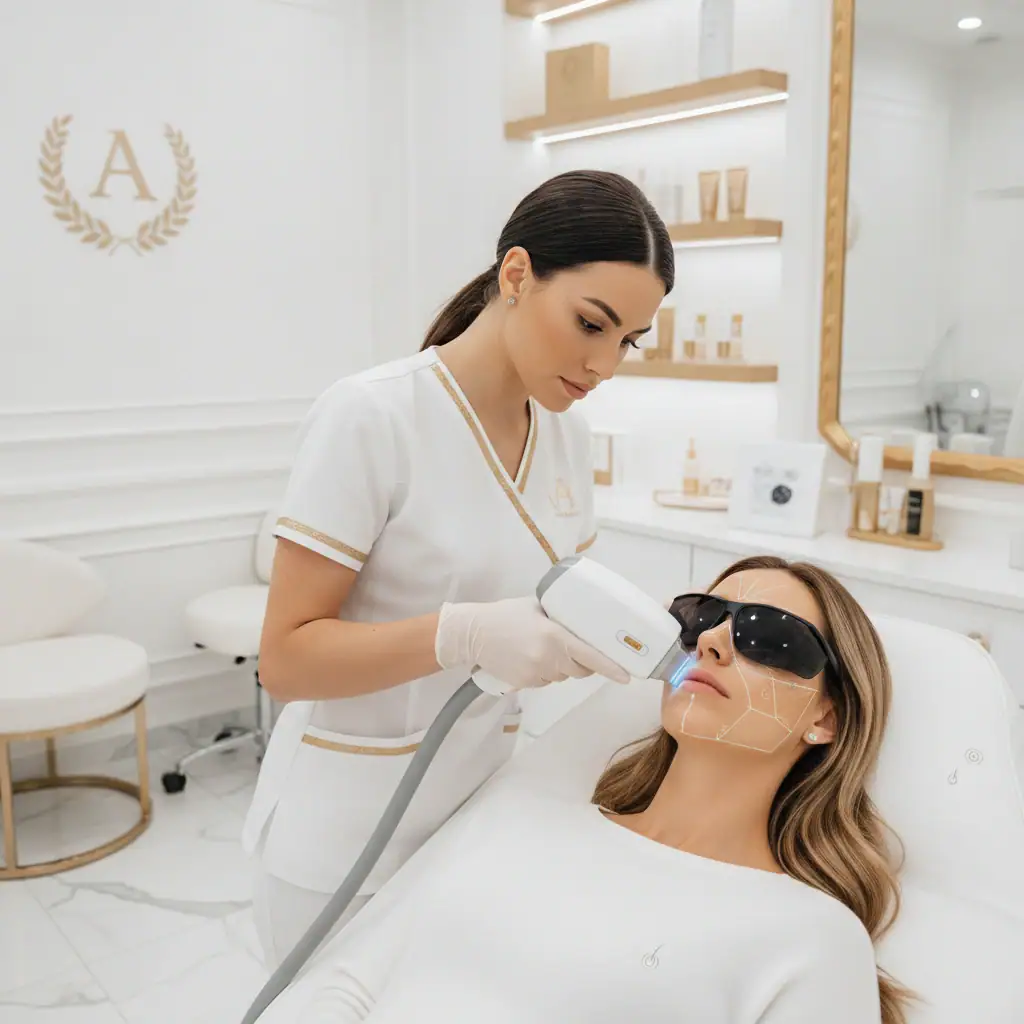
The face is one of the most delicate treatment areas in beauty and aesthetics—precision, safety, and personalization are non-negotiable.
A single misplaced laser pulse or chemical can impact sensitive regions or leave lasting pigmentation. Imagine the calm confidence of knowing exactly how and why every inch of your skin is protected.
Safeguarding Every Facial Zone
Some areas demand extra vigilance:
- Eyes and Brows: Laser and IPL are never safe for eyelids, eyebrows, or immediately surrounding skin—accidental exposure risks permanent vision loss.
- Tattoos and Pigmented Lesions: Laser energy can cause unpredictable heating, resulting in burns, pigment shifts, or even scarring.
- Dark Skin (Fitzpatrick IV–VI): Higher melanin means higher risk; Nd:YAG (1064 nm) lasers are the safest choice, with aggressive cooling and expert dosing.
- Hormonally Sensitive Zones: Chin and jawline hairs, often coarser and more persistent, require targeted, gentle energy and sometimes more sessions.
Always choose treatment plans that honor your unique anatomy and clinical history.
Expert Strategies for Long-Term Safety
Your clinician’s knowledge is your shield:
- Mapping nerves and vessels: Using touch, visuals, and even AI, professionals identify “no-go” areas—where major nerves or blood vessels are near the skin’s surface (think “danger zones” near the oral commissure or mandibular border).
- Personalized protocols: Devices are meticulously calibrated—energy, spot size, and frequency—all to match your skin phototype, follicle depth, and desired outcome.
- Continuous cooling: Modern laser platforms now combine cryo-air and sapphire tips, dramatically reducing burn and sensation risks even on sensitive lips or cheeks.
Quote it: “Precision care today means safe, glowing results tomorrow.”
Empowered Choices—True Luxury
A truly luxurious experience means informed confidence—knowing when to treat at home, when to seek a pro, and how to read your skin’s cues.
- At-home limitations: Always avoid eyes, recent tattoos, or any unknown marks. If you’re unsure, consult before using any device beyond the upper lip or chin.
- Signs to watch: Unexpected swelling, blisters, pigment change, or persistent discomfort mean it’s time for professional assessment.
- Professional evaluation: For stubborn or hormonally driven hair growth (as with PCOS), holistic care—sometimes medical, not only aesthetic—yields the best results.
Quotable: “Empowerment is having the knowledge to choose what’s safest for you.”
Memorable Takeaway
Safe facial hair removal blends expertise, advanced technology, and your own body awareness. The most radiant results are always founded in routines that protect, respect, and empower—giving you confidence, comfort, and a timeless glow.
Technology, Market Landscape, and the Future to 2030+
Market Share, Demographics, and Technology Adoption
The laser hair removal segment captures nearly 46% of the global device market for 2026, with diode and Nd:YAG systems dominating treatment protocols, particularly for diverse skin tones seen across Toronto and the GTA.
Clients increasingly expect safe, inclusive facial hair removal—supported by new technologies that adapt to various phototypes, hair textures, and gender identities.
Picture this: clients of all backgrounds walk into a clinic and see their natural tone and features represented in consultation images, building trust and comfort before the first treatment even begins.
Clients searching for effective, gentle solutions benefit from:
- Diode lasers: Reliable, fast, broad skin-type adaptability, and cost-efficient.
- Nd:YAG lasers: Offering the safest choice for pigmented or sensitive facial skin.
- Triple and dual-wavelength hybrid systems: Adapting in real time for mixed facial hairs.
Quote to share: “The future of beauty is inclusive—no matter your skin tone or identity, your glow should be effortless.”
Emerging Trends and Personalization
The real breakthrough? AI-driven personalization and advanced imaging: By 2026, clinics and at-home devices use smart sensors and machine learning to tailor energy levels and protect even the most delicate facial areas.
Core trends shaping the next wave:
- AI-assisted protocols: Algorithms analyze facial nerve maps, skin tones, and hair textures for ultra-customized care.
- Eco-conscious luxury: Clients increasingly request sustainable products—biodegradable waxes, vegan serums, and recyclable device components.
- Personalized home care: Modern IPL/RF devices partner with apps to coach clients, track results, and remind them when to pause or reschedule based on skin response.
Visualize a polished tray—serene beige and gold tones—holding both a luxurious sapphire-cooled device and a bottle of natural aftercare serum: the beauty of science meeting sustainability.
Quotable: “Personalization isn’t a luxury—it’s the new promise in every facial hair removal plan.”
Integration with Facial Recognition and Aesthetic Tech
2026 trends show facial recognition technology—originally designed for biometric security—improving both consultation and treatment precision.
Examples of integration shaping facial aesthetics:
- 3D facial mapping: Identifies nerve branches and sensitive zones, guiding device safety settings.
- Smart AI “previews” simulate post-treatment skin for confidence and satisfaction.
- Clinics refer clients to detailed sub-pages on facial nerve safety and shape analysis for full empowerment.
Share-worthy takeaway: “Advanced facial analysis means every touch is safer, every result more natural.”
The path forward is personalized, science-driven, and grounded in trust—ensuring every client feels empowered as both the subject and author of their ongoing beauty journey.
If you’re looking for personalized treatment recommendations, explore our Facial Hair Removal guide to learn how advanced laser technologies, customized treatment plans, and experienced medical professionals combine to deliver safe, long-lasting results. Whether you’re treating fine facial hair or seeking comprehensive facial rejuvenation, our clinic provides solutions tailored to your unique facial anatomy and aesthetic goals.
Conclusion
True radiance isn’t found in trends—it’s crafted through informed, luxurious care that honors your unique features, skin, and story. With advanced technology and expert insight, you hold the power to transform facial hair removal into an experience that builds lasting confidence and natural beauty.
Let every decision be a reflection of calm confidence and self-care, guided by science and nurtured by trust. You deserve results that feel as individual and refined as you are.
—
Most actionable ways to elevate your experience:
- Consult a trusted, expert clinic—ensure your assessment and treatments reflect best-in-class safety, personalization, and excellence.
- Prioritize technology that adapts to your skin tone and anatomy for every facial zone; never settle for one-size-fits-all solutions.
- Embrace at-home innovations with awareness—use only reputable devices, and always follow guidelines for sensitive zones.
- Be proactive about safety—decline any treatment around high-risk areas (eyes, tattoos), and speak up about discomfort or questions.
- Empower yourself with knowledge—explore facial anatomy, device protocols, and expert recommendations before you begin any regimen.
—
Take your next step toward timeless beauty:
- Schedule a personalized consultation with a professional who listens to both your goals and your skin.
- Review your current home or clinic tools; check that they meet the latest safety and personalization standards.
- Share this knowledge—confidence grows strongest in community. Invite a friend or family member to elevate their self-care, too.
—
Your beauty is as unique as your facial contours—let every treatment uplift your natural glow and your sense of self.
True luxury lies in the comfort of knowing you’ve chosen care tailored just for you.
Step forward with calm confidence—your most radiant self awaits.
FAQs
1. Is Facial Anatomy and Hair Removal important before starting laser treatment?
Yes. Understanding Facial Anatomy and Hair Removal helps practitioners identify sensitive nerves, blood vessels, and facial contours, allowing them to customize laser settings for safer and more effective hair reduction.
2. Is Facial Hair Removal Totonto safe for all skin tones?
Modern laser platforms used for Facial Hair Removal Totonto can safely treat most skin tones when operated by qualified medical professionals using the correct wavelength and cooling technology.
3. Which facial areas respond best to laser hair removal?
Common treatment areas include the upper lip, chin, cheeks, sideburns, jawline, neck, and between the eyebrows. Results vary depending on hair color, density, and hormonal factors.
4. Can blonde, grey, or white facial hair be removed?
Laser treatment is less effective on very light-colored hair because it lacks sufficient pigment. Electrolysis remains the preferred permanent solution for blonde, grey, red, and white facial hair.
5. How many sessions are usually needed?
Most patients require 6–10 treatments spaced several weeks apart, followed by occasional maintenance sessions depending on hormonal changes and individual hair growth cycles.
6. Are at-home IPL devices as effective as professional laser treatments?
Home IPL devices can reduce hair growth gradually, but professional medical lasers deliver stronger energy, greater precision, and typically produce faster, longer-lasting results.
7. How should I prepare before facial laser hair removal?
Avoid sun exposure, tanning products, waxing, and plucking for several weeks before treatment. Shaving the treatment area is generally recommended, and your provider will evaluate your skin and hair during the consultation.
For evidence-based information on laser safety, skin care, and cosmetic procedures, visit the American Academy of Dermatology (AAD). Their clinical resources explain how different laser technologies work, treatment expectations, and best practices for protecting your skin before and after facial hair removal.
PRP under-eye: Application, Brands, and Safety in 2026
PRP under-eye: Application, Brands, and Safety in 2026
Discover the essentials of PRP under eye treatments for 2026—where client safety, natural results, and clinical expertise define luxury care. These concise insights guide you to informed, confident choices for achieving timeless, naturally radiant under-eyes in Richmond Hill, Toronto, and beyond.
Forouzan offers under-eye, facial and scalp PRP treatment in Richmond Hill, minutes from Toronto, Markham and Vaughan.
- PRP under-eye treatments harness your body’s own platelets to gently improve fine lines, crepiness, and mild dark circles—delivering a subtle, refreshed appearance without adding foreign substances.
- Results evolve gradually over 2-4 sessions (spaced about a month apart), with most clients enjoying firmer, brighter skin and reduced fine lines that can last up to 12 months with minimal downtime.
- Leading PRP brands like SELPHYL and Arthrex ACP are trusted by luxury clinics for their sterile, hospital-grade protocols and well-documented safety, though no system is officially approved for under-eye use as of 2026.
- Safety depends most on skilled clinical expertise and meticulous sterility, not the PRP brand itself—choose board-certified providers committed to continuous training and gold-standard hygiene.
- PRP is ideal for those seeking natural skin quality improvements, not volume correction; if your main concern is deep hollowing or eye “bags,” fillers may be a better fit.
- Luxury clinics prioritize personalized service, starting with a thorough consultation, clear expectation setting, and custom aftercare—ensuring every protocol aligns with your unique skin and goals.
- Transparent communication, informed consent, and client empowerment are core values—your peace of mind is supported by detailed risk reviews and emergency protocols in every step.
- Combining PRP with other advanced treatments like fillers or lasers may achieve optimal, tailored results—reflecting a philosophy of precision and holistic beauty care.
Experience the art of elevating your natural glow—explore the full article to understand how PRP delivers safe, customized under-eye rejuvenation in a setting defined by trust, expertise, and client-centered luxury.
Introduction
What if unlocking brighter, more refreshed under-eyes could be as simple—and as natural—as using your body’s own healing power? In the last year alone, nearly 1 in 4 GTA beauty clinic clients sought non-surgical solutions for tired eyes and subtle dark circles, making the undereye PRP treatment a quietly growing favorite.
If you’ve ever been frustrated by creams that don’t deliver or worried about the “overfilled” look of tear-trough fillers, you’re not alone. Your under-eye skin is uniquely delicate—thin, translucent, and prone to shadows or crepiness—demanding a gentle, tailored approach.
That’s where Platelet-Rich Plasma (PRP) steps in, offering:
- Natural rejuvenation using your own plasma—no foreign ingredients
- Subtle smoothing of fine lines, texture, and mild pigment
- Gradual, understated brightening for truly refreshed eyes
Imagine entering a softly lit Richmond Hill or Toronto clinic, greeted by calm expertise and knowing every safety protocol is built for your comfort and trust. PRP under eye treatments reflect the luxury of science-backed care—personalized, precise, and always driven by your confidence and well-being.
In this article, you’ll find clear, current insights into:
- How PRP works beneath the eyes—and why it’s chosen for the most sensitive skin
- Which advanced brands and systems set the gold standard for safety and quality in 2026
- The exact flow of the experience—from consultation, to gentle injection, to aftercare
- What safety really means for you: risks, eligibility, and how top clinics protect your results
- How PRP compares with fillers, lasers, and PRF, so you can choose the perfect fit for your needs
Refresh your expectations of what under-eye care can offer. Experience the confidence, tranquility, and tailored luxury of timeless beauty—elevated just for you.
Ready to discover the science and artistry behind PRP under eye rejuvenation? Let’s begin with what makes this treatment so unique in the world of modern skincare.
Understanding PRP for Under Eyes: Science, Applications, and Key Benefits
Platelet-Rich Plasma (PRP) is a regenerative solution that uses the healing components in your own blood—specifically, a concentration of platelets—to stimulate natural tissue repair and rejuvenation.
When PRP is injected beneath the eyes, its growth factors trigger new collagen production, aiming to visibly refine skin texture, soften fine lines, and support mild pigment improvement. Imagine unveiling a fresher, more rested under-eye look gradually, often noticed across several weeks.
Unique Under-Eye Needs: Why PRP Is Chosen
The under-eye area is especially delicate:
- The skin is thin and translucent
- Vascularity leads to visible shadows and dark circles
- It’s highly sensitive, making it prone to bruising and puffiness
PRP stands out for people seeking:
- Natural skin refinement without adding foreign substances
- Mild improvement in dark circles and crepiness
- Subtle texture smoothing for a softly refreshed eye
Notably, unlike tear-trough fillers, PRP does not restore lost volume or eliminate eye “bags.” Its primary benefit is improved skin quality—think glow and resilience over plumping.
How PRP Works Under the Eyes: Evidence and Expectations
After precise injection, platelets release bioactive proteins that:
- Stimulate collagen and elastin synthesis
- Encourage gentle tissue renewal over weeks
- Result in nuanced, progressive changes rather than overnight transformation
A recent 2026 clinical meta-analysis confirms:
- Most clients experience subtle brightening, firmer skin, and less visible fine lines
- Results typically require multiple sessions (usually 2-4, spaced a month apart)
- Improvements last from several months to about a year, with touch-up maintenance
- Risks of adverse events are low when performed by skilled clinicians using medical-grade systems
Quotable Insight: “PRP under eye treatments unveil a quieter transformation—think better skin days, not dramatic change.”
Choose PRP for Skin Quality, Not Volume
If your main goal is addressing thinning, crepiness, or early fine lines, PRP offers a science-backed option that emphasizes your natural beauty.
Each session moves you closer to a subtly brighter appearance—ideal for those prioritizing natural, gradual results in luxury care settings.
PRP Procedure for Under Eye Rejuvenation: What to Expect
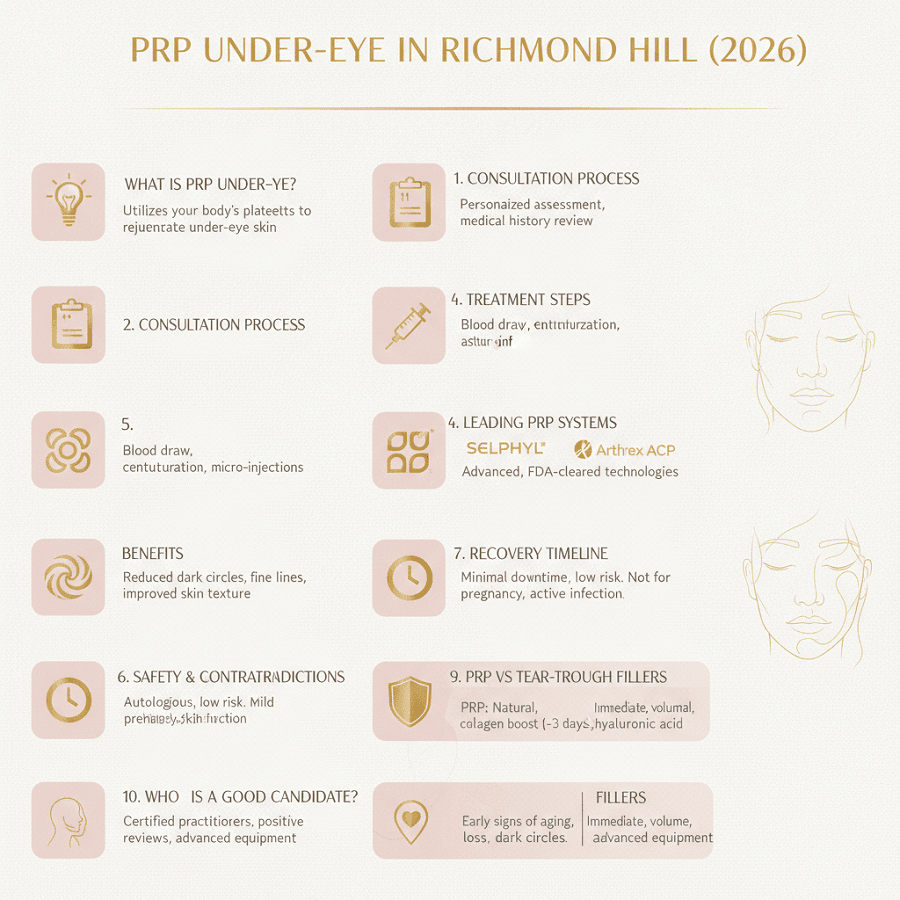
The PRP under-eye procedure is one of the most requested regenerative aesthetic treatments for improving dark circles, fine lines, and tired-looking eyes. Patients considering PRP under-eye in Richmond Hill can expect a personalized consultation, advanced facial assessment, and customized treatment plan designed to naturally stimulate collagen production while enhancing overall skin quality with minimal downtime.
The Consultation and Assessment Process
Every luxury clinic experience begins with a calm, detailed consultation.
Your provider reviews:
- Medical history for conditions like blood disorders or allergies
- Any medications that may impact healing
- Your unique goals and under-eye concerns
Personalized treatment plans aim for natural, radiant results—never one-size-fits-all.
Expect your provider to discuss realistic expectations: PRP can subtly improve crepiness or dark circles, but isn’t for deep hollowing.
“A tailored consultation ensures safety, beautiful outcomes, and peace of mind.”
—
Blood Draw & PRP Preparation: Sterility and Precision
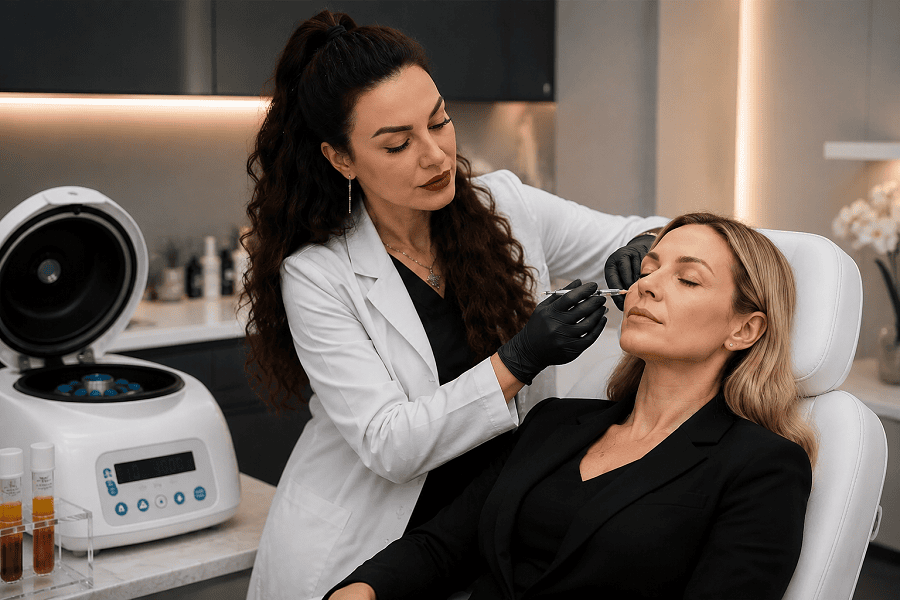
The process begins with a gentle blood draw, often less than 10 ml.
Key preparation steps include:
- Placing your blood immediately into a sterile tube
- Using either a single-spin (quick, moderate concentration) or double-spin (higher platelet yield, lower red cell contamination) centrifugation system
Sterility is the gold standard.
Clinics use hospital-grade hygiene and clinical protocols; after all, contamination risk must be nearly zero.
Trust and comfort are built into every step—from the gloves on your nurse’s hands, to the sealed, medical-grade equipment.
“Safety starts the moment your blood leaves your arm.”
—
Injection Technique and Patient Experience
The PRP is carefully re-injected using:
- Ultra-fine, short needles or microcannulas for minimal trauma
- Precise placement at a shallow depth just beneath the skin
Clinics often provide a topical or local anesthetic for client comfort.
Post-injection, you may notice:
- Mild swelling, redness, or bruising (most resolve within days)
- Subtle fullness rarely lasts beyond 48 hours
“Expect a refreshed look—never an overdone appearance.”
—
Recovery, Aftercare, and Timeline of Visible Results
Most clients experience:
- A calm return to baseline appearance within 3–7 days
- Peak benefits after 2–4 sessions, spaced 4–6 weeks apart
- Results that develop gradually and can last up to 12 months (with maintenance as desired)
Aftercare tips include:
- Avoiding makeup for 24 hours
- Gentle cooling compresses if needed
- No vigorous exercise or sun exposure for several days
Clients love that downtime is minimal and results boost confidence with almost no interruption.
—
Each step of the PRP journey—from careful consultation to gentle technique and supportive aftercare—reflects a commitment to your safety and naturally luminous results. For those seeking refreshed, well-rested under-eyes, personalized PRP offers subtle, lasting rejuvenation in the hands of true experts.
If you’re new to regenerative aesthetics, begin with our complete guide to PRP Meaning, where you’ll learn how platelet-rich plasma works, the science behind collagen stimulation, treatment applications, expected results, and why PRP has become one of the most trusted natural rejuvenation therapies available today.
PRP Under Eye Brands and Systems: What’s Available in 2026
Not all PRP under-eye treatments use the same preparation systems. Modern clinics offering PRP under-eye in Richmond Hill utilize premium centrifuge technologies that produce higher-quality platelet-rich plasma with improved concentration and consistency. Understanding the differences between PRP systems helps patients choose treatments backed by clinical evidence and reliable regenerative outcomes.
Leading Brands: SELPHYL, Arthrex ACP, and Beyond
Choosing the right PRP under eye system is often about clinical reliability and safety, rather than the label alone.
The two most widely recognized brands across luxury clinics in the GTA are:
- SELPHYL: Features a proprietary separation process, aiming to reduce chances of allergic response.
- Evidence base: SELPHYL is widely discussed in literature for aesthetic use, yet still lacks specific FDA/Health Canada approval for under-eye indications.
- Results: Results tend to be gradual and subtle, typically requiring a series of sessions to refresh under-eye texture.
- Arthrex ACP: Noted for generating PRP with around 2.5x baseline platelet concentration and minimal red blood cell contamination.
- Peer-reviewed support: Arthrex ACP is described in several published studies and is one of the best-studied systems in the global aesthetics field.
- Safety: A 2026 review found no significant increase in adverse events compared to controls, supporting its use in experienced hands.
You’ll also find emerging PRP technologies and advanced preparation systems, especially in high-end Toronto clinics, but most still use a variation of these core brands for optimal consistency.
Quick Visual Reference:
| Brand | Key Feature | Regulatory Status | Common Results |
|—————–|—————————————————–|——————————|—————————-|
| SELPHYL | Proprietary plasma separation, low allergy risk | Not FDA/Health Canada approved for under-eye | Subtle, multi-session results |
| Arthrex ACP | High platelet, low RBC, well-documented safety | Peer-reviewed, no specific under-eye approval | Well-tolerated, gradual changes |
What Brand Matters—and What Doesn’t—Under the Eyes
It’s crucial to know: no PRP brand has approval specifically for under-eye rejuvenation as of 2026.
Actual safety and outcome rely most on:
- Clinician expertise—proven skill in under-eye anatomy and sterile injection technique
- Meticulous sterile handling—reducing infection risk with gold-standard protocols
- Personalized protocols—adapting treatment to your unique skin and medical background
Luxury clinics in Richmond Hill and Toronto place quality above hype. Whether your PRP comes from SELPHYL, Arthrex, or another proven system, high standards include:
- Medical-grade sterility in every step
- Continuous staff education on evolving best practices
- Ongoing investment in clinically trusted technologies
Picture this: You enter a softly lit, pristine treatment suite where every instrument is single-use, every touch builds confidence, and every detail honors your safety and results.
Expect customized solutions, not just a brand name—because the true difference is in expert hands, not the vial.
For clients seeking refreshed, naturally luminous under-eyes, the brand of PRP is just one piece of a much larger commitment to safety and visible, lasting results.
Remember, “Elevate Your Natural Glow” is not just a tagline—it’s the promise woven into every step of advanced PRP care in 2026.
Safety, Risks, and Contraindications: A Calmed, Clinical Perspective
When performed by experienced medical professionals, PRP under-eye treatment has an excellent safety profile because it uses your own blood rather than synthetic materials. Patients seeking PRP under-eye in Richmond Hill should still understand potential side effects, recovery expectations, and medical conditions that may influence treatment eligibility to ensure safe, predictable results.
Short- and Long-Term Safety Profile
PRP under eye treatments are intentionally designed to be gentle, with a focus on safety and natural beauty.
The most common side effects are typically mild and short-lived, including:
- Swelling
- Bruising
- Redness
- Mild pain or discomfort
Most clients notice these symptoms resolve within days to about a week. For most, swelling and redness are subtle enough that daily activities can continue—think “faint morning puffiness” rather than dramatic change.
Rare but serious complications are possible if protocols aren’t strictly followed. These include:
- Infection (typically due to improper sterility)
- Complications from incorrect injection depth or location
- Unwanted contour changes if not placed carefully
“Your safety hinges on the training, precision, and hygiene standards of your clinic—not on the brand of PRP itself.”
Who Should Avoid Under-Eye PRP
Certain medical factors mean PRP isn’t for everyone. A thorough clinic assessment is not optional—it’s foundational.
Clinics screen carefully for:
- Ongoing blood thinners or clotting disorders
- Active skin infection, eczema, or skin cancer near the eyes
- Recent major illness, immunosuppression, or autoimmune disease
- Pregnancy or breast-feeding
- Allergy to any ancillary products used in preparation
Every luxury clinic embraces a proactive, personalized approach: you’ll always have an individualized risk review before moving forward.
“The best clinics say ‘Not now’ when the situation calls for caution.”
Informed Consent and Patient Empowerment
Trust, transparency, and education are core to luxury care.
Before your PRP session, expect:
- Clear explanation of risks, benefits, and realistic outcomes
- Walkthrough of sterile techniques and personalized protocols used for your safety
- Emergency protocols reviewed, with staff trained in complication management
Clinics in Richmond Hill and the GTA now adhere to 2026’s best practices in sterile handling and ongoing provider training.
Picture this: A calm, well-lit clinic, expert staff explaining every step, and a tailored consent process that puts you in control.
“Empowered patients ask questions and are part of every decision—your peace of mind is non-negotiable.”
In summary, safety in under-eye PRP is a blend of clinical expertise, modern protocols, and transparent patient partnership—all designed to support your confidence and lasting natural results.
Comparing PRP to Other Under-Eye Treatments: A Strategic Overview
Choosing between PRP under-eye, dermal fillers, laser treatments, or skin boosters depends on your skin quality, degree of volume loss, and aesthetic goals. Many patients considering PRP under-eye in Richmond Hill appreciate its regenerative approach because it improves skin health naturally rather than simply adding volume, making it an excellent option for subtle, long-term rejuvenation.
PRP vs. Tear-Trough Fillers
If you’re debating between PRP and tear-trough fillers, the difference starts with what you want to treat.
- PRP smooths fine lines, gently boosts skin texture and collagen, and may help with mild dark circles.
- Tear-trough fillers replace lost volume, fill hollowing, and instantly address eye bags for dramatic changes.
While PRP results are subtle and gradual, requiring multiple sessions and peaking in months, fillers show effects immediately, often lasting up to 12 months.
PRP is a biological option with minimal allergy risk, making it great for clients seeking a natural approach—but it won’t fix deep hollows.
Wondering which to choose? If your main issue is crepey texture or mild discoloration, PRP delivers; if it’s volume loss or prominent bags, filler may be the better fit.
PRP vs. PRF (Platelet-Rich Fibrin)
For those looking at regenerative options, PRP and PRF both leverage your blood’s growth factors, but their differences matter.
- PRF is prepared at lower speeds without additives, resulting in a fibrin matrix that slowly releases platelets for a more sustained effect.
- PRP typically delivers quicker, shorter-term results, while PRF may offer improvements that continue for weeks and appear more natural over time.
A 2026 comparative review found that PRF can have longer-lasting under-eye plumping and skin quality benefits, but both are safe and require skillful application.
PRP vs. Laser and Other Energy Devices
If pigmentation and texture top your list, consider laser or radiofrequency energy treatments.
- Lasers excel at targeting dark circles and surface irregularities.
- Radiofrequency or micro-needling devices pair best with PRP for advanced tightening and glow.
PRP is optimal when the goal is collagen replenishment and subtle refreshment—not dramatic pigment changes. Many luxury clinics recommend a combination approach for truly customized results.
Integrating PRP Into an Advanced, Individualized Treatment Plan
Visualize a tailored journey: start with PRP for skin health, then layer in fillers for volume or laser for pigment, based on your needs and timeline.
Luxury care means:
- Personalized protocols matched to each client’s unique under-eye architecture
- Combination therapies offered as part of a strategic, confidence-boosting plan
“Precision isn’t just a method; it’s the essence of natural beauty.”
Takeaway: PRP shines where gentle rejuvenation and safety matter most, but the best outcomes often blend multiple treatments—crafted uniquely for you, in step with clinical luxury and timeless confidence.
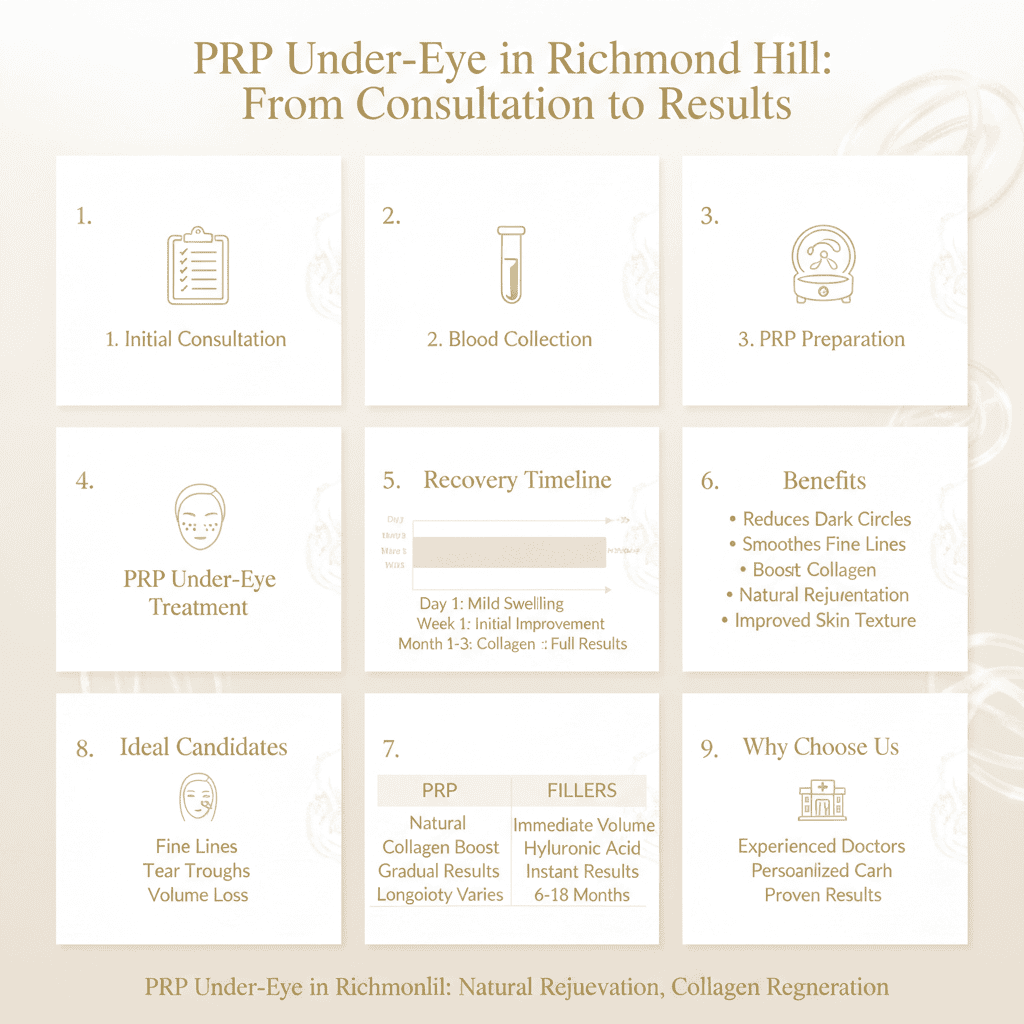
Choosing a PRP Under Eye Provider: Excellence, Trust, and Results
The quality of your PRP under-eye results depends as much on practitioner expertise as the treatment itself. When researching PRP under-eye in Richmond Hill, choose a clinic that combines advanced PRP technology, medical expertise, personalized consultations, and transparent patient education to deliver safe, natural-looking rejuvenation with exceptional care.
How to Evaluate a Luxury Clinic for PRP
Choosing the right clinic means seeking out clinical professionalism, strict hygiene, and transparent care.
Key signs you’re in the right hands:
- Detailed consultation process with assessment of your health, goals, and contraindications
- Clinician credentials: board-certified providers with clear PRP training and experience
- Visible adherence to sterility protocols—from lab-grade equipment to gloved preparation
- Use of reputable PRP brands like SELPHYL or Arthrex ACP, but always paired with customized patient protocols
- Impeccable treatment suites: think white, cream, and charcoal gray spaces that reflect trust and tranquility
You’ll want to see a clinic’s reputation backed by glowing testimonials and before/after results, not just glossy branding.
“Luxury is about trust and quality, not just aesthetics.”
Setting Expectations: What Personalized Care Truly Looks Like
Personalized care starts with a thorough initial consultation, where your unique under-eye anatomy, skin health, and goals drive the plan.
Expect:
- Clear, honest conversations about outcomes and safety—never over-promising results
- A custom treatment protocol, outlining number of sessions, aftercare routines, and realistic timelines
- Ongoing follow-up: leading clinics check in on your progress, respond swiftly to concerns, and adjust treatments as needed
Empowerment means every step is explained, risks are addressed, and you feel in control of each decision.
“Our goal: Subtle, natural rejuvenation—never an artificial look.”
Testimonials and Case Studies
Picture this: “After three PRP sessions, my eyes looked brighter, healthier, and years younger—without anyone asking if I’d ‘had work done.’”
Clients share:
- Noticeably refreshed under-eyes with minimal downtime
- Gradual results that boost confidence and suit their natural features
- Stories of seamless care, attentive providers, and a luxury experience from start to finish
Luxury clinics like Forouz Beauty make safety and trust a visible part of everyday care—where expertise and ethical reassurance matter as much as the end result.
Ultimately, choosing the right PRP provider means prioritizing clinical excellence, personalized service, and a results-oriented, caring approach that enhances both your appearance and your peace of mind.
Conclusion
Choosing PRP for your under-eyes is more than a beauty trend—it’s a commitment to refined, natural rejuvenation that honours your individuality and well-being.
With advanced systems, medical-grade protocols, and a focus on personalized luxury care, today’s clinics can help you unveil a brighter, more refreshed gaze—gently and safely.
—
Key Takeaways:
- Prioritize a luxury clinic with a reputation for client care, safety, and proven PRP experience.
- Expect gradual, natural-looking results—multiple sessions deliver the most impact without compromising authenticity.
- Trust only board-certified providers using sterile technique and reputable brands like SELPHYL or Arthrex ACP.
- Insist on a detailed consultation—your unique under-eye anatomy and goals deserve a tailored approach.
- Remember, safety is non-negotiable; proper assessment and transparent communication are the foundation of visible, confident outcomes.
—
Next Steps:
- Schedule a personalized consultation to explore whether PRP under eye treatments match your skin goals.
- Prepare your questions—ask about clinician credentials, sterility, PRP systems, and aftercare protocols.
- Reflect on your desired results: subtle radiance and improved skin texture over dramatic changes.
—
Timeless beauty is about revealing, not reinventing, your natural glow. The right clinic walks with you, blending science, artistry, and care—so you can meet every day with refreshed confidence and exquisite simplicity.
Ready to elevate your natural glow? Your journey to luminous, well-rested eyes begins with a single, empowered step.
For evidence-based information about platelet-rich plasma and regenerative medicine, visit the American Society of Plastic Surgeons (ASPS). Their educational resources explain PRP procedures, safety standards, treatment expectations, and patient guidance based on current clinical research.
FAQs
Is PRP under-eye safe?
Yes. PRP under-eye treatment is considered very safe because it uses your own platelet-rich plasma, reducing the risk of allergic reactions or rejection when performed by qualified medical professionals.
How long do PRP under-eye results last?
Most patients enjoy results for 12–18 months after completing the recommended treatment series, although maintenance sessions help prolong collagen production.
How many PRP under-eye treatments are recommended?
Most providers recommend 3 treatment sessions spaced 4–6 weeks apart for optimal collagen stimulation and visible improvement.
Does PRP under-eye help dark circles?
Yes. PRP under-eye treatments can improve dark circles caused by thin skin, poor circulation, and collagen loss while enhancing overall skin texture and brightness.
Is PRP under-eye better than fillers?
It depends on your concerns. PRP under-eye naturally improves skin quality and collagen production, while tear-trough fillers primarily restore lost volume. Many patients benefit from a customized combination approach.
Why choose PRP under-eye in Richmond Hill?
Choosing PRP under-eye in Richmond Hill allows patients to access experienced aesthetic professionals, advanced PRP preparation systems, personalized treatment plans, and modern regenerative technologies focused on natural-looking results.
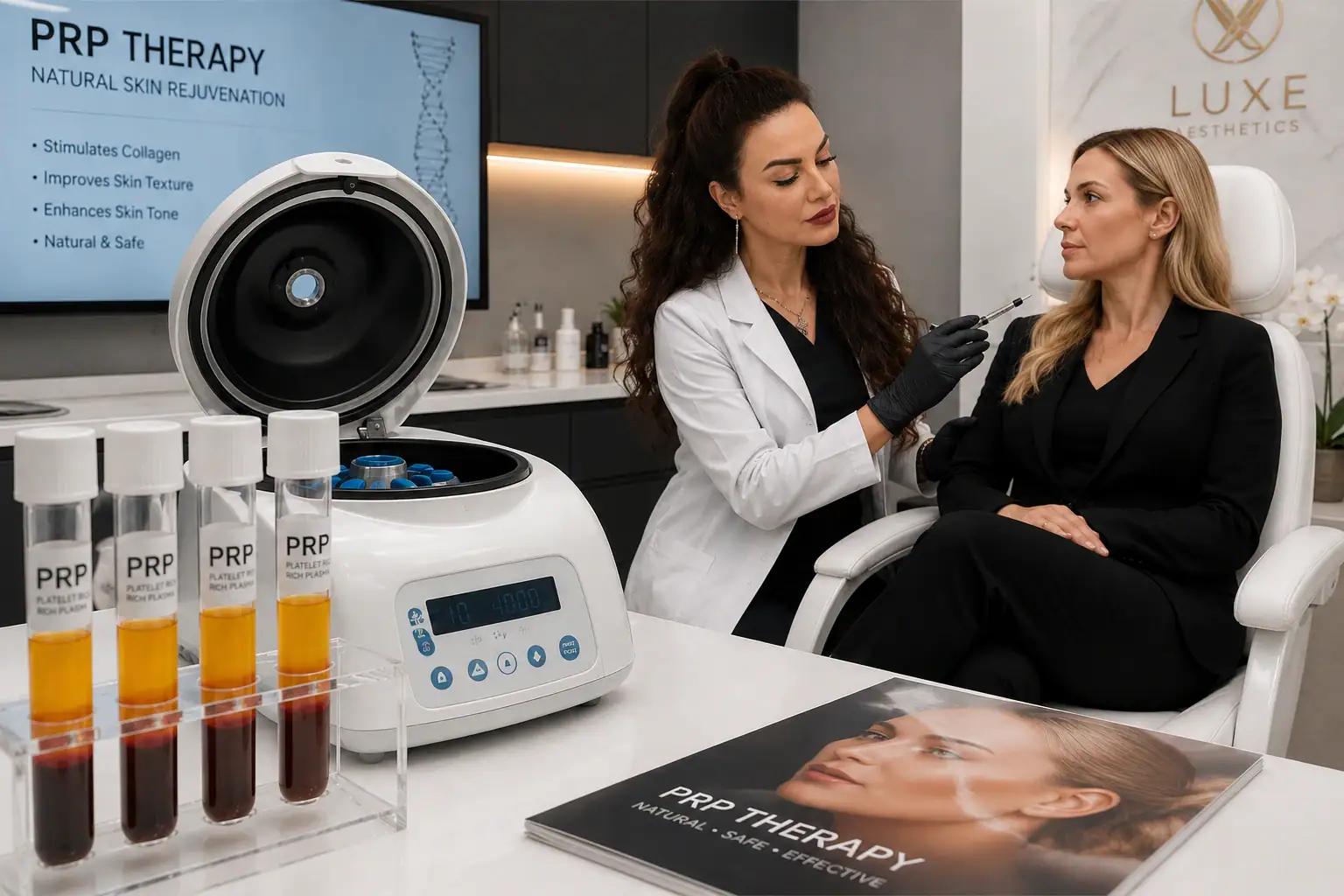
What Is PRP? Platelet Rich Plasma Meaning & Uses
Platelet Rich Plasma Meaning refers to a regenerative medical treatment that uses a concentrated portion of a patient’s own blood to support healing, collagen production, and tissue repair. Commonly known as PRP therapy, this innovative procedure has become increasingly popular for hair restoration, skin rejuvenation, and wellness treatments. Understanding the Platelet Rich Plasma Meaning helps patients make informed decisions about whether this natural treatment is right for their aesthetic or medical goals.
Ready to move from reading to treatment? You can book a PRP hair treatment in Toronto with Forouzan at her Richmond Hill studio.
- PRP is a natural, autologous treatment—crafted from your own blood and concentrated to deliver 3–5× higher platelet levels, supporting safe and effective rejuvenation.
- Precision preparation and expert application matter—luxury clinics use sterile, personalized protocols to maximize both safety and results in every treatment.
- PRP is clinically proven for a range of uses: from joint and tendon pain relief to hair regrowth and refined skin texture, often reducing downtime versus traditional therapies.
- Personalized protocols drive best results—factors like leukocyte levels, session frequency (typically 2–3), and individualized plans ensure outcomes tailored to your goals.
- Safety is exceptional—PRP’s use of your own plasma means minimal allergy risk and mild, short-term side effects like swelling are the norm when trusted experts deliver your care.
- Expect visible improvements—clients often notice smoother skin, fuller hair, or lasting pain relief within weeks, with continued enhancement over 3–6 months.
- PRP fits seamlessly into holistic luxury care—combine it with microneedling, facials, or other advanced therapies for a comprehensive, radiant transformation.
- Invest in your natural glow confidently—choose clinics devoted to client care, safety, and meticulous artistry for results that empower and celebrate your authentic beauty.
Explore the full guide to see how PRP can elevate your beauty journey—tailored for you, trusted by professionals, and designed to reveal your timeless radiance.
Platelet Rich Plasma Meaning: Benefits, Uses, and Treatment Applications
Imagine transforming a small sample of your own blood into a powerful, personalized serum—one that can jumpstart your body’s natural healing and visibly enhance your skin or hair.
For discerning clients across Richmond Hill and the GTA, Platelet-Rich Plasma (PRP) isn’t just a science breakthrough; it’s the foundation of modern, luxury self-care. PRP has quickly become a sought-after solution thanks to its remarkable blend of elegance, safety, and clinically proven results—all without surgery or artificial substances.
What sets PRP apart isn’t just the technology. It’s the unique way this therapy is tailored to your individual needs and delivered with the utmost focus on:
- Natural-looking results that illuminate your authentic beauty
- Highest clinical safety—derived from your own blood, with very low risk of allergy or reaction
- Minimal downtime, making real transformation fit seamlessly into busy lifestyles
- Personalized, attentive care—from the moment you walk into a serene, professionally run clinic
Curious about how a process as simple as a blood draw can lead to softer skin, fuller hair, or a more confident recovery after injury? PRP takes what is already uniquely yours and refines it through precise protocols, ensuring every treatment is both safe and exquisitely customized.
Over the next sections, you’ll discover:
- What PRP actually is—and the science behind its regenerative power
- How the luxury preparation process ensures sterility, accuracy, and outstanding results
- The most trusted medical and aesthetic uses—from joint pain to radiant skin and hair renewal
- Key safety facts, evidence, and what to expect at every stage of your experience
Whether you’re considering PRP for the first time or seeking the latest in tailored beauty care, you’re about to learn how this innovative therapy can elevate your natural glow with total confidence.
Experience the science, artistry, and calm expertise that set PRP—and your care—apart; discover what makes this treatment an emblem of timeless, natural beauty.
Understanding Platelet Rich Plasma (PRP): Scientific Foundations
Platelet-rich plasma (PRP) is an autologous concentrate—meaning it’s derived from your own blood and tailored for your individual care.
This concentrated plasma contains 3–5 times the usual platelet count, resulting in a powerful biologic therapy that harnesses your body’s natural healing abilities.
“Picture this: a sample of your blood transformed into a healing serum as unique as your fingerprint.”
How PRP Is Created: From Blood Draw to Concentrate
PRP begins with a simple blood draw, typically collecting 10–60 mL.
Through a technique called centrifugation, the blood is gently spun to separate and concentrate platelets and plasma, while removing most red and white blood cells.
- Platelets: Essential for clotting and tissue renewal
- Growth Factors: Including PDGF, TGF-β, VEGF, EGF, and IGF, which modulate repair, reduce inflammation, and boost new cell growth
- Cytokines: Messenger proteins that help shape the healing process
These healing elements are behind PRP’s reputation for supporting recovery in both medical and beauty treatments.
PRP’s Role: Regenerative Medicine & Orthobiologics
PRP stands at the forefront of regenerative medicine, an approach that encourages natural repair rather than masking problems.
As an orthobiologic therapy, PRP aligns with your body’s rhythm, promoting safer, minimally invasive recovery with a very low risk of allergic reaction—because it’s all you.
This is why PRP is especially valued in clinics focused on safety, personalization, and biocompatibility.
“PRP doesn’t introduce foreign substances; it simply unlocks what your body does best—heal itself.”
What Sets PRP Apart From Similar Therapies?
PRP is not stem cell therapy—there are no added cells, just purely concentrated platelets and plasma.
You may also see terms like plasma-rich growth factors (PRGF), but PRP’s defining feature is its high platelet concentration and the synergy of healing proteins it offers.
- PRP: 3–5+ times normal platelets, versatile for joints, skin, and hair
- Stem Cell Therapy: Adds new cells, studied for advanced regeneration
- PRGF: Focuses on growth factors with slightly different preparation
The composition of PRP can vary based on the device and protocols used, affecting what it can do and how quickly results may appear.
A luxury PRP experience values not just potency but precise preparation, sterile technique, and attentive customization for every client.
PRP therapy redefines “natural” by offering a way to heal and enhance with nothing more than what your own body provides—elegant, effective, and beautifully safe for real-world results.
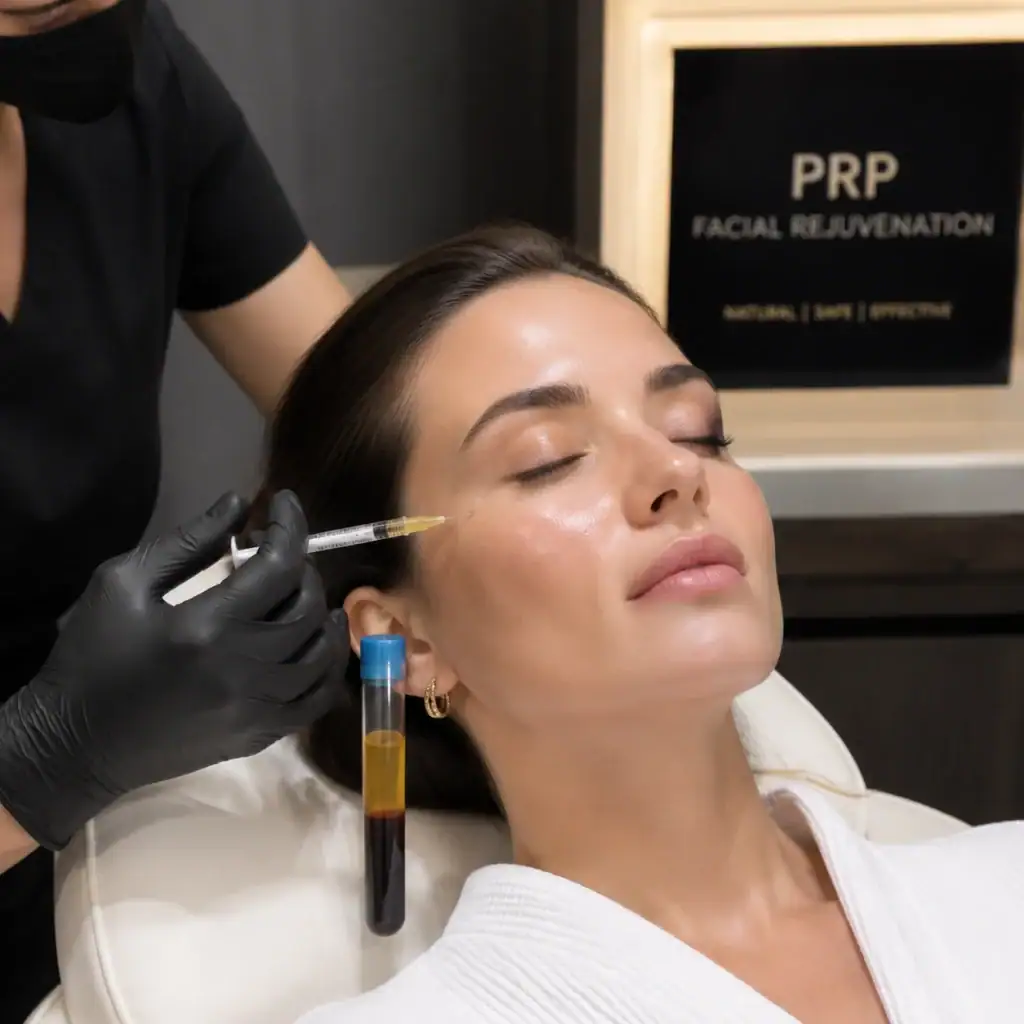
The PRP Preparation Process: From Blood Draw to Clinical Application
The journey from your own blood to revitalized tissue is at the heart of Platelet-Rich Plasma (PRP) therapy. Every detail—every movement, every drop—is guided by luxury clinic standards, ensuring both exceptional safety and natural, radiant results.
Step-by-Step: Crafting PRP with Precision
The process is elegantly simple, yet highly sophisticated:
- Personalized Blood Draw:
- A specialist draws 10–60mL of your blood—just enough for transformation, always with your comfort in mind.
- All needles and collection equipment are sterile and single-use.
- Centrifugation:
- The blood is spun in a specialized centrifuge, carefully separating plasma and concentrating platelets up to 3–5× higher than normal levels.
- This step leaves behind most red and white cells, maximizing the healing elements.
- Enrichment & Purification:
- Some preparations adjust the white cell (leukocyte) content, tailoring PRP for specific uses—“leukocyte-rich” for injuries, “leukocyte-poor” for aesthetics.
- Sterile Preparation:
- Meticulous handling keeps everything sterile, ensuring both client safety and the highest quality concentrate.
- Every touchpoint adheres to strict protocols for luxury, hygiene, and precision.
“Picture this: a vial of your blood becomes an elegant solution, refined and renewed, ready to spark your natural glow.”
Methods of PRP Application
Your PRP is carefully administered based on your personal goals and area of treatment:
- Targeted Injections: Precisely delivered into joints, scalp, or soft tissues using fine needles—often with ultrasound guidance for accuracy and comfort.
- Topical Applications: Spread gently over skin, especially in rejuvenating facial treatments or after microneedling.
- Advanced Guidance Techniques: Used for deep tissues where precision is paramount.
Why Skilled Providers and Hygiene Matter
- Only trained specialists with artistry and clinical knowledge should manage PRP—maximizing benefits and minimizing risk.
- Clinics committed to exquisite hygiene and patient care safeguard your experience from start to finish.
“Expert handling at every stage means your own vitality is elevated—never compromised.”
From the blood draw to your final application, every step in the PRP journey is designed for safety, excellence, and personalized beauty. The process is as much about trust as it is about transformation—giving you confidence in both results and experience.
Core Medical and Aesthetic Uses of PRP: Evidence and Clinical Rationale
Precision Care in Musculoskeletal and Sports Medicine
PRP therapy stands out as a trusted choice for clients seeking relief and recovery from musculoskeletal injuries.
Picture this: athletes and active individuals turning to PRP for non-surgical management of:
- Chronic tendon and ligament injuries (tennis elbow, rotator cuff tears, jumper’s knee, Achilles tendinopathy)
- Joint pain and soft tissue injuries—especially in the knees, hips, shoulders, and ankles
- Osteoarthritis, with the strongest evidence for mild to moderate knee OA, sometimes outperforming cortisone and hyaluronic acid injections in durability
- Muscle strains, tears, and ligament sprains
- Adjunct support for surgical healing in orthopedics
Clients can expect a natural approach—accelerating healing and often reducing downtime compared to traditional therapy.
“PRP focuses on restoring movement, comfort, and confidence without major interventions.”
Bone, Dental, and Surgical Healing: Enhanced Regeneration
Beyond sports, PRP’s regenerative properties are revolutionizing healing in surgical and dental settings.
Key applications include:
- Bone regeneration for spinal fusion, bone defects, and dental implant surgery
- Support for oral/maxillofacial, plastic, and reconstructive surgeries
- Promoting soft-tissue repair and healthier, faster surgical wound healing
- Used in synergy with other therapies for even greater impact
These uses highlight PRP’s place at the intersection of safety, clinical excellence, and personalized care.
Aesthetic Dermatology & Hair Restoration: Natural Beauty, Amplified
For clients prioritizing a luxurious yet natural aesthetic, PRP offers artistry backed by science:
- Androgenetic alopecia (hair loss): PRP has shown to stimulate hair regrowth and reduce shedding for men and women, both as a stand-alone treatment and after transplantation
- Skin rejuvenation and scarring: PRP can brighten and refine skin texture, with especially promising results when paired with microneedling
- Wound care: PRP is used to accelerate healing in chronic wounds and ulcers
Picture softer, revitalized skin and fuller hair—achieved with your body’s own healing factors.
“Experience radiance and confidence, restored from within.”
Emerging and Investigational Frontiers
PRP’s future is even more exciting, with ongoing research expanding its reach to:
- Chronic pain management and select proctology conditions
- Advanced tissue engineering—using biomaterial scaffolds for next-level regenerative medicine
- Integrative protocols in beauty and wellness
The possibilities continue to grow as clinical studies unlock new applications.
When you invest in PRP, you’re choosing a path backed by evidence, artistry, and a dedication to enhancing natural beauty and lifelong wellness. Every treatment reflects meticulous care—tailored to your needs and your future glow.
PRP Effectiveness and Safety: What Clients Need to Know
Platelet Rich Plasma and modern PRP therapy continue to gain popularity because they combine regenerative aesthetics with a strong safety profile, making them attractive options for clients seeking natural-looking improvements.
Evidence, Protocols, and What to Expect
Platelet-rich plasma (PRP) has earned its place in clinics as a versatile, science-backed option for select conditions, especially where traditional treatments fall short.
Clients see the best results in these areas:
- Tendinopathies (e.g., tennis elbow, jumper’s knee)
- Mild to moderate knee osteoarthritis (studies show PRP offers more lasting relief than cortisone for some clients)
- Certain aesthetic applications (like hair restoration and dental healing)
Current evidence is more limited for:
- Severe or advanced arthritis
- Complete tendon tears
- General anti-aging claims (wrinkle reduction and overall skin rejuvenation)
Picture this: Many clients report noticeable pain relief, increased function, and improved hair thickness within weeks of treatment—though full benefits may take several months and require more than one session.
Quotable insight: “PRP works best when tailored to your needs, from the number of sessions to the method of preparation.“
Variables That Influence Results
How your PRP is made and given really matters.
Key protocol variables include:
- Leukocyte-rich vs. leukocyte-poor PRP: Different cell counts may work better for different conditions.
- Volume of injectate: Typical PRP treatments use 3–5× normal platelet concentration per session.
- Session frequency: Best results often come from 2–3 treatments spaced several weeks apart.
Most importantly, outcomes improve when experienced clinicians customize protocols for your specific goals.
Shareable scenario: “Imagine a personalized care plan—your own blood, concentrated and expertly applied for natural healing—designed just for you.”
PRP Safety, Risks, and Provider Expertise
PRP stands out for its biocompatibility and low allergy risk since it comes directly from your own blood.
Most clients experience only:
- Mild swelling or bruising
- Temporary soreness or stiffness (especially after joint or scalp injections)
Serious complications are rare but may include:
- Infection
- Nerve or tissue injury
Strict hygiene, clinical screening, and expert technique keep these risks extremely low.
Pro insight: “A reputable provider will always emphasize safety, meticulous clinical standards, and client-tailored care, ensuring your comfort at every step.“
If you value results that look and feel natural, PRP offers an elegant blend of innovation and restoration, trusted in both medical and luxury beauty settings. Always discuss expectations and personal suitability during your consultation to maximize benefits and ensure a seamless, confidence-boosting experience.
The Role of PRP in Luxury, Personalized Beauty and Medical Care
Platelet Rich Plasma (PRP) elegantly bridges high science and natural beauty, offering clients a sophisticated pathway to visibly rejuvenated skin, fuller hair, and improved confidence.
This approach aligns seamlessly with the philosophy of personalized enhancement: celebrating your unique features rather than masking them.
Imagine stepping into a tranquil, light-filled clinic where every detail—from the soothing color palette to immaculate clinical protocols—reflects a commitment to quality, safety, and a flawless experience.
Many patients interested in Platelet Rich Plasma begin their journey through hair loss treatments. If you’re exploring solutions for thinning hair, learn more about our PRP Hair Restoration services to discover how platelet-rich growth factors can support healthier, fuller-looking hair growth.
How PRP Embodies Luxury and Personalization
Clients in Richmond Hill and across the GTA increasingly seek minimally invasive solutions that require little downtime yet yield natural-looking results.
PRP delivers key advantages:
- Minimally invasive, no-surgery approach: Little to no downtime, so you can return to your daily routine quickly.
- Tailored treatment: Each PRP session is customized to your goals, whether that’s restoring hair, smoothing skin, or supporting healing.
- Autologous & safe: It uses your own blood—reducing allergy risk and supporting the body’s natural healing.
Luxury clinics further elevate care by blending:
- Expert practitioners with advanced training in both aesthetic artistry and clinical technique
- Meticulous safety and hygiene aligned with global best practices
- Continuous support: Personalized follow-up, education, and aftercare at every touchpoint
Science Meets Artistry in Modern PRP Care
PRP is much more than a trend—it is a clinically validated, biologic therapy trusted by leading medical and beauty professionals.
Thousands of clients are choosing PRP for:
- Soft tissue healing and collagen renewal after cosmetic procedures
- Volumizing and smoothing facial treatments for a more radiant glow
- Promoting hair regrowth with evidence-based protocols (notably, studies show up to 35% increased hair density with multiple PRP sessions)
Picture this: You relax in a serene, softly gold-lit treatment room as your personalized PRP is prepared—each step precise, hygienic, and focused solely on your comfort and safety.
Confidence Through Care—A Modern Approach
At the heart of luxury PRP treatments is a promise: empowering your confidence, naturally.
This service is often combined with:
- Advanced skincare regimens for layered rejuvenation
- Supportive therapies (microneedling, light peels) to boost results
The beauty of PRP is its versatility—it’s not a “one size fits all” treatment, but a tailored, clinically-backed solution for your aesthetic goals.
Luxury PRP treatments restore your natural glow while honoring your individuality—elevating self-assurance, inside and out.
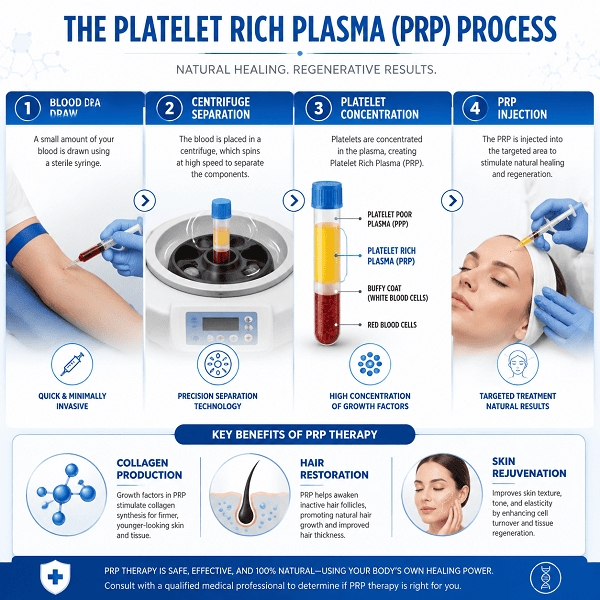
Frequently Asked Questions and Client Guidance
Curious about what PRP can do for you? Here are answers to the questions clients ask most—and guidance you can use right away.
Expect to see initial results with PRP—such as reduced swelling, improved texture, or early signs of hair regrowth—within 2 to 6 weeks after your first treatment.
Visible improvements often continue for 3 to 6 months, especially for skin and hair applications, as growth factors work gradually.
—
What Results Can I Expect, and How Soon?
- For joint and tendon treatments: Noticeable relief can develop within 4–8 weeks as inflammation calms and tissue repair begins.
- For hair restoration clients: Look for new growth and reduced shedding around 3 months, with optimal results visible by 6–12 months.
- For skin rejuvenation: Smoother, brighter skin may be seen after just 1–2 sessions, but best texture improvement occurs over a series of treatments.
Memorable Quote:
“PRP is about empowering your own body to reveal visible changes—gradually, naturally, beautifully.”
—
Duration, Maintenance, and Protocols
- Most benefits last from 6 months to 1 year, depending on area treated and your lifestyle.
- Maintenance treatments—such as every 6–12 months for skin or hair—help sustain results.
- Multiple sessions (often 3 initial treatments) are common for optimal outcome.
Picture this:
A client in Richmond Hill completes a three-session PRP hair series—by her next birthday, she sees fuller hair and feels more confident at every event, revitalizing her look naturally.
—
How Does PRP Fit Into Comprehensive Care?
- Combine PRP with skincare, medical therapies, or cosmetic injectables for a holistic approach.
- Many clients layer PRP with hydrating facials, microneedling, or laser for enhanced radiance.
- PRP is an excellent non-surgical alternative when you want visible results without downtime.
Quotable Insight:
“Think of PRP as a luxury therapy—safe, natural, and tailored for timeless, authentic results.”
—
Comparing PRP: Is It Right for You?
- PRP stands out by using your own plasma, reducing allergy risk compared to fillers or other injectables.
- For arthritic joints, some studies show PRP outperforms cortisone for lasting relief in mild-to-moderate cases.
- For facial rejuvenation, PRP is more gradual but delivers cumulative, skin-enhancing effects.
—
Setting Realistic Expectations
- Results vary by individual and indication—hair, joints, and skin each respond differently.
- PRP thrives in well-selected, healthy clients who commit to follow-up and realistic goals.
- Always discuss your history and medications to ensure a safe, custom treatment plan.
Empowering Takeaway:
PRP is a personalized therapy—the most beautiful, lasting changes happen when you invest in your body’s natural potential.
—
Your journey with PRP is unique, luxury care designed for you. With realistic timelines and expert guidance, every step is supported—so you can elevate your natural glow with total confidence.
Conclusion
PRP therapy is more than a trend—it’s a sophisticated, science-backed path to lasting beauty and confident well-being. By embracing what your own body can do, you elevate not only your appearance but your inner sense of self-assurance.
This is modern luxury: personalized care that looks as radiant as it feels—always tailored to your unique goals, comfort, and natural glow.
—
Here’s how you can step confidently toward your best results:
- Book a consultation with an experienced provider who values safety, artistry, and individualized attention.
- Set realistic goals with your specialist—discuss your vision for skin, hair, or joint health and co-create a custom treatment plan.
- Commit to your protocol: Consistency matters—schedule your recommended series of sessions and follow aftercare advice for the fullest benefit.
- Pair PRP with complementary therapies (like microneedling or skincare) to amplify your results for truly radiant skin and hair.
- Prioritize clinics known for their hygiene, transparency, and dedication to client empowerment.
—
Ready to start?
- Reach out to a trusted clinic and ask about PRP options tailored for you.
- Prepare questions about technique, safety, and expected outcomes—your confidence begins with knowledge and partnership.
- Explore combining PRP with other therapies that complement your individual beauty journey.
—
When you choose PRP, you’re investing in timeless beauty—an experience where expertise, safety, and your natural potential unite.
Your glow is uniquely yours—let your story shine, elevated by care that’s as exceptional as you are.
For evidence-based information regarding regenerative cosmetic procedures and patient safety, visit the American Academy of Dermatology.
FAQ
What is the Platelet Rich Plasma Meaning?
The Platelet Rich Plasma Meaning refers to a treatment that uses concentrated platelets from a patient’s blood to support healing, collagen production, and tissue regeneration.
Why is understanding Platelet Rich Plasma Meaning important?
Understanding Platelet Rich Plasma Meaning helps patients learn how PRP therapy works, what results to expect, and whether the treatment aligns with their health and aesthetic goals.
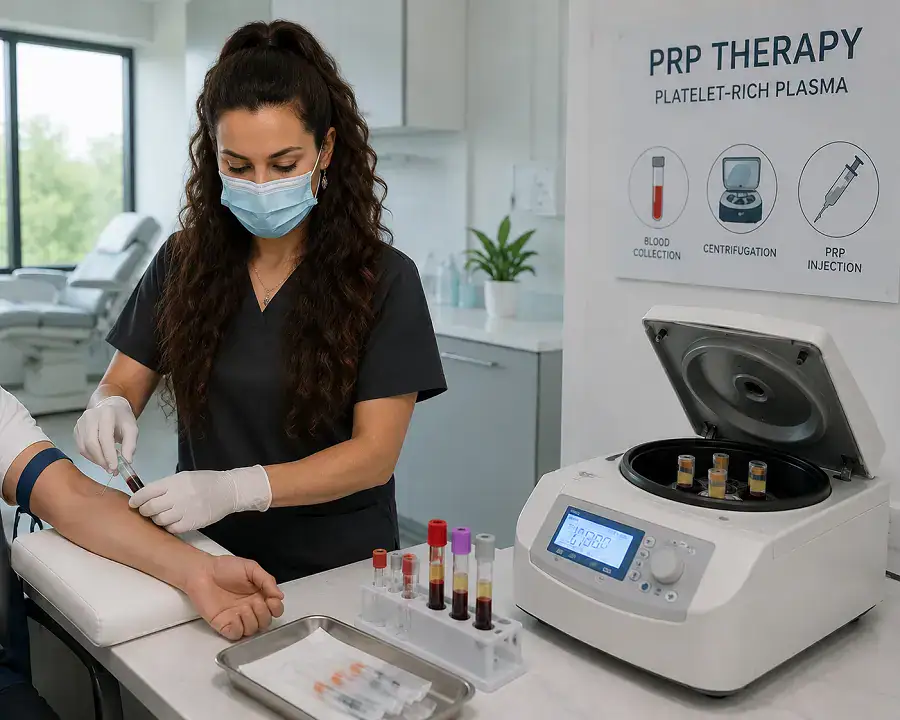
PRP Therapy Explained: Purpose, Benefits, and Eligibility 2026
Discover the essentials of Platelet-Rich Plasma (PRP) therapy—a trusted, natural approach designed to enhance healing, restore function, and elevate your natural beauty with clinical precision. These highlights distill everything you need to know to make informed decisions about PRP, from benefits and eligibility to safety and cost.
Forouzan performs PRP hair treatment in Toronto and across the GTA from her Richmond Hill studio — see sessions, costs and what to expect.
- PRP therapy harnesses your own blood’s healing factors through a gentle process, concentrating platelets and growth factors for targeted, minimally invasive treatment.
- Evidence-backed for mild to moderate knee osteoarthritis and chronic tendon pain, PRP delivers meaningful pain relief and improved mobility for 3–12 months, helping many clients delay or avoid surgery.
- Cosmetic uses like hair restoration and facial rejuvenation are growing in demand, though they’re considered elective luxury treatments and not generally covered by insurance.
- Safety and hygiene are paramount—with complication rates under 0.1%, PRP offers an exceptionally safe, low-allergy profile when administered by trained professionals in sterile settings.
- Ideal candidates include adults with persistent joint or tendon pain who have tried standard treatments; strong exclusions are active cancer, current infections, or significant bleeding disorders.
- Costs typically range from $500–$1,500 per injection on a self-pay basis; insurance rarely covers PRP except for limited research indications, so financial planning is key.
- Luxury clinics like Forouz Beauty pair evidence-based protocols with personalized care—ensuring every treatment supports natural confidence, safety, and visible results uniquely tailored to you.
- The regulatory and research landscape is evolving fast; PRP remains “investigational,” but new studies show superior short-term relief in select conditions, driving rapid growth in trusted clinics.
Ready to explore PRP therapy and discover if it’s the right fit for your goals? Dive into the full article for expert insights, luxury care standards, and a stepwise guide to unlocking your timeless, natural glow.
Introduction
Imagine a therapy that gently uses your own blood to relieve chronic pain, renew thinning hair, or accelerate healing—all without harsh chemicals or surgery.
For clients across Richmond Hill, Toronto, and the GTA searching for visible results and authentic confidence, PRP (platelet-rich plasma) therapy is redefining what modern beauty and wellness care can be.
You may have heard buzzwords like “vampire facial” or seen headlines about PRP restoring movement and comfort in people sidelined by joint pain or long-term injuries.
But beneath the glamour and media attention is a refined, evidence-based treatment offering:
- Natural, minimally invasive relief for joint and tendon pain
- Restored hair density and healthier scalp appearance
- Accelerated recovery from persistent wounds or diminished senses
So why has PRP become the trusted choice for safety-focused clients and those wanting results that look and feel natural?
The answer is simple: PRP puts your body’s innate healing potential at the center—tailoring each treatment to you, with clinical rigor and a deep commitment to care, hygiene, and results.
At Forouz Beauty, you’ll experience calm, professional luxury in a space where every detail—from gentle technique to bright, serene atmosphere—reminds you that true beauty is timeless, personal, and grounded in trust.
In the next sections, we’ll reveal how PRP works, who truly benefits, and why this therapy could be your next step toward confidence, relief, and renewed radiance.
Step inside the science, safety, and artistry behind PRP—and see how modern regenerative care can beautifully align with your story.
What Is PRP Therapy? Foundations and Mechanisms
Platelet-rich plasma (PRP) therapy is a natural, minimally invasive treatment created from your own blood.
During the process, a small amount of blood is gently drawn and spun in a centrifuge—a clinical device that separates blood components by density.
The end product is PRP, a golden, concentrated plasma rich in healing factors.
Components of PRP: Nature’s Regeneration Elixir
PRP’s restorative power comes from a blend of three main elements, each with a unique role:
- Platelets: Specialized cells best known for blood clotting, but also potent in tissue repair.
- Growth factors: Bioactive proteins released by platelets that accelerate healing and signal tissue regeneration.
- Cytokines: Cellular messengers that coordinate the body’s repair response to injury.
Together, these factors promote cellular healing, reduce inflammation, and stimulate the body’s own regenerative capabilities.
The Clinical PRP Process: Precision Meets Care
The preparation and delivery of PRP follow meticulous protocols that reflect the highest standards of safety and professionalism.
Here’s how a typical PRP session unfolds:
- Blood draw: 10-30 ml is taken, similar to a routine lab test.
- Centrifugation: The blood is separated to concentrate the platelets—resulting in plasma with 3-6x baseline platelet levels.
- Injection: Prepared PRP is injected into the targeted area (joint, tendon, or skin) using sterile technique.
Safety protocols are paramount, including:
- Single-use sterile equipment to prevent infection.
- Personalized preparation to ensure the highest quality PRP.
- Licensed clinical staff with advanced training.
Medical vs Cosmetic Use: Focused on Lasting Results
PRP’s primary clinical purpose is to treat medical conditions such as knee osteoarthritis, tendon injuries, and wound healing—with expanding research in hair loss and post-viral anosmia.
Cosmetic applications, including facial “vampire” treatments and hair restoration for beauty enhancement, remain outside the definition of medical necessity.
Timeless Beauty, Tailored for You: At Forouz Beauty, PRP is offered as part of a commitment to care, excellence, and natural confidence.
For a deeper dive into the biologic science and evolving uses of PRP, explore our expert resource: What Is PRP? Platelet Rich Plasma Meaning & Uses.
A simple truth: PRP therapy draws on your body’s own potential for renewal, making it a safe, elegant choice for carefully selected clients seeking authentic, lasting benefits.
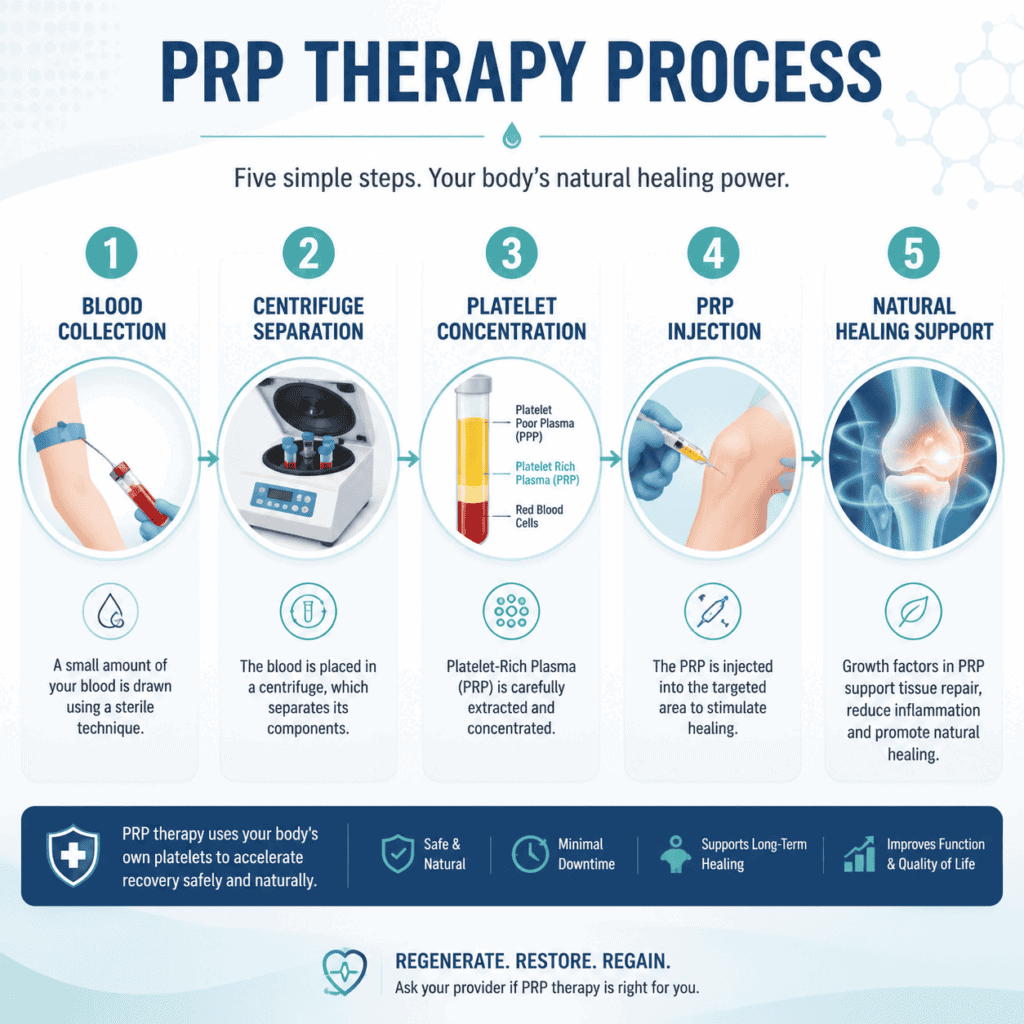
Core Purposes and Clinical Applications of PRP
Platelet-rich plasma (PRP) therapy is redefining non-surgical care across multiple medical and beauty settings.
This sophisticated, minimally invasive treatment leverages your body’s own healing properties, offering hope where standard care may have plateaued.
“Think of PRP as an individualized boost—tailored for your body’s natural recovery and radiance.”
Medically Recognized Uses
PRP is most commonly used in the following clinically supported conditions:
- Musculoskeletal pain and injuries:
- Knee osteoarthritis (OA) (especially mild to moderate)
- Tendinopathies such as tennis/golfer’s elbow, Achilles tendinitis, rotator cuff, and plantar fasciitis
- Chronic joint pain or ligament strains (e.g., sprained ankles)
- Chronic non-healing wounds:
- Diabetic, venous, and pressure ulcers (mainly in controlled research or specialty settings)
- Emerging and highly requested areas:
- Restoration of smell (anosmia)—including post-viral or post-trauma, with recent studies showing some patients were 12.5 times more likely to recover with PRP
- Hair loss solutions—from male pattern hair loss to supporting results after hair transplant procedures, fueling a growing demand in Toronto and the GTA
- Niche uses: select gynecologic/urologic applications and specialized ear/throat interventions, as supported by ongoing research
Medical vs. Cosmetic Purposes
It’s important to distinguish between PRP’s medically necessary role and its popularity in beauty enhancements:
- Medically necessary PRP is pursued for evidence-backed clinical needs—pain, movement, chronic wounds, and functional restoration
- Cosmetic PRP targets facial rejuvenation (vampire facials), pure hair thickening, or anti-aging, and is generally not covered by insurance or deemed essential in medical guidelines
“PRP bridges clinical science with luxury wellness—always centered on client safety, natural results, and integrity of care.”
PRP as an Alternative or Adjunct
When conventional treatments fail—whether it’s physiotherapy, medications, or steroid injections—PRP is often considered as:
- An adjunct therapy to enhance outcomes and possibly quicken recovery timelines
- An alternative where patients wish to delay or avoid surgery, especially in chronic or early joint conditions
“Many choose PRP for its synergy of efficacy and trust—minimizing downtime, maximizing personalized benefits.”
For a closer look at targeted treatments, explore PRP Hair Therapy: How It Works & Who Can Benefit.
PRP stands at the intersection of medical innovation and tailored beauty—empowering each client with options designed for visible improvement, confidence, and timeless natural glow.
Likely Benefits and Limitations: What PRP Can and Cannot Do
Understanding PRP Treatment Benefits helps patients know how Platelet Rich Plasma Therapy works, where it may support healing, and why results can vary depending on the condition, injury severity, and individual response.
Musculoskeletal Disorders: What PRP Delivers
PRP therapy is best recognized for improving pain and function in conditions like knee osteoarthritis (OA) and chronic tendon problems.
A 2025 meta-analysis covering 1,995 patients found PRP provided meaningful pain relief and increased mobility for 3–12 months in mild to moderate knee OA—especially when high-concentration PRP is used in a series of injections.
Picture this: Many clients feel the difference most at 3 and 6 months after treatment, regaining their ability to enjoy daily movement, with some experiencing lasting comfort into the 1-year mark.
PRP outperformed “gel” injections (hyaluronic acid) and matched or surpassed corticosteroids for pain and function improvement, according to recent randomized trials.
However:
- PRP does not rebuild cartilage or reverse advanced joint damage.
- Benefits often wane after 12 months, and data on multi-year results remains limited.
- “Not a cure, but a relief”—that’s the realistic promise.
Key takeaway:
If you have mild to moderate OA or persistent tendon pain, PRP may help you delay surgery and re-engage in activity—without structural regeneration.
—
Emerging Benefits Beyond Joints
The impact of PRP is extending to other areas, powered by early clinical studies and client interest.
- Hair growth: Multiple dermatology studies show thicker, denser hair—especially noticeable when PRP complements traditional therapies like minoxidil.
- Smell recovery: In a 2023 trial, PRP made clients 12.5x more likely to regain their sense of smell after post-viral anosmia.
- Chronic wounds: PRP supports healing in specific diabetic, pressure, and venous ulcers, though insurance coverage is mostly limited to research protocols.
Imagine the return of your natural hairline, the joy of restoring a lost sense, or finally seeing wounds improve after months of frustration.
Remember:
- PRP for these uses is still emerging—outcomes vary, and multiple treatments may be needed.
- The eligibility, safety, and cost landscape is unique for each condition and personal situation.
—
Setting Realistic Expectations
- PRP offers symptom relief, not miracle reversal: It is about restoring comfort and function, not making tissue “good as new.”
- Clients should be prepared for potential repeat sessions, with costs typically $500–$1,500 per injection.
- For deeper insights, explore “Is PRP Therapy Really Worth It? Evidence & Results 2026” for critical value comparisons.
Memorable takeaway:
“With PRP, the journey is about real results you can feel—better movement, renewed hope, and a chance to shine in your natural skin, not just a promise of the impossible.”
Safety and Risk Profile: What Clients Should Know
Platelet-rich plasma (PRP) therapy is valued for its exceptionally safe profile—it uses your own blood, which means minimal allergenicity and almost no systemic complications.
The procedure is minimally invasive, making it an attractive alternative for clients seeking to avoid steroids or other injectables with higher risk.
The most common side effects are modest and subside quickly.
What to Expect Right After PRP
Almost all clients experience temporary discomfort at the injection site, often described as a subtle ache or soreness.
You might also notice:
- Mild swelling or redness in the treated area
- A “flare” of pain or warmth for 1–3 days
- Minor bruising or pinpoint bleeding
Picture this: You leave the clinic with a brief sensation similar to mild muscle fatigue, which fades within days.
Quotable insight: “Recovery from PRP typically feels like a short-lived, deep post-workout ache—your body’s natural healing in action.”
Rare Complications and Clinical Safety Benchmarks
While significant reactions are rare, every client deserves transparency about potential risks.
Less common but important possibilities include:
- Infection at the injection site (<0.1%)
- Significant bleeding, especially for those on anticoagulants
- Tissue irritation or nodule formation (small, usually resolve)
Recent research (2025 retrospective study, 140 patients) shows that serious complications are rare and mild, supporting the luxury safety expectations of esteemed clinics.
Quotable moment: “With autologous PRP, your body is the treatment—drastically reducing unpredictability.”
Luxury Clinical Standards: Care and Hygiene
At Forouz Beauty, exceptional post-procedure hygiene and comfort are part of your care experience.
Key post-care essentials include:
- Use of medical-grade antiseptics to cleanse the injection site before and after
- Gentle instructions: protect the area from direct trauma or harsh chemicals for 24–48 hours
- Immediate access to expert follow-up if any signs of infection or persistent pain develop
Compared to traditional injectables (such as corticosteroids, which can cause cartilage toxicity or systemic hormone effects), PRP is consistently safer, with fewer reactions and no immunosuppression.
Picture this visual: Clean, soft lighting, a serene clinical space, your comfort at the center—luxury, trust, and medical excellence combined with every touchpoint.
Before your treatment, know these essentials: PRP’s risks are few, recovery is swift, and safety is maximized when the highest clinical standards are followed. Because timeless beauty should always begin with trust and peace of mind.
Eligibility: Who Is (and Is Not) a Candidate for PRP?
Ideal Medical Candidates
PRP therapy best serves clients who meet key criteria rooted in safety and outcome research.
Clinically, the most eligible are:
- Adults (typically 18+) with persistent pain from specific musculoskeletal conditions like knee osteoarthritis, chronic tendon injuries (tennis elbow, plantar fasciitis), or non-healing wounds.
- Those who have not improved after standard treatments—think physical therapy, medication, braces, or activity changes.
- Individuals hoping to delay surgery or extend the benefits of conservative care before considering more invasive procedures.
Example:
A 42-year-old with chronic Achilles tendon pain, who has completed several rounds of physical therapy and daily medications without relief, is a strong candidate for PRP. “PRP is typically considered when you’ve done everything else—except surgery.”
Key takeaway:
If you want more time before surgery or seek greater mobility after conservative measures, you may qualify for this tailored, advanced therapy.
—
Common Exclusions and Contraindications
Clear exclusion criteria help keep PRP therapy safe and effective.
The most common reasons clients are not eligible include:
- Active cancer or recent cancer treatments
- Current infection at the injection site or throughout the body
- Platelet or bleeding disorders
- Recent anticoagulant use
- Dialysis-dependent kidney failure
Situational exclusions may apply, such as:
- Dermatologic disease or infection where PRP would be injected (for example, on the scalp in hair loss treatment)
Quotable insight:
“PRP should always be guided by an expert diagnosis—your health status shapes your eligibility as much as the problem you want to treat.”
These criteria are designed to ensure each client receives luxury care without compromise on safety.
PRP Therapy continues to be studied for different orthopedic and soft tissue conditions. Reliable medical resources provide updated information about research and treatment applications.
Personalized Care Considerations
Eligibility at Forouz Beauty means more than just ticking boxes—it’s about personalized assessment and client-centered decision-making.
Our process includes:
- Comprehensive clinical evaluation to align with rigorous safety and integrity standards
- Collaborative, 1-on-1 conversations to understand your unique history, expectations, and beauty goals
- Adapting each recommendation, so your journey to “elevate your natural glow” is uniquely yours
Visual scenario:
Picture a serene consultation: bright, minimal aesthetic, skin glowing, the scene poised between clinical precision and personal comfort.
For those seeking deeper insight, see our sub-page:
Who Is Eligible for PRP Therapy? Candidacy Criteria 2026
—
PRP eligibility is about matching your health and goals with proven, safe therapy—anchored by trust, expertise, and a commitment to your natural confidence. For ideal candidates, it’s a chance to restore comfort and movement while staying true to who you are.
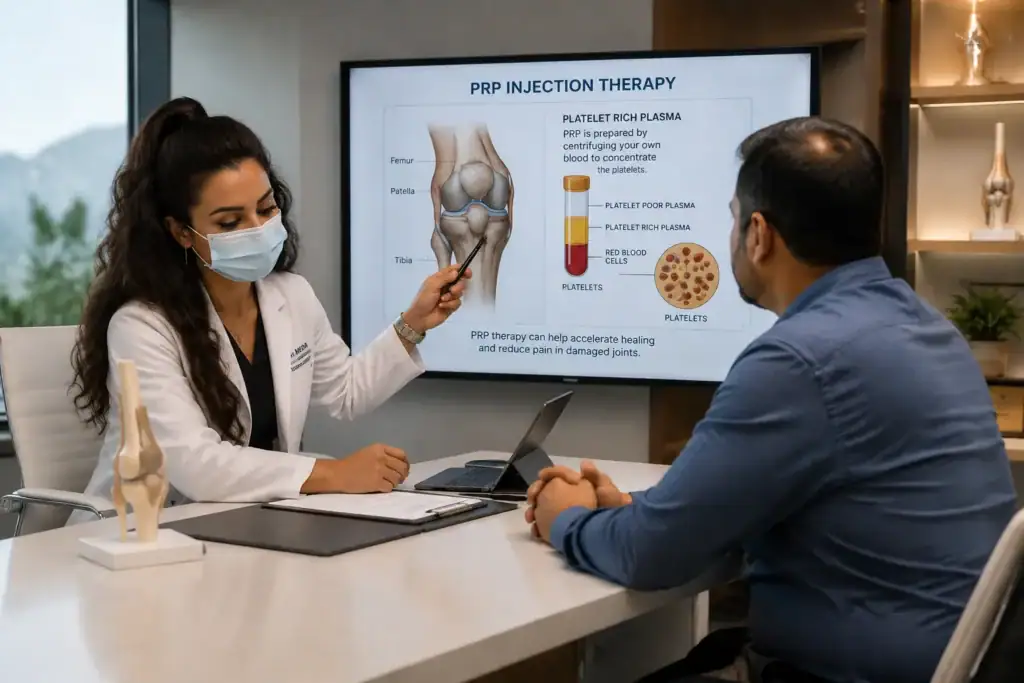
Cost, Coverage, and the Scope of “Medical Necessity”
Navigating the costs and coverage of PRP therapy starts with one key fact: most PRP treatments are self-pay.
In 2026, the average cost per PRP injection ranges from $500–$1,500, with most clinics recommending a treatment series of 2–3 sessions for optimal results.
Current Insurance & Payment Trends
Insurance coverage is limited.
- Medicare: PRP is generally not covered for routine clinical use; only some chronic wounds in tightly controlled research settings qualify.
- Commercial insurance: Most Canadian and U.S. insurers label PRP as “experimental” or “investigational,” so therapy for joint pain, tendinopathies, or hair loss is not routinely included.
- Recent policy changes: Some plans began exploring coverage for specific chronic injuries, but these approvals are rare and require special documentation.
Nearly all cosmetic PRP—from facial rejuvenation to hair restoration for aesthetic reasons—remains excluded by both public and private insurers.
What to Expect Financially
Here’s what clients typically pay:
- Single PRP injection: $500–$1,500
- Full treatment series: $1,000–$4,500 (2–3 sessions)
- Self-pay basis: Payment is typically due in full at the time of treatment.
HSA/FSA eligibility applies only if the treatment is for a documented medical condition (for example, chronic joint pain or tendon injury).
For U.S. clients, this usually means:
- Letter of Medical Necessity from a healthcare provider
- Appropriate diagnosis code listed on your invoice
- Discuss these requirements with your clinic in advance to support HSA/FSA use
A memorable line for social:
“PRP for health is a medical investment; for beauty, it’s elective luxury.”
Differences: Medical vs. Cosmetic PRP
- Medical PRP (e.g., for knee osteoarthritis, tendon disease): Sometimes HSA/FSA eligible, rarely insured, prioritized for persistent symptoms.
- Cosmetic PRP (facials, hair density without hair loss diagnosis): Not covered, considered elective, priced similarly or slightly higher.
Always ask your provider for a detailed, written breakdown of all costs—this builds transparency and trust.
Planning & Payment Conversations
When discussing payment and coverage:
- Bring a list of your prior treatments and diagnoses
- Ask about package pricing if multiple sessions are recommended
- Request itemized documentation for insurance or tax-advantaged accounts
- Picture this: You arrive in a serene, private clinic space, welcomed with calm assurance that there are no surprise fees—just clarity and individualized care
Remember:
“The right plan fits your needs and your budget—without compromising your safety or glow.”
As you consider PRP therapy, clear cost expectations and transparent payment options create the foundation for a confident, empowered journey—always guided by trust, quality, and tailored beauty care.
Regulatory Landscape and Guideline Updates (2025–26)
Platelet-rich plasma (PRP) therapy currently holds an “investigational” FDA designation in North America, meaning the treatment itself isn’t officially approved for most uses, but the devices that prepare PRP are FDA-cleared for clinic use.
Clinics—including Forouz Beauty—work within this landscape by:
- Using autologous PRP devices cleared under medical device regulations
- Administering PRP on a physician “off-label” basis where clinical reasoning and patient need align
Picture this: your blood, separated and enriched using a state-of-the-art centrifuge, then gently re-injected—delivering a tailored, advanced therapy while meeting rigorous safety, sterility, and documentation standards.
Guideline Standpoints by Major Societies
When it comes to orthopedics and rheumatology, global society guidelines set the tone for PRP’s clinical acceptance.
Recent positions (2025–26) include:
- Osteoarthritis Research Society International (OARSI): Recommends against PRP for routine hip/knee OA due to limited, variable evidence
- American College of Rheumatology (ACR): Advises caution, citing low-certainty results
- American Academy of Orthopaedic Surgeons (AAOS): Endorses PRP in select, limited scenarios where other options have failed
Despite emerging 2025 meta-analyses showing measurable, sometimes “superior” benefit for pain/function in mild–moderate knee OA, official endorsements remain conservative as real-world outcomes and formulations differ significantly.
“Most insurers do not cover PRP because it’s investigative,” but these positions may shift as robust new studies continue to shape the field.
Evolving Trends and Forouz Beauty’s Standards
What’s trending? Experts across North America are noting:
- Increased demand for high-quality PRP protocols
- More clinics investing in transparent, luxury clinical safety processes
- A pivot toward patient-tailored, evidence-driven treatments as research matures
At Forouz Beauty, our promise is:
- Luxury clinical care anchored in integrity, hygiene, and patient well-being
- Treatments designed with the latest research, always placing safety and trust first
- Professional guidance through every regulatory and clinical nuance, so your experience is both advanced and serene
You’ll see our commitment reflected in every step—from personalized assessment to precise, hygienic technique—delivering confidence that’s both natural and timeless.
Key takeaway:
While the regulatory status of PRP is still evolving, Forouz Beauty combines evidence-based protocols, luxury safety standards, and transparent communication—so you can elevate your natural glow with confidence and peace of mind.
Insights from the Latest Research: Trends and Controversies
Recent PRP research delivers both remarkable promise and ongoing controversy for clients seeking clear answers in 2026.
Across musculoskeletal conditions, the breakthrough is clear:
- In a 2025 meta-analysis covering 18 RCTs and 1,995 patients, PRP showed superior pain and function improvement in mild–moderate knee osteoarthritis, sustaining benefits up to 12 months with high-platelet concentration preparations.
- Multiple large reviews now report PRP as equivalent-to-superior to corticosteroid or hyaluronic acid injections—and with fewer risks.
For those wanting practical insights:
- “PRP delivers meaningful relief and mobility for many, but it is not a cure or a promise of joint regeneration.”
- The typical benefit window is 3–12 months for most clients, dispelling myths about permanent results or cartilage regrowth.
Ongoing Debates: Variability and Predicting Success
Not all PRP is created equal—this single truth fuels much of the controversy.
- Differences in centrifuge speed, platelet counts, activation methods, and injection schedules create wide outcome variability in published trials.
- Even top 2026 reviews highlight the challenge: some RCTs, like the 2021 JAMA trial, find little or no long-term advantage for knee OA, while others spot robust short-term gains.
Key questions remain:
- “Who truly benefits most from PRP—and why?”
- The search for predictive factors (like age, joint severity, or specific blood markers) is a major focus of ongoing studies.
Expanding Horizons: New Indications and Clinical Growth
Picture this: PRP now moves from sports medicine to surprising spaces.
- Early clinical studies show PRP accelerating hair density and recovery for hair transplant clients—and for some, an innovative role in reviving lost smell after COVID-19 or trauma, where one 2023 trial reported patients were 12.5 times more likely to improve with PRP than without.
- Chronic wound care remains research-focused, but success stories emerge in carefully selected, chronic cases.
Forouz Beauty’s approach is simple:
- Rigorous protocols
- Evidence-led recommendations
- Continuous evaluation of scientific developments
This means every client benefits from luxury standards and the latest authoritative advances—never guesswork.
In 2026, PRP’s greatest value lies in its ability to relieve, restore, and individualize care, while honest conversations about expectations, latest data, and your unique goals remain front and center. Expect evolving practices, transparent insights, and a partnership that prioritizes your safety and results.
Deciding if PRP Therapy Is Right for You
Picture this: You want to move freely, enjoy daily activities, and take control of your well-being, but chronic pain or hair loss is holding you back. PRP therapy offers a path to relief and renewed confidence—without invasive surgery or lengthy downtime.
The decision to pursue Platelet-Rich Plasma therapy should always start with clarity and intent. Ask yourself:
- Are you seeking pain relief, improved function, or just hoping for a complete cure?
- Is your primary goal to delay surgery, maintain an active life, or address cosmetic concerns like hair thinning?
Stepwise Guide for Prospective Clients
Begin by setting realistic goals based on your unique situation.
- PRP can be especially helpful for mild–moderate knee osteoarthritis or chronic tendon issues where standard treatments have not provided enough relief.
- Recent studies show meaningful pain reduction for up to 12 months in these cases, though it does not rebuild cartilage.
Next, consult with the right specialist:
- Review your prior treatments—for instance, physical therapy and medication.
- Discuss the specific PRP protocol (platelet concentration, number of injections), as techniques and results may vary widely.
- Evaluate your medical history against exclusion criteria: active cancer, infection, uncontrolled bleeding, or severe kidney failure typically preclude PRP.
Navigating Cost, Coverage, and Research Opportunities
Understanding the financial landscape is essential:
- Expect $500–$1,500 per injection; most insurance plans do not cover PRP unless you join a clinical study.
- You may be able to use HSA/FSA funds for medically indicated PRP with the right documentation.
- For clients open to innovation, participating in a clinical trial may offer access to advanced protocols and closer follow-up.
Personalized Care and Open Dialogue
At Forouz Beauty, you’re invited to share your concerns, lifestyle, and aspirations openly.
- We prioritize trust, safety, and natural enhancement, tailored to your individual needs.
- Clients say, “I finally felt heard—my treatment plan truly reflected my goals,” and “The experience felt professional yet deeply personal.”
A thorough consultation, clear financial planning, and alignment with your own aspirations are essential first steps.
Exploring PRP therapy is about more than a single treatment—it’s about elevating your natural glow and moving forward with calm confidence, no matter where you are on your beauty and wellness journey.
If you are considering a personalized approach, exploring professional PRP Treatment options with a qualified provider can help determine whether this regenerative solution fits your condition.
Conclusion
Choosing PRP therapy isn’t just a clinical decision—it’s an investment in comfort, confidence, and natural radiance, tailored to your needs by expert hands.
You deserve care that values safety, integrity, and result-driven professionalism. PRP puts your own body’s healing power to work, unlocking a path to movement, relief, and authentic beauty—all within a serene, luxury clinic experience grounded in trust.
—
- Set purposeful goals: Decide if your primary aim is to restore mobility, enhance hair growth, or elevate your natural glow—be clear about your priorities.
- Engage in a thorough consultation: Discuss your medical history and concerns with a licensed specialist to determine personalized eligibility and optimal PRP protocol.
- Request full transparency: Ask for itemized cost breakdowns, and clarify insurance or HSA/FSA opportunities to keep your journey both confident and informed.
- Commit to post-procedure care: Follow expert aftercare guidelines to maximize comfort, safety, and visible outcomes.
—
Start your journey today:
- Reflect on the results you envision—relief from chronic pain, renewed hair, or simply a new sense of confidence in your skin.
- Book a personalized consultation at a reputable clinic that shares your values of quality, care, and continuous growth.
- Share your aspirations and questions openly—luxury care thrives on empowered, informed clients.
—
You are not limited by past setbacks or temporary frustration. With PRP therapy, you step into a future shaped by possibility—a chance to elevate your natural glow and move through life with calm confidence.
“Your beauty is timeless. Let every treatment be a reflection of your trust, your story, and your power to shine—naturally.”
FAQs
1. What is PRP Therapy?
PRP Therapy is a regenerative treatment that uses a concentrated portion of your own blood platelets to support the body’s natural healing process. PRP injections are commonly used for tendon injuries, joint pain, and soft tissue problems.
2. What are the benefits of PRP Treatment?
The main PRP Treatment Benefits include supporting tissue repair, reducing inflammation, improving recovery, and offering a non-surgical option for certain injuries. Results depend on the condition being treated and individual health factors.
3. Who is a good candidate for PRP Therapy?
PRP Therapy Candidates often include people with chronic tendon problems, mild-to-moderate joint issues, sports injuries, or those looking for regenerative medicine options before considering surgery.
4. How long does PRP Therapy take to work?
PRP Therapy recovery and results vary. Some patients notice improvement within several weeks, while others may need multiple treatments before experiencing noticeable benefits.
5. Are PRP injections safe?
PRP Injection Therapy uses the patient’s own blood components, which may reduce the risk of allergic reactions. A qualified healthcare provider should evaluate whether PRP is suitable for your situation.
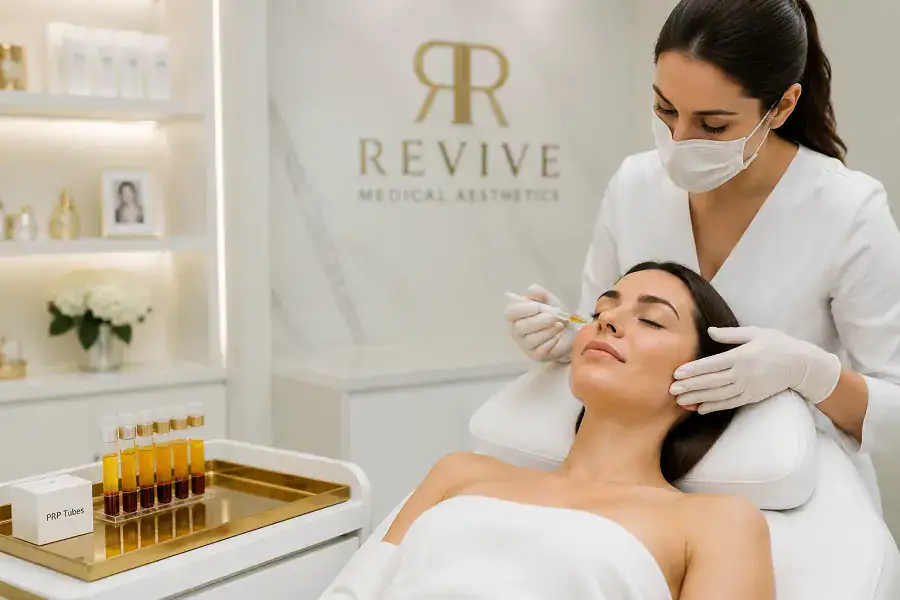
Common PRP Brand Names Explained for 2026
Common PRP Brand Names Explained for 2026
Discovering the right PRP brand can elevate your confidence and results—especially with so many choices and innovations shaping 2026’s luxury beauty landscape. Here are the most essential, actionable insights to help you make safe, empowered, and beautiful decisions for your skin, hair, or wellness journey.
Whichever system is used, the protocol is the same. See what a PRP hair treatment for Toronto and the GTA involves at Forouz Beauty.
- PRP delivers natural-looking rejuvenation by using your own blood—enabling visible results without surgery and minimal downtime.
- Brand matters for safety and outcomes—choose PRP systems and clinics with Health Canada, FDA, or CE-approved technology for maximum trust.
- Top PRP brands in 2026 include Eclipse/Cellenis, Selphyl®, ProGen, and PuraPlas, known for their purity, clinical validation, and tailored applications.
- Personalized treatment protocols—from concentration to application area—ensure your PRP experience is uniquely matched to your skin, hair, or wellness goals.
- Transparent communication is luxury care—expect your provider to walk you through brand selection, explain terminology, and encourage your questions for true client confidence.
- Regulations are non-negotiable—always confirm your clinic uses approved kits and follows strict safety and hygiene protocols for peace of mind.
- Empowered clients drive better results—bring your own research, ask about brand reputation, and request before/after photos for clarity and trust.
- Staying informed means asking about the latest trends—from “PRF vs. PRP” to “best kit for facial glow,” clinics now tailor education to your most pressing queries.
Choosing PRP is an investment in yourself—let the right brand, clinic, and partnership help you elevate your natural glow with timeless confidence. For a deeper understanding and brand-by-brand comparison, explore the full article.
Introduction
Imagine sitting down for a beauty consultation and realizing you’re expected to choose between PRP brands, PRP treatment brands, and advanced platelet rich plasma brands you’ve never heard of—all promising “natural results” yet each with a different scientific story. With over 70% of clients citing visible, natural-looking results as their top reason for trying PRP facial treatment, PRP hair treatment, and other regenerative aesthetic treatments, the brand behind your procedure is more important than ever.
Today’s most trusted clinics carefully curate their PRP system brands and PRP kit brands, blending safety, scientific backing, and luxurious clinical care designed for real, lasting confidence. Yet, with dozens of new systems, evolving PRP centrifuge system technologies, and modern PRP injection brands, it’s easy to feel overwhelmed—especially as regulatory standards become more rigorous and patients expect transparency at every step.
For clients across Richmond Hill, Toronto, and the GTA, the right PRP brand can mean the difference between timeless, luminous skin and an experience that falls short of expectations. Whether you’re considering PRP facial rejuvenation, PRP treatment for face, PRP therapy for hair loss, or searching for the best PRP for hair restoration, knowing how to ask the right questions—and understand your choices—has become essential to your self-care journey.
In this guide, you’ll discover:
The core features that set leading PRP brands apart in 2026
Which FDA approved PRP kits and systems clinics trust for safety, results, and client comfort
Practical advice to help you feel empowered and cared for every step of the way during your PRP clinic treatment
Whether you’re seeking subtle skin rejuvenation, restored confidence from PRP hair restoration treatment, or the very latest in regenerative beauty, understanding PRP vs PRFM, PRP microneedling treatment, and modern PRP treatment brands brings clarity—and peace of mind—to every decision.
As you step into your next appointment, you’ll be equipped with luxury-level insight to ensure every treatment elevates your natural glow. And it all begins with a deeper look into what makes PRP brands uniquely effective, starting with what every client should know about this gentle, revolutionary
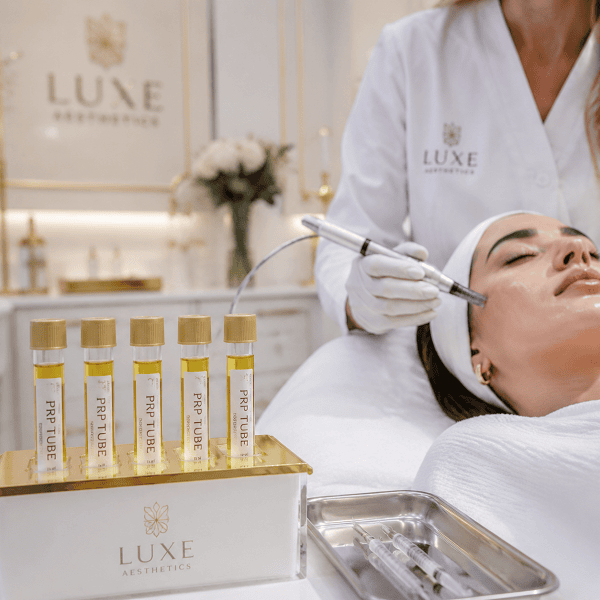
Understanding PRP: What Patients Should Know in 2026
Platelet-Rich Plasma (PRP) is a natural treatment using your own blood to stimulate healing and rejuvenation across medical and aesthetic fields.
Originally popularized in sports medicine and orthopedics, PRP’s applications have expanded into cosmetic skin treatments, hair restoration, and even dental care—enabling visible, natural-looking results without surgery.
PRP works by isolating and concentrating platelets from a small blood sample, then reinjecting or applying this solution to targeted areas.
The process involves:
- Drawing a small amount of your own blood in the clinic
- Spinning it in a centrifuge to separate components
- Collecting the platelet-rich layer for use in treatment
Why PRP Is Gaining Momentum
Today, over 70% of PRP users cite “visible, natural-looking results” as the top reason for choosing this treatment.
Improvements in technology now allow for more precise PRP concentration—meaning more predictable results and lower risk.
Driven by continuous growth in both clinical research and client interest, the worldwide PRP market is projected to grow by over 11% per year, reaching nearly USD 1.4 billion by 2033.
Key Qualities Clients Should Prioritize
When evaluating PRP options, focus on:
- Safety and regulatory approval—choose clinics that use Health Canada, FDA, or equivalent-cleared devices
- Clinician expertise and hygiene—the right experience ensures natural, consistent results
- Personalized protocols—tailored concentrations and approaches for your unique skin or hair type
How Brand and Clinic Reputation Drive Your Results
Not all PRP systems are created equal: brand reputation, scientific validation, and technology standards matter.
Leading brands—like Arthrex ACP, EmCyte PurePRP, or Cellenis PRP—differentiate themselves with documented safety profiles and consistent results.
Picture this: A trusted, luxury clinic walks you through the most suitable PRP system, reviewing safety data, expected outcomes, and how the brand’s science supports your specific needs.
For 2026, the best decision is an informed one. Look for clinics that combine luxury care with proven technology—delivering confidence, client safety, and the timeless, natural beauty you deserve.
The Landscape of PRP Brands: Major Players and Emerging Names
The Platelet-Rich Plasma (PRP) market in 2026 is vibrant and fast-moving, with leading brands shaping safety, results, and patient trust everywhere from Richmond Hill to global clinics.
Demand for PRP has surged—market forecasts predict 11–15% annual growth, with North America holding about 43% market share and clinics choosing between med-tech giants and next-generation innovators.
Who Sets the Standard? Leading Orthopedic & Med-Tech Brands
The world’s most recognized PRP companies set standards in:
- Quality
- Clinical utility
- Global regulatory compliance
Picture this: entering a clinic and seeing brands trusted by major hospitals and top sports teams.
Key players include:
- Arthrex: ACP, ACP Max, Angel System—devices known for purity and performance
- Zimmer Biomet: GPS III System—high-concentration, double-spin PRP
- Stryker: Biologics portfolio with evolving tech (increasingly used across specialities)
- Terumo: Blood component and cell-processing expertise for consistently reliable PRP
- Johnson & Johnson (DePuy Synthes): Orthobiologic solutions combined with clinical data
These names are synonymous with safety and gold-standard outcomes, especially for orthopedic and surgical settings.
Next-Generation and Boutique PRP Innovators
Not every clinic wants or needs the giants—specialized PRP brands offer customization, advanced tech, and niche customization.
Imagine a boutique studio offering tailored PRP, powered by:
- EmCyte: PurePRP® platform for high-concentration, FDA-cleared results
- Dr. PRP USA: Easy-to-use kits for skincare and ortho-aesthetic applications
- Juventix Regenerative Medical: Kits designed for point-of-care flexibility
- Apex Biologix: Integrated PRP and stem cell solutions
- Celling Biosciences: ART PRP, offering physician-configurable settings
- Isto Biologics, Exactech, Nuo Therapeutics: Niche players adapting PRP for specialized fields
Innovation can mean customized concentration, mobile kits for clinics on the go, and patient-specific protocols—empowering clinics to elevate results.
Confidence, Reputation, and What Patients Should Look For
Brand trust is essential—patients and providers seek names that deliver consistent, visible results.
- Clinics highlight recognized brands to reassure patients about safety, efficacy, and regulatory compliance.
- The right PRP system is matched to your goals—whether you seek rapid recovery, subtle rejuvenation, or the most natural glow.
- “When you recognize the PRP brand, confidence in the result follows close behind.”
Sophisticated clinics stay transparent, always matching PRP advances to patient outcomes.
Memorable takeaway: Choosing the right PRP brand is about balancing trust, innovation, and visible results—an essential conversation for any client considering rejuvenation or recovery with PRP in 2026.
Many clients exploring the best PRP brand options also combine treatments with advanced skin therapies like PRP Hair Restoration Treatment to improve hair density and strengthen thinning hair naturally.
For patients focused on smoother skin and collagen stimulation, combining premium PRP facial treatment options with Microneedling Treatments can dramatically enhance skin texture and glow.
Luxury clinics offering modern PRP facial rejuvenation services often recommend pairing treatments with Skin Tightening Treatments for more comprehensive anti-aging results.
Patients searching for the best PRP for hair restoration frequently explore complementary services like Hair Loss Treatments to support long-term scalp and follicle health.
Advanced regenerative aesthetic treatments are commonly paired with Laser Skin Rejuvenation to maximize collagen production and improve overall skin tone.
An Overview of Widely Used PRP Kits and Commercial Brand Names
Choosing the right PRP kit brand is about more than just the name – it directly shapes your experience, safety, and outcomes. In 2026, clinics across the GTA rely on a carefully curated set of commercial PRP brands for everything from aesthetic skin rejuvenation to joint and dental therapies.
What Sets PRP Brands Apart?
Each PRP system brings its own strengths:
- Technology: Single-spin vs. double-spin, gel vs. non-gel separators, automated vs. manual preparation
- Platelet Concentration: Systems vary in the percentage of platelets delivered for faster healing or natural radiance
- Purity & Safety: Top brands feature independent data proving clean, consistent separations
- Application Focus: Some kits are customized for aesthetics, while others target orthopedic or dental needs
Clients often ask, “Which kit is best for my skin, my hair, or my recovery?” The answer is guided by technology, concentration, reputation, and clinical need.
Leading PRP Kits in 2026
Most clinics in Canada and internationally trust a select group of brands, each recognized for quality and consistent results:
- Eclipse/Cellenis PRP: Favored for natural skin glow and versatility; single-spin gel tube system
- Selphyl®: Makes both PRP and PRFM for tissue healing; often chosen for facial aesthetics
- ProGen (15 mL, 30 mL): Popular in North America for streamlined, efficient PRP processing
- PuraPlas: Known for high purity, especially in hair restoration and dental uses
- World PRP: Available in multiple concentrations to tailor regenerative treatments
- Kai: Fast-rising choice with focus on simplicity and reliable concentration
- FIDIA Hy-Tissue 20: Non-gel European kit with strong safety and performance data
- Plateltex®: Widely used for its refined platelet separation technology
- MTF Cascade: Longstanding system favored in orthopedic and dental clinics
- Vivostat®: Automated system delivering highly concentrated PRP for advanced needs
- 3i PCCS Series: Specialized in dental/maxillofacial applications
- Magellan®: Recognized for highest platelet yields in clinical studies
How Clinics Personalize PRP Kit Selection
Picture this: a client arrives seeking the most natural, rejuvenated skin possible.
A trusted clinic like Forouz Beauty guides with questions such as:
- Do you need a gentle glow or focused repair for scars/hair?
- Is your priority ultra-high platelet count or a delicate balance for facial tissues?
- Do you desire minimal downtime or maximal impact in one session?
Personalized recommendations often mean:
- For facial rejuvenation: Eclipse/Cellenis, Selphyl®, or PuraPlas
- For joint or scalp therapy: ProGen, World PRP, or Magellan®
- For dental procedures: 3i PCCS or FIDIA Hy-Tissue 20
Building Trust in PRP: Brand Names Clients Mention
“Your clinic’s kit matters: PRP is only as good as its preparation,” is a message clients remember.
Brand recognition builds comfort and confidence, enabling clients to visualize their results – and ask the right questions before treatment.
In summary, the most trusted PRP brands for 2026 blend technology, safety, and consistent outcomes, helping clients achieve personalized and beautiful results with peace of mind.
Core PRP Terminology and Language Clients Encounter
Understanding PRP treatment starts with a few essential terms every client will hear—each shaping expectations and outcomes. “Autologous” simply means the blood used comes from your own body, ensuring compatibility and safety. “Concentration” describes the level of growth factors and platelets present in the PRP, a crucial factor in treatment effectiveness.
Common Vocabulary You’ll Hear in Clinic
You may notice clinics reference these phrases during consultations and aftercare reminders:
- Gel Tube: A type of collection tube containing a separating gel, used to isolate platelets during centrifugation; often found in brands like Eclipse and Selphyl®.
- Single-spin vs. Double-spin: “Single-spin” PRP kits use one cycle of centrifugation for convenience, while “double-spin” systems separate plasma in two stages, sometimes creating higher platelet concentrations.
- PRFM (Platelet-Rich Fibrin Matrix): Denotes a special form of PRP with a fibrin scaffold for more gradual growth factor release—found in products like Selphyl® and BIOINCYTE™ PRFM.
- Supraphysiologic: Refers to PRP with growth factor levels greater than your baseline, like EmCyte’s PurePRP® Supraphysiologic system.
PRP vs. PRFM — Variants and What They Mean for You
When comparing products and clinic offerings, pay attention to the differences between:
- PRP (Platelet-Rich Plasma): Clear, golden plasma concentrated with platelets, often used for skin rejuvenation, hair restoration, and joint therapy.
- PRFM: A “next-generation” option, with a fibrin-rich matrix for longer-lasting effects—now increasingly visible in 2026 med-aesthetic menus.
- “Gel tube” vs. “non-gel” PRP systems: Affect the purity and application of the final product, influencing your results and recovery.
Every reputable clinic will walk you through terminology like:
- Platelet count multipliers (“2x” or “3.5x”) that signal the system can amplify your body’s healing power.
- “Point-of-care” PRP devices: Indicate an in-clinic system used fresh for your treatment—never off-the-shelf.
How Language Shapes Your Experience and Comfort
Clear terminology empowers your choices. Clinics using transparent, easy-to-understand language support client confidence and informed consent.
Picture this: A calm, expert consultation where your provider explains, “Today, we’ll be using a double-spin PRP kit with a gel tube for maximum concentration and comfort.” Suddenly, the process feels tailored—because it is.
A memorable rule: If a term sounds confusing, ask your provider to walk you through it. Quality clinics gladly explain, reinforcing trust and luxury care.
Being familiar with these terms makes every conversation richer, every decision more informed, and every outcome more satisfying—elevating both your glow and your peace of mind.
Regulatory and Market Trends Shaping the PRP Industry in 2026
Navigating the PRP landscape in 2026 means understanding an industry defined by rapid growth, evolving regulations, and heightened client expectations.
Global demand for Platelet-Rich Plasma (PRP) therapies is surging, with the market expected to reach USD $1.4–$1.6 billion by 2033—driven by an 11–15% CAGR over the next decade.
Nearly 43% of the global PRP market is centered in North America, reflecting both the high adoption rate and robust regulatory environment found in cities like Toronto and across Canada.
—
Key Regulatory Priorities for PRP Safety and Quality
Staying informed about regulatory compliance is non-negotiable for both clinics and clients.
The following should always be top of mind:
- Device approval: All PRP kits, devices, and systems used in Canada must be Health Canada-approved medical devices. The same holds true for FDA approval in the United States and CE-marking for Europe.
- Safety standards: Clinics are required to follow strict sterilization, staff training, and protocol guidelines to ensure patient safety and effectiveness.
- Compliance monitoring: Leading clinics regularly review Health Canada and FDA device listings to confirm the continued legitimacy of PRP products.
Picture this: You walk into a luxury clinic and ask which PRP kit will be used for your treatment. The practitioner can instantly show you the product’s approved status and talk through its safety profile.
—
How Regulatory Change Shapes PRP Choices
Current trends show that:
- Changing regulations can affect which brands are offered at clinics, as new standards may phase out older products—or introduce next-generation systems.
- Clinic communication: Trustworthy providers stay updated on regulatory guidance and proactively educate clients on updates that might impact their treatment, building both transparency and trust.
“Clients in the GTA want to know their beauty is in safe hands—that’s why regulatory excellence is at the very heart of professional luxury care.”
—
What Informed Clients Need to Know and Do
To confidently choose a PRP service, remember:
- Always confirm that the PRP kit/system in use has national regulatory approval—ask your provider for documentation.
- Evaluate the clinic’s protocols for safety and hygiene—these should be clearly stated and consistently demonstrated.
- Understand provider qualifications—inquire about who is performing your PRP treatment and their clinical training.
A trusted clinic will gladly explain its process, provide certification details, and support your informed decision at every step.
—
Remaining proactive about regulation and quality safeguards your experience and results. Personalized, safe, and regulatory-approved PRP care is the foundation of timeless beauty and lasting confidence.
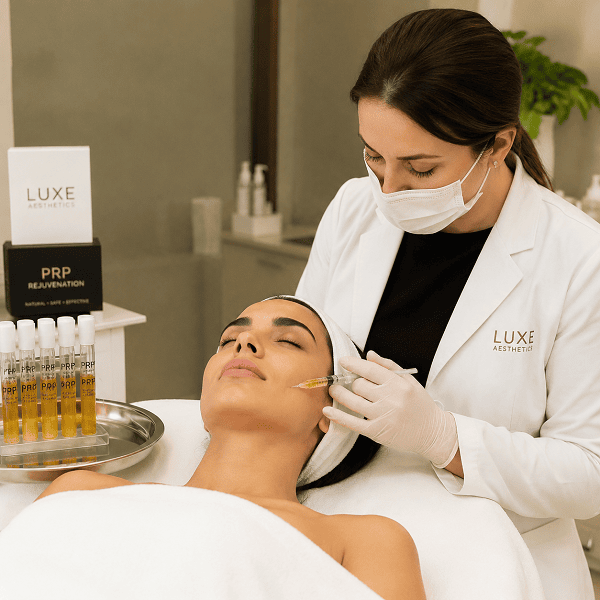
Navigating PRP Brand Selection: What Informed Clients Should Consider
Choosing the right PRP brand is about much more than a name—it’s about safety, trust, and visible results. For clients in 2026, safety, efficacy, and regulatory approval are truly non-negotiable.
When searching for a clinic or considering a new PRP system, picture this: your skincare professional explains, “This system is Health Canada-approved, proven in clinical studies, and sourced from a top global manufacturer.” That level of clarity builds instant confidence.
What Makes a PRP Brand Trustworthy?
The most reputable clinics—like Forouz Beauty—evaluate PRP brands using strict, evidence-backed criteria:
- Regulatory Status: Is the kit FDA-cleared, Health Canada-licensed, or CE-marked for medical/aesthetic use?
- Clinical Performance: Are there published data showing consistent platelet concentration and purity?
- Technology & Customization: Can the system be tailored to individual skin needs (single-spin vs. double-spin, adjustable concentrations)?
- Brand Reputation: Is it among brands trusted worldwide like Arthrex, Selphyl®, Eclipse, or ProGen?
- Ongoing Manufacturer Support: Does the company offer training, product updates, and transparent information?
A 2026 clinical study showed patients preferred clinics that disclosed exactly which PRP brand and technique they use—over 4 out of 5 said this influenced their final decision.
Transparent Communication Is Luxury Care
Timeless beauty is earned, not assumed—today’s best clinics know that clear conversations create trust that lasts beyond treatment.
Expect your provider to:
- Walk you through every step: how PRP will be prepared, which kit is chosen, and why it fits your goals.
- Encourage your questions—about concentrations, brand heritage, regulations, or aftercare.
- Offer side-by-side comparisons of the most advanced PRP systems now available.
“Ask what goes into your glow. The best results are always collaborative.” That’s the Forouz Beauty approach.
Empowering Clients Is the New Standard
In 2026, clients are more informed than ever—Google autocomplete data shows top searches are “Which PRP kit is safest?” or “Best PRP for facial rejuvenation 2026.”
So, when meeting your specialist, remember:
- Bring your own research—providers welcome it.
- Ask about the exact system’s clinical results and regulatory status.
- Request before/after photos or case stories from your provider.
Every luxury experience should leave you confident, cared for, and fully informed. When choosing a PRP system, transparency and partnership create stunning, naturally luminous results—tailored for you, with trust at every step.
2026’s Most Common PRP Brand Autocomplete Queries and Marketplace Insights
The PRP market in 2026 is shaped by the questions clients are asking online, with autocomplete data revealing exactly what’s on their minds.
Consumers across Greater Toronto—as well as nationally—are searching for clear, trustworthy answers about PRP brand differences, clinical results, and up-to-date options.
What Are People Really Searching for in 2026?
Clients most frequently type queries relating to:
- “Best PRP brand for face” or “PRP kit vs. PRFM” results
- “Eclipse PRP reviews 2026”, “Selphyl vs. ProGen”
- “Platelet-rich plasma safest brands”
- “PRP cost Toronto 2026”
- “Juventix before and after” or “Kai PRP kit results”
For those comparing options, brand names like “Eclipse,” “Selphyl,” “PuraPlas,” and “Angel PRP” appear repeatedly, signaling their prominence in real-world choices.
Trends: From Results to Safety and Price
The focus of most client queries falls into these categories:
- Aesthetics: natural-looking outcomes, skin glow, hair restoration
- Comparison searches: “PRP vs. PRFM,” “ProGen vs. PuraPlas”
- Safety and regulatory: “Is Selphyl Health Canada approved?”
- Costs: average PRP session in Toronto ($600–$1,200), package discounts, brand cost differences
- Clinic trust: “Top PRP clinics near me,” “PRP with doctor consultation”
Misspelled brand names like “Puraplas,” “Cellenis,” and “Biomet” are common—highlighting brand recall but also the need for clarity in provider education and search optimization.
How Leading Clinics Engage and Inform
Top clinics don’t just monitor these trends—they respond with:
- Personalized consults explaining PRP options relevant to lifestyle and goals
- Educational content featuring comparisons (“‘PRFM’ explained in 60 seconds”)
- Transparent cost breakdowns and before-and-after scenarios
- Clinic videos on “Choosing your PRP kit: What You Need to Know in 2026”
Picture a client viewing a side-by-side kit demonstration video—seeing the difference between Angel PRP and ProGen while a provider narrates benefits in real time.
Bringing Insights Into Every Consultation
Truly trusted PRP clinics now use live search data to shape both their digital content and one-on-one advice:
- Update FAQs to match trending queries
- Train staff to clarify common confusions—like the difference between PRP and PRFM
- Ensure all information is easy to read, with clinical staff ready to address “most searched” concerns face-to-face
“When clients start with a Google question, we’re ready with clear, gentle answers that empower them,” is a mantra many luxury clinics now embrace.
By following real-world search patterns and addressing clients’ top questions proactively, clinics like Forouz Beauty help clients feel instantly reassured—providing calm, expertise, and confidence that shines through every step of their journey.
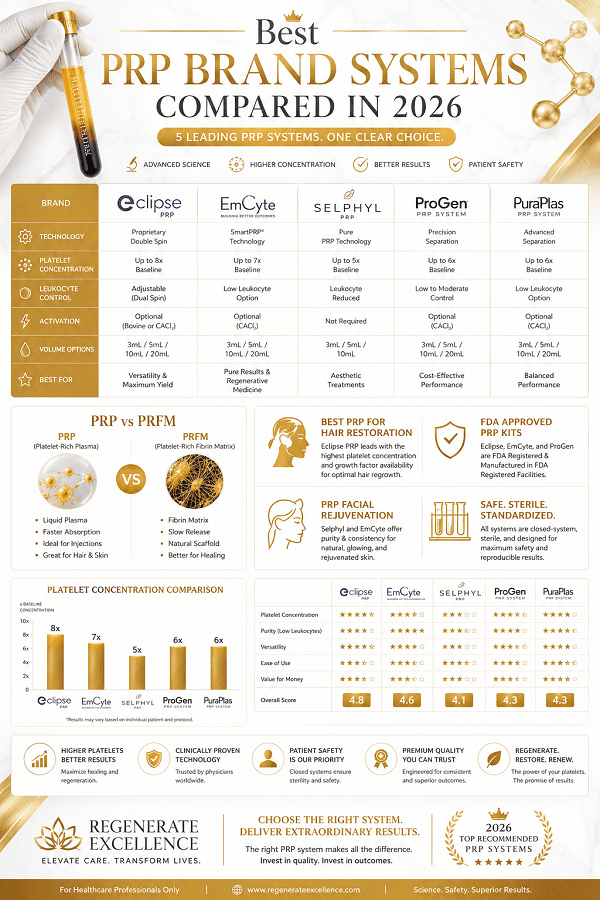
Many clients exploring the best PRP brand options also combine treatments with advanced skin therapies like PRP Hair Restoration Treatment to improve hair density and strengthen thinning hair naturally.
For patients focused on smoother skin and collagen stimulation, combining premium PRP facial treatment options with Microneedling Treatments can dramatically enhance skin texture and glow.
Luxury clinics offering modern PRP facial rejuvenation services often recommend pairing treatments with Skin Tightening Treatments for more comprehensive anti-aging results.
Patients searching for the best PRP for hair restoration frequently explore complementary services like Hair Loss Treatments to support long-term scalp and follicle health.
Advanced regenerative aesthetic treatments are commonly paired with Laser Skin Rejuvenation to maximize collagen production and improve overall skin tone.
Before choosing among different PRP brands, patients should verify whether clinics use medically regulated systems approved by Health Canada medical devices for safer and more reliable treatment outcomes.
Many leading PRP treatment brands follow standards established by the U.S. Food and Drug Administration (FDA), helping clinics maintain strict safety and quality protocols.
Patients researching PRP vs PRFM technologies can also review current regenerative medicine trends through Google Trends to compare growing interest in PRP facial rejuvenation and hair restoration treatments.
Clinics using premium FDA approved PRP kits often follow recommendations published by organizations like the American Academy of Dermatology to improve patient safety and skin treatment standards.
Conclusion
Choosing the right PRP brand is more than a detail—it’s the foundation for visible, natural-looking results and your ongoing confidence in every aesthetic or wellness investment. When you’re informed and discerning, you elevate not only your outcomes but your entire beauty experience.
You now have the clarity to navigate the world of PRP brands with calm assurance. The power to ask the right questions and expect luxury care is truly in your hands.
—
Key Takeaways:
- Trust clinics that use Health Canada or FDA-approved PRP systems—safety is non-negotiable.
- Ask for full transparency: request the brand name and its evidence of results before treatment.
- Look for expertise—choose providers who personalize your care and explain each step.
- Evaluate technology and reputation; not all PRP brands deliver equal outcomes.
- Empower yourself by understanding key terms and trends that shape your choices.
—
Next Steps:
- Book a consultation with a clinic known for both advanced PRP technology and personal client care.
- Bring your top questions about brands, results, and safety to your next appointment.
- Compare clinics based on their openness and willingness to educate you.
- Share your findings with others invested in safe, naturally beautiful results—community knowledge is empowering.
—
Feel just as confident choosing your clinic and PRP brand as you do walking out with radiant results. Luxury care starts with partnership and empowerment—your natural glow is a timeless investment, best entrusted to those who put your safety and beauty first.
Elevate your next beauty journey—because informed choices are always in style.
FAQs
What is the best PRP brand in 2026?
Popular choices include Eclipse, EmCyte, Selphyl, and ProGen because of their safety and clinical performance.
Which PRP brand is best for hair restoration?
EmCyte and ProGen are commonly recommended for PRP hair restoration treatment because they provide high platelet concentration.
What is the difference between PRP vs PRFM?
PRFM includes a fibrin matrix that slowly releases growth factors, while PRP releases them more immediately.
Are FDA approved PRP kits safer?
Yes. Many clinics prefer FDA approved PRP kits because they follow strict clinical safety standards.
Which PRP facial treatment is most popular?
PRP microneedling treatment and vampire facial procedures remain among the most requested treatments in 2026.
IV Therapy Explained: Benefits, Uses & Expert Insights
IV Therapy Explained: Benefits, Uses & Expert Insights
IV therapy offers a modern approach to beauty and wellness—blending scientific care, professional luxury, and personalized treatment. Discover how to benefit safely, maximize value, and make confident, informed choices tailored to your unique goals.
- IV therapy delivers instant hydration and nutrients by bypassing your digestive system, ensuring nearly 100% absorption for rapid results—ideal for both critical care and luxury wellness.
- Medical-grade IV treatments are essential for severe dehydration, nutrient deficiencies, and complex medications, always delivered under strict clinical oversight for your safety and recovery.
- Wellness clinics elevate the IV experience with elegant, hygienic environments—choose clinics with licensed staff, transparent ingredient lists, and personalized consultations for true peace of mind.
- Most claimed “wellness” benefits—like boosted energy or immunity—are not strongly supported by science; for healthy individuals, benefits may be subtle, temporary, and largely driven by the luxury setting.
- Even in serene, luxury clinics, IV therapy is a medical procedure—prioritize safety, watch for risks like infection or vitamin toxicity, and ensure full health screenings before every session.
- Luxury IV sessions range from $150–$1,000, with similar hydration and nutrient benefits often achievable through oral supplements and balanced nutrition at lower cost.
- Set clear goals and realistic expectations: For healthy adults, IV therapy can be a pampering “refresh,” not a miracle cure—always view it as a complement to, not a replacement for, holistic self-care.
- Empower your beauty decisions by choosing expert clinics committed to professional care, transparent communication, and your unique wellness vision—luxury means feeling confident, cared for, and beautifully safe.
Experience the intersection of science and self-care—read the full article to make your IV therapy journey calm, informed, and uniquely yours.
Introduction
As demand for iv therapy near me continues to grow, more clients are exploring personalized hydration and wellness treatments in luxury clinical settings.
Imagine stepping off a red-eye flight, skin and spirits equally fatigued, only to be welcomed by the serene glow of a luxury clinic—where IV therapy offers you hydration, clarity, and renewed confidence in under an hour.
This innovative approach to wellness is rising quickly; in Canada alone, IV lounge openings are increasing by 20% each year. But beyond the serene settings and soft gold-accented lounges, one question matters most: Is IV therapy truly the rejuvenating solution it appears to be—or simply a beautiful placebo?
The promise is as alluring as it is immediate—direct infusion means rapid absorption, nearly 100%, compared to 10–50% for traditional supplements. That means you could walk in feeling depleted and step out revitalized, enjoying:
- Quick rehydration and electrolyte balance
- A lift in energy and mental clarity
- Enhanced skin radiance and that coveted “post-treatment glow”
Yet with the swelling popularity comes even greater need for discernment. Clients across Richmond Hill, Toronto, and the GTA are seeking natural-looking results and uncompromising safety—and the difference between a quick fix and lasting confidence can rest on details easy to overlook.
In the following feature, you’ll discover:
- The essential science and principles behind IV therapy—what it is, how it works, and why clinical settings matter
- Insights into both medical and wellness uses, including when IV treatment is essential, which claims truly hold up, and how luxury clinics ensure your safety
- A clear-eyed look at value, risk, and personalized choices, empowering you to elevate your beauty and health with results you can trust
At Forouz Beauty, we believe that true luxury is as much about expert care and safety as it is about a serene, elegant experience. Let’s explore how personalized IV therapy may fit into your own timeless beauty journey—always tailored for you.
Wondering what goes into your drip—and how to choose a setting that brings out your healthiest, most radiant self? Step into the essentials of IV therapy with confidence.
Clients searching for trusted IV Therapy near me services should look for clinics that combine licensed medical oversight, transparent ingredients, and personalized wellness consultations.
Understanding IV Therapy: Foundations and Principles
Choosing the right iv therapy clinic is essential for ensuring professional oversight, safe ingredients, and personalized wellness care.
What Is IV Therapy?
Modern iv therapy infusion treatments are designed to deliver fluids, nutrients, and vitamins directly into the bloodstream for faster absorption.
Intravenous (IV) therapy delivers fluids, vitamins, minerals, or medications directly into your bloodstream through a small catheter.
This bypasses the digestive tract, allowing for nearly 100% absorption and rapid effects—especially vital with medications or severe dehydration.
“IV therapy is the fast lane for hydration, nutrients, and care.”
IV Therapy vs. Oral Supplements
The key difference? Absorption and speed.
- IV infusions begin working almost immediately—critical in medical emergencies or for those unable to take nutrients by mouth.
- Oral supplements are slower, with absorption rates that can range from 10–50%, depending on the nutrient and your body’s metabolism.
Picture this: a client steps into a serene wellness lounge after a long flight, receiving an IV drip that restores hydration and balance in under an hour.
Clinical Medicine & Modern Wellness: Two Worlds of IV
Today’s luxury wellness market offers multiple iv therapy types tailored for hydration, recovery, beauty, and energy support.
IV therapy began as a medical essential—think:
- Emergency hydration in hospitals
- IV antibiotics for severe infections
- Chemotherapy and complex treatments
Now, wellness clinics in the GTA offer IV vitamin drips touted for energy, skin radiance, immunity, and post-travel “reset.”
It’s a trend that’s grown rapidly, with an estimated 20% annual rise in IV lounge openings across Canada.
What’s in the Drip? Common Infusion Types
Popular iv therapy vitamins may include vitamin C, B12, magnesium, glutathione, and electrolyte hydration blends.
Luxury wellness clinics and hospitals both use:
- Hydration fluids (sterile saline or electrolytes)
- Vitamin blends like B12, vitamin C, magnesium, or glutathione
- Medically prescribed medications for specific needs (chemotherapy, antibiotics, iron, etc.)
Yet, ingredient purity and safety can vary. Always ask for a full ingredient list.
Where It Happens—And Why the Setting Matters
- Hospitals and medical offices: Used by physicians, strict protocols, regulated staff.
- Wellness clinics/lounges: Focus on elective, “booster” infusions for lifestyle and beauty goals.
Picture Forouz Beauty: clean lines, natural light, plush seating, and expert nurses create an atmosphere of elegant trust and clinical safety.
Walk in with confidence—luxury clinics combine professional hygiene standards with a calm, personalized experience you can see and feel.
—
IV therapy blends advanced science with the promise of tailored wellness—just be sure you choose a setting that prizes both safety and personalized luxury care. “When you prioritize both expertise and elegance, your confidence and natural glow shine through.”
A professional IV therapy clinic provides more than hydration support—it offers clinical safety, customized treatment plans, and expert guidance tailored to your wellness goals.
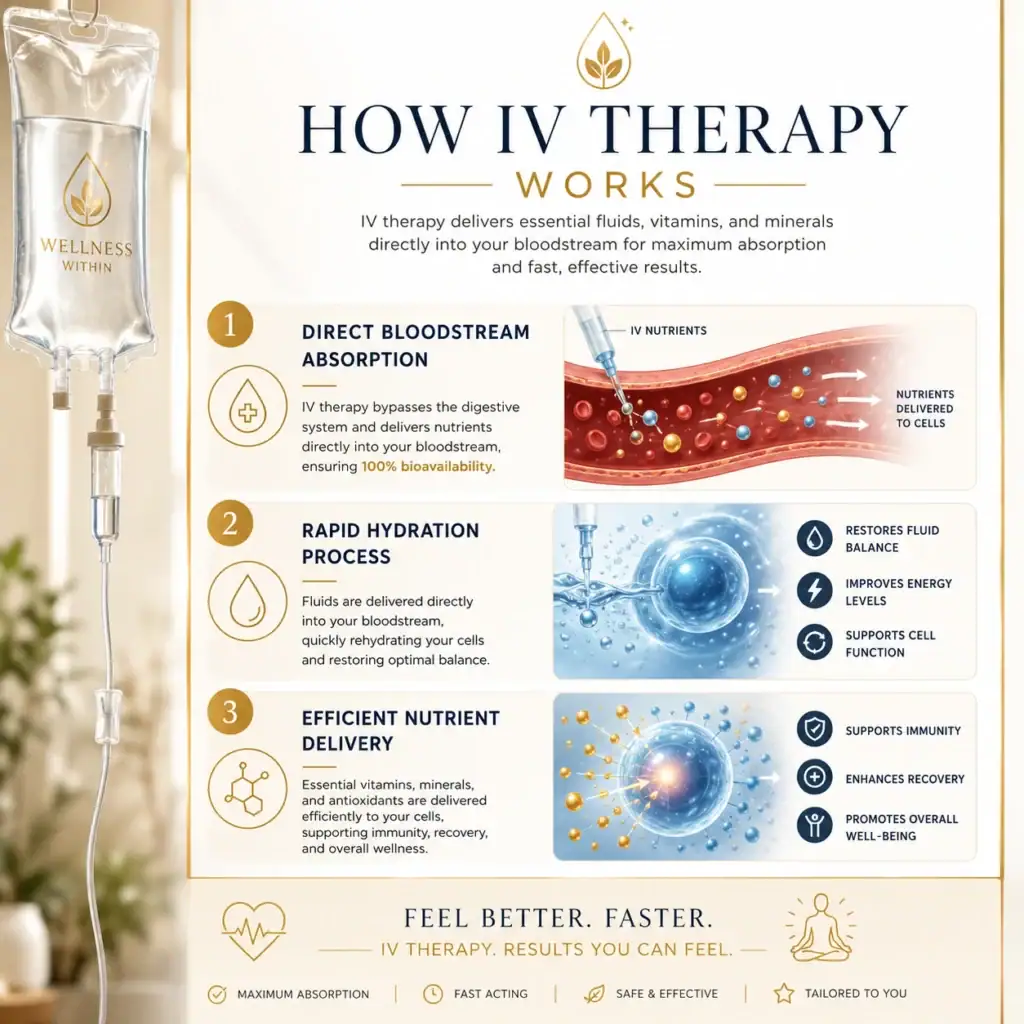
Evidence-Based Medical Applications of IV Therapy
In hospital settings, iv treatment remains one of the most effective methods for managing dehydration, nutrient deficiencies, and medication delivery.
Medically Necessary Uses: When IV Therapy Is Essential
One of the most evidence-based uses of IV therapy for dehydration is rapid fluid replacement during illness, heat exhaustion, or recovery after surgery.
IV therapy plays a crucial role in modern medicine, offering immediate, targeted relief where oral methods fall short.
Picture a clinical environment: a patient is recovering from surgery, too weak to drink, or suffering from intense dehydration. IV fluids become not just helpful, but lifesaving.
Common medically-justified IV therapy scenarios include:
- Moderate to severe dehydration due to illness, heat, or surgery—IV fluids restore balance swiftly when drinking isn’t enough.
- Documented nutritional deficiencies or absorption issues—patients with gastrointestinal disease, cancer treatments, celiac disease, or after bariatric surgery benefit from direct nutrient delivery.
- Complex medication delivery—intravenous infusion is the method of choice for chemotherapy, certain antibiotics, or biologic drugs targeting autoimmune illnesses.
- Targeted vitamin therapies—for example, IV thiamine for alcohol-related deficiencies, iron for anemia, magnesium for arrhythmias, or vitamin K for specific clotting needs.
“IV therapy is not a wellness luxury in these cases—it’s essential medical care.”
Clinical Outcomes and Patient Populations: The Evidence and the Experience
Research consistently finds that IV therapy saves lives and improves recovery when medically indicated. For example, IV fluids rapidly correct dehydration so severe that oral intake is impossible—restoring clarity and strength within minutes.
In these settings, the human touch matters:
- Multidisciplinary medical teams—physicians, nurses, pharmacists—oversee every aspect, from ingredient selection to careful dosage.
- Strict safety and hygiene protocols are always followed—sterile technique, regular monitoring, and constant adjustment to individual need.
- Each session is personalized, taking into account unique medical history, allergies, and current medications.
Clients can expect a setting that combines clinical precision with comfort: think clean lines, calm lighting, and reassuring guidance by experts every step of the way.
“Professional oversight, transparent protocols, and meticulous client care are non-negotiable in true medical IV therapy.”
Takeaway: The Power of Purposeful IV Treatment
For those facing serious illness or special medical needs, IV therapy is science-based, results-driven care.
Luxury clinics like Forouz Beauty hold these principles to the highest standard—ensuring every treatment is grounded in evidence, safety, and respect for your wellbeing.
“True confidence and recovery begin with quality medical care and skilled, trusted hands.”
If you’re considering IV therapy, clarity on why you need it transforms an experience from trend to necessity. Always ensure you’re in the care of qualified professionals dedicated to your health, comfort, and radiant recovery.
IV Therapy in the Wellness Context: Promises and Evidence
Antioxidant-focused treatments featuring iv therapy glutathione are commonly marketed for skin brightness and detox wellness support.
Searches for iv vitamin therapy near me have increased as wellness clinics promote hydration and vitamin infusion experiences for busy lifestyles.
Most Commonly Marketed Benefits
Walk into any luxury wellness clinic or IV lounge in the GTA and you’ll see IV therapy presented as the gold standard for an instant, sophisticated boost.
What are the most advertised benefits?
- Rapid hydration and electrolyte reset
- Enhanced energy, rejuvenation, and clear mental focus
- Immune “boosts” and illness prevention
- Relief from athletic exertion, hangovers, or jet lag
- Visible skin radiance, anti-aging effects, and “glow”
- “Detoxification” using glutathione or vitamin C blends
Picture this: A serene, mineral-toned room, a sleek IV bag, and a sense of tailored, clinical luxury—these are the details that shape the modern IV therapy experience.
“Experience hydration and radiance, delivered with calm precision.”
Review of Scientific Evidence
Despite the glamorous claims, robust scientific support for wellness IVs is limited for healthy individuals.
Major academic centers and healthcare organizations emphasize that:
- Most efficacy claims—energy, immunity, or anti-aging—are grounded more in marketing than in medical evidence.
- Controlled studies of popular “cocktails” like the Myers’ cocktail found improvements often matched by placebo saline drips, revealing a powerful placebo effect rather than a unique IV benefit.
- Small trials on high-dose vitamin C or glutathione “detox” blends suggest these are not proven to enhance health or visibly rejuvenate skin in otherwise healthy clients.
Data highlight: The vast majority of healthy adults achieve similar wellness benefits—hydration, nutrient balance, recovery—through safe oral hydration and good nutrition.
“For most, the main difference is the price tag and the luxury setting—not the clinical outcome.”
Real World Experience in Professional Luxury Clinics
At refined GTA beauty clinics, the IV experience is elevated through:
- Clinical hygiene standards and skilled nurse administration
- Careful client consultation and ingredient transparency
- A consultation-first approach, ensuring every drip is tailored to personal goals and health status
Clients report sensations of:
- Subtle energy and mood improvement
- A sense of luxury, relaxation, and attentive care
- Temporary skin brightness and a refreshed aesthetic
It’s the environment—professionalism, comfort, and empowerment—that defines the luxury IV experience, not just the vitamin blend.
“The true artistry lies in personalized service, not miracle claims.”
In summary, IV therapy in the wellness arena offers a carefully crafted experience and short-lived sensations of vitality. The real value lies in the quality of care and environment—not in evidence of dramatic, lasting wellness transformation. Choose IV wellness drips for a moment of pampering and personalized attention, with clear-eyed expectations about results.
Risks, Safety, and Quality Considerations
Specialized treatments like iv ozone therapy should only be administered by trained professionals following strict clinical safety protocols.
Potential Complications
IV therapy, even in a luxury clinic, is a medical procedure—not a spa treatment.
Clients should be aware of the main risks associated with this service:
- Infection, phlebitis, or bruising: These are the most common issues at IV insertion sites
- Air embolism or fluid overload: Rare but serious, especially for anyone with hidden heart or kidney conditions
- Vitamin or mineral toxicity: Too much vitamin A, B6, or trace minerals can cause side effects ranging from mild nausea to organ damage if administered in excess
- Drug interactions: Some drips include medications (like anti-nausea or anti-inflammatory agents) that can interact with your regular prescriptions
Picture this: You’re relaxing in a serene, cream-and-gold treatment suite, but behind the scenes, every drop and dose is overseen for precision—because safety is the foundation of true confidence.
“Luxury wellness is only meaningful when it’s built on trust and client safety.”
Populations Requiring Extra Caution
Some clients face heightened risk with IV therapy. Medical experts recommend increased caution if you have:
- Heart disease
- Kidney disease
- Uncontrolled blood pressure
- Are pregnant
- Take multiple daily medications (polypharmacy)
Before any IV session, clinics should conduct:
- Medical history screening
- Allergy and medication reviews
- Blood pressure and vital signs checks
The gold standard: A licensed medical professional evaluates every client before treatment begins.
“The best clinics never compromise when it comes to your health history or comfort—luxury means meticulous care at every step.”
Quality Assurance in Luxury Clinics
Some healthcare professionals pursue iv therapy certification for lpn programs to expand their expertise in hydration and infusion services.
Not all IV lounges or wellness clinics are held to equal standards.
- Medical IVs (for dehydration, severe deficiencies, illness) follow strict regulatory oversight
- Wellness drips (like vitamins for “energy” or “anti-aging”) have lighter regulation
Here’s what separates a true luxury clinic:
- Fully trained staff and highly experienced providers
- Immaculate hygiene procedures and single-use equipment
- Transparent ingredient sourcing and detailed protocol compliance
- Clear, honest communication about what every ingredient does, and what realistic results to expect
At Forouz Beauty, client safety and clinical excellence are non-negotiable values. Relax in a refined, charcoal-gray and gold-accented space—every detail reflects our dedication to hygiene and your peace of mind.
“Beauty rituals should feel as safe as they are luxurious—trust is the ultimate ingredient.”
—
Every IV therapy session should put your well-being and confidence first. Look for meticulous provider standards, clear communication, and unwavering attention to safety—so every treatment is both beautiful and trusted.
The Value Equation: Cost, Benefit, and Informed Decision-Making
Understanding iv therapy cost helps clients compare luxury wellness treatments with traditional hydration and nutritional alternatives.
Understanding the Financial Commitment
IV therapy at professional wellness clinics typically costs $150–$1,000 per session.
This price varies based on location, blend, and the clinic’s standard of care.
Forouz Beauty offers a luxury experience in a clinically pristine, serene setting—think soft gold fixtures, calming neutrals, and discreet professional service—but the investment remains substantial.
Clients often ask:
“What am I truly getting for my financial commitment?”
Results like immediate hydration or a temporary sense of rejuvenation are possible within ninety minutes or less.
However, for healthy adults, oral hydration or quality vitamin supplements can often deliver similar effects with less expense and zero procedural risk.
Weighing Benefits Versus Alternatives
Picture this: you’re choosing between a premium IV drip and an elegant glass of mineral water paired with a nutrient-dense meal.
Expert panels from top medical centers regularly note:
- IV therapy is medically essential when you have severe dehydration, malabsorption, or require certain prescription infusions.
- For those in general good health, benefits of wellness IVs may be largely subjective—boosted energy or “radiance” is often reported but not consistently backed by clinical evidence.
- Most wellness drips are not substitutes for lifestyle upgrades (diet, sleep, stress management), which are widely proven to support long-term beauty and wellness.
Key takeaway for discerning clients:
- Oral hydration and quality nutrition: Comparable benefits at lower cost and minimal risk
- Elective IV therapy: Best viewed as a luxury self-care experience, not a core health strategy
Informed, Empowered Choices
“An informed decision is always beautiful.”
Before booking, always weigh:
- What are your real goals—recovery, glow, energy?
- Are there simpler, safer, more accessible alternatives?
- Does the clinic offer medical oversight, ingredient transparency, and personalized care?
Professional clinics like Forouz Beauty elevate IV therapy—elegance, safety, and individualized care are at the core of every session.
The most rewarding outcomes come from aligning treatment choices with your unique health, beauty, and lifestyle vision.
Let your investment reflect your confidence and commitment to both wellness and wisdom.
Personalization and Professional Guidance: Choosing IV Therapy Responsibly
Advanced providers often complete specialized iv therapy course training to improve patient safety and infusion best practices.
Setting Personal Goals and Expectations
Every IV therapy journey starts by defining your true objectives—are you seeking improved hydration, radiant skin, or a subtle boost in energy?
Picture this: You’re considering IV therapy for a midweek pick-me-up. The best results come when your desires are clearly mapped to realistic, medically-sound outcomes.
Ask yourself:
- What changes am I hoping to see after my session?
- Am I hoping for a dramatic transformation, or gentle enhancement?
Keep in mind: Many of IV therapy’s wellness claims—like “immune boosts” or dramatic anti-aging effects—are based more in marketing than robust science. The real-world benefits may be subtle and temporary, especially for otherwise healthy individuals.
“Think of IV therapy as a gentle refresh, not a magic wand. Your natural beauty deserves honesty, not empty promises.”
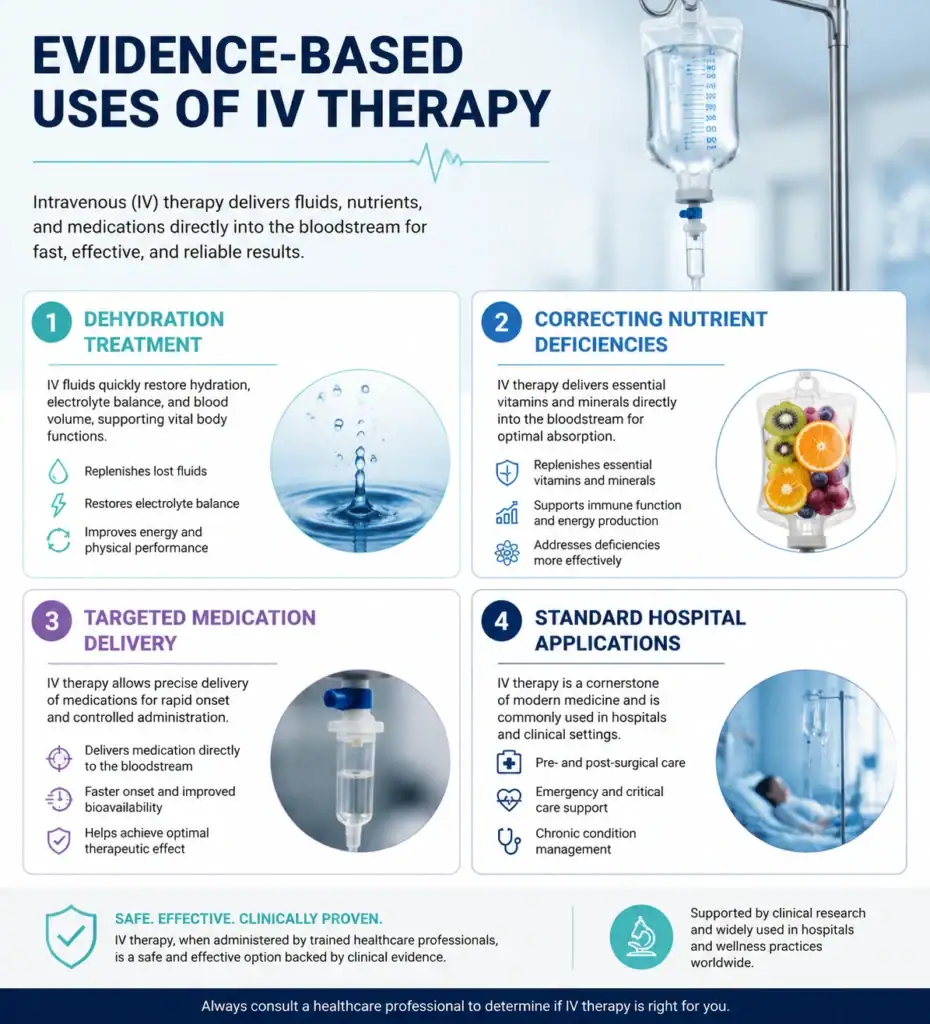
Consultation and Provider Vetting
Clients researching iv therapy nyc or GTA wellness clinics should prioritize licensed providers and transparent treatment standards.
A luxury experience is built on trust, safety, and expert care.
Before your first drip, a reputable clinic will ensure:
- You complete a full health screening and discuss your medical history
- You receive clear, informed consent with details on risks, expected outcomes, and ingredients
- A licensed medical provider oversees or delivers every session
Ask clinics to share:
- Provider credentials and advanced training
- Hygiene protocols and ingredient sourcing
- Transparent pricing, which in the GTA often ranges from $150 to $1,000 per session
Forouz Beauty elevates care with private consultation suites, gentle touch, and a calming, elegant atmosphere—ensuring every moment feels safe, seamless, and centered on you.
“Beautiful results begin with beautiful safety standards.”
—
Integrating IV Therapy With Comprehensive Beauty and Wellness
True luxury wellness means blending IV therapy into your larger self-care mosaic—not using it as a shortcut.
Consider:
- IV drips should support, never replace: nutrition, movement, sleep, and medical care
- Frequent craving for IV “boosts” can signal deeper needs—consider discussing with your healthcare provider
- A trusted clinic encourages regular check-ins and open dialogue to make sure your beauty journey stays balanced
Imagine yourself post-treatment: radiant, refreshed, still focused on a lifestyle that uplifts from within.
“Empowered beauty is about informed choices—with every drip, every glow, uniquely yours.”
—
Choosing IV therapy responsibly means balancing your wellness goals with honest expectations, expert guidance, and a commitment to holistic self-care. You deserve beauty experiences that feel as trustworthy as they look and leave you confident, cared for, and always in control.
Final Thoughts on IV Therapy
Choosing IV therapy is more than following a trend—it’s about aligning your pursuit of beauty and wellness with trust, safety, and personalized luxury. When approached with clarity and care, IV therapy can become part of a holistic approach that elevates both your confidence and natural glow.
The greatest value lies not in promises of instant transformation, but in the calm professionalism and attention to detail you experience with every session. Empowered choices are your most timeless accessory.
—
Key Takeaways:
- Prioritize clinics with expert medical oversight, transparent protocols, and a commitment to safety—luxury only matters when you trust the process.
- Evaluate your true wellness goals and set honest, achievable expectations for each IV session.
- Look for a thorough health screening and informed consultation—never settle for less than meticulous, individualized care.
- Remember that true radiance begins with consistent lifestyle investments: balanced nutrition, hydration, sleep, and expert guidance.
- Embrace IV therapy as a supportive ritual, not a cure-all—integrate it thoughtfully into your larger self-care routine.
—
Next Steps:
- Research trusted providers and schedule a personalized consultation to discuss your health history and wellness vision.
- Ask about ingredient sourcing, provider credentials, and safety standards before booking.
- Reflect on what you want to achieve—energy, hydration, skin brightness—and ensure your choices support your overall wellbeing.
- Stay curious and informed—consider regular check-ins with both aesthetic and medical professionals for ongoing confidence.
—
Your beauty journey deserves both elegance and integrity. When you choose experiences grounded in safety and individualized care, you’ll discover that your most radiant results are built on trust.
“Luxury is not just how you look—it’s how you’re cared for. Let every treatment be a reflection of the confidence and beauty that are uniquely yours.”
Educational resources like Mayo Clinic’s IV hydration information help patients understand the medical uses, safety considerations, and benefits associated with IV therapy treatments.
FAQs
What is IV therapy?
IV therapy is a treatment that delivers fluids, vitamins, minerals, or medications directly into the bloodstream through an intravenous infusion.
What are the benefits of IV therapy?
IV therapy may help support hydration, nutrient absorption, recovery, electrolyte balance, and temporary energy improvement.
Is IV therapy safe?
IV therapy is generally safe when administered by trained medical professionals using sterile equipment and proper screening procedures.
How long does IV therapy take?
Most IV therapy sessions last between 30 and 90 minutes depending on the treatment type and hydration goals.
How much does IV therapy cost?
IV therapy cost typically ranges from $150 to $1,000 based on ingredients, clinic location, and treatment complexity.
Top Types of Facial Fillers for Natural Facial Rejuvenation
Top Types of Facial Fillers for Natural Facial Rejuvenation
Discover the essentials of facial filler injections for natural, radiant rejuvenation—delivered with luxury care and client-centered expertise. Understanding the different types of facial fillers available today helps you make informed decisions about facial rejuvenation, volume restoration, and natural-looking enhancement tailored to your unique beauty goals.
These core insights reveal how Forouz Beauty approaches every treatment with precision, trust, and a commitment to timeless beauty tailored uniquely for you.
- Personalized Consultations are Essential—A detailed, client-focused assessment ensures filler choices and techniques are matched to your unique facial features, goals, and lifestyle.
- FDA-Approved, Premium Fillers Only—Forouz Beauty uses exclusively Health Canada- and FDA-approved products like Juvederm, Restylane, Radiesse, Sculptra, and Bellafill for safety, quality, and peace of mind.
- Hyaluronic Acid (HA) Fillers Offer Versatility—Favored for lips, cheeks, and fine lines, HA fillers are reversible, hydrating, and last 6–18 months, making them ideal for natural enhancements and first-time clients.
- Longer-Lasting Options Boost Collagen—Choose CaHA or PLLA fillers for deeper wrinkles and structural support, enjoying results that last from 9 months to 2+ years and encourage your own collagen production for smoother, firmer skin.
- PMMA and Fat Grafting Deliver Lasting Change—PMMA (Bellafill) and autologous fat transfers offer long-duration—up to 5+ years or permanent—results, ideal for those seeking robust correction or comprehensive volume restoration.
- Artisanal Application Minimizes Downtime—Advanced, gentle techniques mean most clients return to daily routines within 1–3 days, with luxury aftercare and proactive, ongoing support to ensure comfort and confidence.
- Maintenance is Simple and Predictable—Annual touch-ups for HA fillers, careful sun protection, hydration, and routine follow-ups keep your rejuvenation seamless and enduring.
- Luxury Experience built on Trust and Empowerment—Every client journey at Forouz Beauty reflects unwavering safety, transparency, and empowerment, elevating your natural glow while prioritizing your comfort at every stage.
Elevate your confidence and beauty journey—review the full article to make informed, empowered choices and experience timeless results with the trusted experts at Forouz Beauty.
Introduction to Types of Facial Fillers
Picture yourself glancing in the mirror and noticing not just a new wrinkle, but a subtle loss of fullness—a quiet change that feels anything but minor. You’re not alone: over 2.6 million Canadians choose cosmetic injectables each year, seeking gentle, natural-looking rejuvenation that preserves their unique beauty.
Understanding the different types of facial fillers available today can help you choose the most effective treatment for natural, elegant rejuvenation.
With so many options—from the dewy softness of hyaluronic acid (HA) to the sculpting power of collagen-stimulating injections—the path to refreshed, timeless skin can feel overwhelming. Yet every client desires the same core assurances: results that are natural, safe, and personalized down to every detail.
A beautiful outcome isn’t just about product—it’s about trust, expert care, and choices that are tailor-made for you. Imagine a treatment experience that centers on:
- Clinical excellence within a serene, luxury environment
- Fillers selected to harmonize with your facial features—not change them
- Guidance that supports every step, from first consultation to follow-up
Today’s most trusted filler options offer the power to restore youthful contours, soften lines, and elevate your natural glow—often in under an hour, with little downtime and plenty of reassurance.
You’ll discover:
- The science and artistry behind each major filler type
- Key safety standards and the luxury of professional care
- How personalized planning ensures results you’ll love
- What to expect—comfort, longevity, and a radiant, authentic finish
If you’re searching for confidence that grows with you—and care that always honors your natural beauty—this guide is designed for you.
Let’s uncover how modern fillers can revive not just your look, but your sense of self—beginning with the essential science of facial rejuvenation.

Understanding Types of Facial Fillers: Science, Safety, and Natural Enhancement
Dermal fillers are specialized gels injected below the skin to restore youthful contours, volume, and smoothness—all without surgery. These fillers work in harmony with your natural features, supporting and lifting areas affected by time or environmental stresses.
Modern types of dermal fillers are designed to restore volume, smooth wrinkles, and enhance facial harmony with minimal downtime.
The Science: Restoring What Time Takes Away
Key filler ingredients like Hyaluronic Acid (HA), Calcium Hydroxylapatite (CaHA), Poly-L-lactic Acid (PLLA), and Polymethyl-methacrylate (PMMA) mimic or stimulate the body’s natural substances.
- Hyaluronic Acid attracts and retains water, creating supple, hydrated skin
- CaHA and PLLA stimulate new collagen, rebuilding internal support
- PMMA provides a sturdy scaffolding within the skin for long-lasting smoothness
“Picture this: A gentle artist’s hand restoring an elegant, naturally full cheekbone—subtle, seamless, and effortlessly beautiful.”
Safety, Hygiene, and Luxury Care
Clinical expertise and safety are at the heart of every beautiful outcome. At Forouz Beauty, only FDA- and Health Canada-approved fillers are used—ensuring premium quality and peace of mind.
Your comfort and safety are safeguarded by:
- Rigorous hygiene protocols in a pristine, tranquil setting
- Detailed, client-focused consultations for tailored treatment plans
- Use of advanced, minimally invasive injection techniques to minimize discomfort and reduce downtime
Different types of dermal filler injections are selected based on facial anatomy, skin quality, and desired longevity.
“True beauty emerges from expert care and trust—never guesswork.”
Natural Results, Not Overdone
Our belief: Natural enhancement always prevails over artificial effects.
This means:
- Filler selection and placement are customized for harmony, not exaggeration
- Emphasis on subtle, soft corrections to preserve your authentic features
- Most treatments take about 30-60 minutes; mild swelling or redness is possible, but downtime is often minimal
Most HA fillers are reversible with hyaluronidase, offering peace of mind if you want to adjust or undo results—“refinement without commitment.”
Reversibility, Adjustability, and What to Expect
Today’s fillers offer versatile, adjustable results. For those cautious about “permanence,” HA fillers can be gently dissolved, ensuring control and flexibility.
Clients typically experience:
- A quick session in a calm, welcoming environment
- Personalized enhancements that settle naturally within days
- Follow-up guidance for comfort and confidence from start to finish
Clients choose Forouz Beauty to “elevate their natural glow”—through transparent care, clinical excellence, and treatments designed to empower.
Dermal fillers blend science, artistry, and safety—delivering natural, radiant results with minimal downtime and the reassurance of medical precision.
The Most Trusted Types of Facial Fillers: Deep Dive into Leading Options
Today’s leading types of cosmetic fillers include hyaluronic acid, calcium hydroxylapatite, PLLA, PMMA, and autologous fat grafting.
Hyaluronic Acid (HA) Fillers: The Gold Standard in Versatility and Natural Results
Hyaluronic acid (HA) fillers are celebrated for their ability to seamlessly blend with your skin, mirroring its natural hydrating properties.
Brands like Juvederm, Restylane, Belotero, and RHA deliver consistent, natural-looking results with an impressive safety record.
Picture this: fuller lips, refreshed under-eye hollows, or a gentle cheek lift that instantly elevates your appearance—and can be reversed if you wish.
Most HA fillers are used for:
Hyaluronic acid products remain among the most popular types of dermal fillers for lips because of their soft texture and reversible nature.
- Cheeks
- Lips
- Under-eyes
- Nasolabial folds
- Marionette lines
- Jawline
- Fine lines
Unique benefits include:
- Hydration boost and soft texture
- Flexibility
- Reversibility using hyaluronidase
Duration typically ranges from 6 to 18 months, with the ability to tailor treatments for subtle or dramatic enhancement.
“HA fillers create the kind of natural freshness people notice—without ever revealing your secret.”
Calcium Hydroxylapatite (CaHA) Fillers: Lifting and Collagen Stimulation for Advanced Support
Radiesse, the premier CaHA filler, uses tiny calcium microspheres to instantly sculpt and lift while also encouraging your body to form new collagen for long-term structure.
Best for:
- Deeper wrinkles
- Cheek support
- Facial contouring
- Jawline definition
- Addressing volume loss
Distinctive advantages:
- Immediate, firmer volume
- Dual benefit: lift now, rebuild collagen for the future
Results typically last 9 to 15 months.
“Experience lift and structure now while building your skin’s own firmness over time.”

Poly-L-lactic Acid (PLLA) Fillers: Gradual, Biological Volume Restoration
Sculptra stands out by working with your body to restore lost facial volume gradually and encourage ongoing collagen production.
Most commonly recommended for:
- Generalized volume loss
- Age-related hollowing
- Larger areas needing subtle, cohesive rejuvenation
Plan for 2-3 sessions, spaced over several months—with volume improvements emerging slowly and naturally over 2+ years.
“Change unfolds as your collagen grows—leaving you with a refreshed, authentic glow.”
Polymethyl-Methacrylate (PMMA) Fillers: Durable Correction for Lasting Confidence
Bellafill uses PMMA microspheres suspended in collagen gel, providing architectural support for wrinkles, folds, and even acne scars.
Ideal for:
- Medium-to-deep wrinkles
- Nasolabial folds
- Acne scars
- Some lip enhancements
Notable qualities:
- Results endure up to 5+ years
- Minimal maintenance
Bellafill is not reversible, emphasizing the value of expert consultation and precise technique.
“Trust in artistry—PMMA is the choice for confidence that truly lasts.”
Autologous Fat Grafting: Natural Volume Using Your Own Body’s Resources
Fat grafting removes, purifies, and reinjects your own fat (often from the abdomen or thighs) to achieve facial rejuvenation.
Recommended for:
- Broad facial volume restoration
- Contouring midface and temples
- Long-term, highly natural-looking enhancement
Advantages:
- Full biocompatibility
- Potential for permanent volume
- Comprehensive sculpting tailored just for you
“Imagine seeing your own features softly renewed—by your body, for your beauty.”
Selecting from these advanced filler options ensures natural elegance and personalized confidence, tailored precisely to your vision of timeless beauty. Let your next chapter in self-renewal begin with a trusted, professional approach.
Key Factors in Choosing the Right Filler for Your Unique Features and Goals
Choosing among different types of facial fillers requires a personalized approach that considers your facial anatomy, aesthetic goals, skin quality, and desired level of natural-looking enhancement.
Personalized Consultation: Collaborating Toward Individual Beauty
Every face tells a unique story, which is why a thorough consultation is the first step toward beautiful, natural-looking results.
This means your provider will:
- Assess your facial anatomy, skin texture, age, and lifestyle
- Identify concerns like volume loss, wrinkle depth, or contour imbalances
- Use high-resolution photographs and digital imaging to visualize potential changes
Picture this: You’re seated in a serene, softly lit clinic, reviewing before-and-after photos tailored to your goals. Here, your desires guide the plan—whether it’s natural lip fullness or a subtle cheek lift.
Expect collaborative treatment planning that:
- Puts your preferences and comfort first
- Matches filler types and techniques for results as individual as your features
The best type of face filler depends on your treatment goals, facial structure, lifestyle, and desired level of enhancement.
“Each client is a canvas; the artistry lies in enhancing, never erasing, what makes you beautifully you.”
Decision Matrix: Area-by-Area Recommendations
Choosing the right filler depends not just on product, but on where and how it’s used.
Experienced providers carefully choose the most suitable types of dermal fillers for face rejuvenation to ensure balanced, natural-looking results.
Leading clinics provide precise, personalized recommendations for each facial zone:
- Lips & fine lines: Hyaluronic acid (HA) fillers for softness and shape
- Cheeks & midface volume: HA, calcium hydroxylapatite (CaHA), or autologous fat grafting for lift
- Lower face/jawline contouring: CaHA, HA, or fat for enhanced definition
- Deep wrinkles & folds: CaHA or polymethyl-methacrylate (PMMA) for robust structural support
- Generalized volume loss: Poly-L-lactic acid (PLLA) or fat transfer for natural restoration
Top clinics embrace a stepwise, conservative approach—prioritizing subtle, gradual enhancement over aggressive correction.
Your provider will also consider:
- Gender and age, to respect masculine or feminine ideals
- Skin type and ethnicity, for bespoke, safe artistry
- The proven trend: Combining multiple filler types often yields the most harmonious, “full-face” results
“Precision isn’t about perfection—it’s about balance and confidence that look effortless.”
Setting Expectations for Comfort and Lasting Results
Safety and experience matter as much as product choice. Downtime typically lasts 1-3 days for most fillers, with discomfort minimal and results appearing almost instantly.
Costs vary: For example, HA fillers in the Toronto area usually range $600–$900 per syringe. Not all fillers are reversible, underscoring the value of careful consultation.
Ultimately, the best results come from:
- Meticulous planning
- Clear communication about maintenance
- Ongoing support from a trusted aesthetic professional
A brief consultation truly sets the stage for results that not only restore your glow, but uplift your confidence—timeless beauty, tailored for you.
Filler Results: Longevity, Maintenance, and Realistic Expectations
Understanding the longevity of different types of facial fillers helps patients choose the most suitable treatment option based on their aesthetic goals, maintenance preferences, and desired duration of natural-looking facial rejuvenation.
Comparative Durability: Understanding How Long Results Last
When investing in facial rejuvenation, knowing how long results will last helps you plan—and feel confident about—your treatment choices.
Each filler type offers a unique timeline:
- Hyaluronic Acid (HA) Fillers: Last 6-18 months depending on brand, area, and individual metabolism.
- Calcium Hydroxylapatite (CaHA): Typically 9-15 months for deeper wrinkles and contouring.
- Poly-L-lactic Acid (PLLA): Results appear gradually and usually persist for 2+ years after a tailored series of treatments.
- Polymethyl-Methacrylate (PMMA): Delivers long-lasting correction—often 5+ years.
- Autologous Fat Grafting: Can offer permanent results, though about 30-50% of transferred fat may resorb naturally.
Key factors influencing duration include your metabolism, lifestyle, facial area, and the specific product used.
“Beautiful results are maintained over time—not rushed in a single visit.”
Maintenance Strategies and Touch-Up Guidance
Most clients appreciate subtle, gradual enhancements over time.
Optimize your filler investment with these strategies:
- Schedule routine touch-ups as recommended—often annually for HA, less often for CaHA, PLLA, or fat transfer.
- Consider a gradual build-up to maintain a natural look.
- Stay proactive: factors like sun protection, hydration, and avoiding smoking help sustain results.
Patient education remains central to our approach—understanding your options creates peace of mind and lasting confidence.
“True beauty is a journey, and luxury care means steady, thoughtful guidance every step of the way.”
Safety and Side Effects: Prioritizing Comfort and Expertise
While most clients experience only mild swelling, slight bruising, or tenderness, advanced skill and medical oversight keep risks extremely low.
Expert clinics prioritize your safety:
- Use sterile technique and in-depth facial assessment for every treatment.
- Employ strict hygiene protocols and FDA-approved products for reassurance.
- Actively inform you about reversible filler options—like HA, which can be dissolved if ever needed.
Rare side effects (such as vascular occlusion or nodules) are minimized with medical expertise and personalized aftercare.
“Choosing a trusted, luxurious clinic is as vital as selecting the right filler; both are investments in your comfort, safety, and timeless beauty.”
Whether you’re seeking subtle restoration or comprehensive rejuvenation, your filler experience should feel elegant, informed, and uniquely yours—every step delivering confidence that lasts.
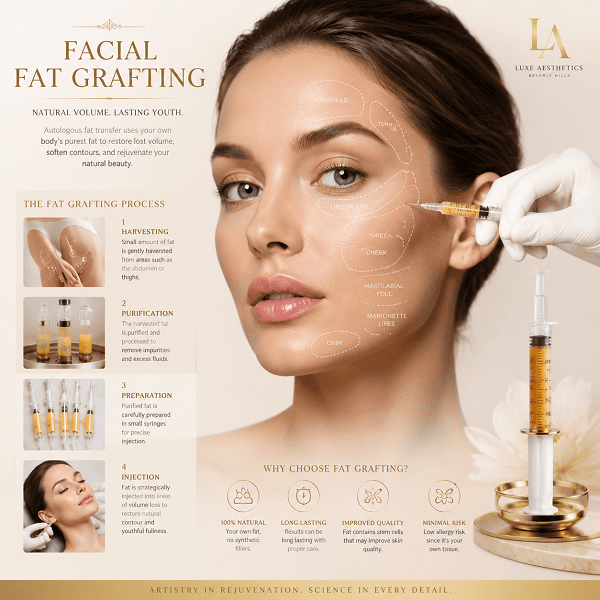
The Luxury Experience: Client Journey at Forouz Beauty
Exploring the right types of facial fillers begins with a personalized consultation designed to align your facial rejuvenation goals with expert guidance, natural enhancement, and a luxury aesthetic experience tailored uniquely to you.
Serenity Begins With Personalized Consultation
Step into Forouz Beauty and the experience is one of immediate calm, trust, and refinement.
Your journey starts with a personalized consultation in a serene, light-filled space—picture soft gold accents, plush cream seating, and a sense of ease from the very first greeting.
Our expert clinicians take time to understand:
- Your unique facial features
- Personal beauty goals and concerns
- Lifestyle, skincare habits, and previous treatments
Every plan is completely tailored—because no two faces, or visions of beauty, are ever the same.
“True luxury is a level of care where every detail is considered—because natural beauty deserves nothing less.”
Artisanal Approach & Impeccable Quality
At every step, our approach is:
- Artisanal and detail-oriented—from product selection to gentle application
- Exclusive use of FDA-approved fillers (Juvederm, Restylane, Radiesse, Sculptra, Bellafill)
- Commitment to clinical excellence, safety, and hygiene protocols
Advanced aesthetic clinics continually evaluate every new type of facial filler to provide safer, longer-lasting, and more natural outcomes.
Clients enjoy a private, unhurried experience—with everything designed around comfort and confidence.
“Your beauty is treated as an art form, elevated by precision and a gentle hand.”
Lasting Partnerships & Ongoing Support
We believe exceptional beauty care is a partnership—not a one-time procedure.
You’ll receive:
- Aftercare guidance tailored for comfortable recovery—minimizing swelling or bruising for most clients
- Scheduled review appointments to track results, answer questions, and adjust treatment as needed
- A continuous philosophy of growth—ensuring you benefit from the latest, safest techniques and products
Our most popular services, such as HA filler lip enhancement or midface contouring with CaHA, typically involve little downtime; most clients return to daily routines within 1-2 days.
“Luxury is measured not just by results, but by the lasting trust and empowerment you feel each visit.”
Forouz Beauty is your sanctuary of expert care and timeless elegance—where discreet artistry, continuous support, and natural, radiant results define every client journey.
Conclusion
Your journey to renewed confidence begins with understanding that facial filler treatments are a blend of medical science and refined artistry—delivering natural, authentic enhancement tailored uniquely to you.
A world of subtle rejuvenation is open to you: personalized, medically guided options make it possible to restore volume, lift contours, and highlight your most radiant features—all without compromising safety, comfort, or your distinct beauty.
—
Empower your decision-making with these essential takeaways:
- Prioritize a thorough, expert-led consultation to ensure your results are uniquely harmonized with your features and goals
- Always choose an established, trusted clinic using only FDA- and Health Canada-approved fillers for peace of mind
- Seek natural, subtle corrections—not drastic changes—for timeless enhancement
- Recognize the importance of ongoing support and maintenance appointments for sustained, beautiful results
- Stay proactive: ask questions, understand reversibility, and plan gradual touch-ups for confidence at every stage
—
Ready for next steps?
- Schedule a professional consultation with a qualified provider to discuss your unique needs
- Prepare any questions about longevity, safety, and aftercare so you feel fully informed
- Visualize the features you wish to accentuate—bring reference photos or inspiration to your appointment
- Connect with a trusted clinic that views your treatment as a partnership, not just a procedure
—
True beauty shines brighter with intention and care.
You deserve to feel empowered—confident that every enhancement brings out your most radiant self. With expert guidance and a commitment to your natural glow, the next chapter of timeless beauty awaits.
“Luxury is not excess; it is the art of celebrating the best in you—gracefully, safely, and always with care.”
FAQs
What are the most popular types of facial fillers?
The most popular types of facial fillers include hyaluronic acid fillers like Juvederm and Restylane, collagen-stimulating fillers such as Radiesse and Sculptra, PMMA fillers like Bellafill, and autologous fat grafting treatments.
Which types of facial fillers last the longest?
Among the different types of facial fillers, PMMA fillers and fat grafting typically provide the longest-lasting results. Hyaluronic acid fillers usually last 6–18 months, while collagen-stimulating fillers can last over two years.
Are types of facial fillers safe?
Modern types of facial fillers are considered safe when administered by qualified professionals using FDA- and Health Canada-approved products. Personalized consultation and proper injection techniques help minimize risks and support natural-looking results.
What is the best type of face filler for natural results?
The best type of face filler depends on your facial anatomy, treatment goals, and desired longevity. Hyaluronic acid fillers are commonly preferred for soft, natural-looking enhancement and reversibility.
What types of dermal fillers are best for lips?
Hyaluronic acid products are among the most recommended types of dermal fillers for lips because they provide softness, hydration, flexibility, and natural volume enhancement.
How do I choose between different types of dermal fillers?
Choosing between different types of dermal fillers depends on the treatment area, skin quality, desired longevity, and whether collagen stimulation or reversibility is important to you. A professional consultation helps determine the best personalized option.
For comprehensive facial rejuvenation, many clients pair dermal fillers with advanced skincare services in Richmond Hill designed to improve collagen support, skin clarity, and overall facial glow while enhancing the longevity of cosmetic injectables.